Tag Archives: victoria falls

Travel Zambia – Top Tourist Attractions in Zambia, Zambia Facts & Best Zambia Travel Information

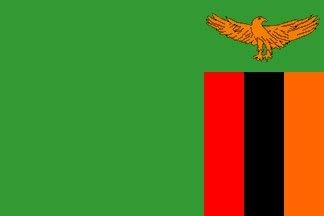
The Zambia Flag
Zambia Population: 17.09 Million (Population Growth 3%) – 2017
Zambia Capital: Lusaka
Zambia GDP: US$25.8 Billion (2017)
Zambia Currency: Kwacha (US$1 = ZMW15.28 (As at 08.03.20) (USD Preferred)
Zambia Time Zone: CAT (GMT+2)
Zambia Driving Side: Left
Zambia Calling Code: +260 –
Language: English

Zambia, with a mostly mild subtropical climate, is regarded as one of the pearls of Africa. Its a country with a natural friendliness that always welcomes tourists.

Zambia is located on a high plateau, with the lowest point above sea level being the Zambezi River to the south, at 329 meters. The highest point is the sandstone Mafinga Hills in the Northeastern part of the country at 2,339 meters.  In between are a myriad of tourist attractions.

A SHORT-COMPREHENSIVE GUIDE TO TRAVEL ZAMBIA

Where is Zambia?

Zambia is a landlocked country in the middle of Central and Southern Africa. Zambia shares borders with no less than eight countries: Mozambique (East), Malawi and Tanzania (North and East), the DRC (North-West), Angola, and Namibia (Westwards) and Zimbabwe and Botswana to the South. Zambia’s capital city is Lusaka, with a bustling international airport.

5 Interesting Facts of Zambia

  • Zambia has unique borders with eight countries. That is the second most in Africa. Only the DRC has more with nine.

  • When you think of Zambia, the Victoria Falls springs to mind, but the country has another 17 spectacular waterfalls.
  • Zambians, with the help of international pressure, negotiated a bloodless independence gained on 24 October 1964, a unique occurrence in Africa in the sixties.

  • Zambia is home to the ‘Inzwa,’ the flying termites which provide spectacular displays during rainfalls. Other termite species built enormous mounds, some of the biggest in Africa.

  • Zambia has abundant copper reserves (70% of Africa’s reserves), which is their main export product. Zambian copper exports equal to US $6.8 million of Zambia’s income and form some 75% of the country’s export.

Visa for Zambia

It is advisable to get a visa BEFORE traveling to Zambia. Visas are available from Zambian missions overseas, or you may apply online at the following web address: https://eservices.zambiaimmigration.gov.zm/#/app/services/Visa

Processing time: 3 to 5 working days

Visa for Zambia – Exempt Countries

Validity: Visitors who hold ordinary, valid passports and originate from any of the below-listed countries can enter Zambia without a visa. Your passport will need to have at least two blank pages.

Anguilla Antigua and Barbuda Bahamas Barbados Belize Bermuda Botswana Cayman Islands Channel Islands Cyprus Dominica Dominican Republic El Salvador Falkland Islands Federated States of Micronesia Fiji French Guiana Gibraltar Grenada Guadeloupe Ireland Isle of man Jamaica Kenya Kiribati Lesotho Malawi Malaysia Maldives Malta Marshall Islands Martinique Mauritius MayotteMontenegro Montserrat Mozambique Namibia Nauru Niue Norfolk Island Palau Pitcairn Islands Reunion Romania Ross Dependency Saint Helena Saint Kitts and Nevis Saint Lucia Saint Vincent and Grenadines Samoa Seychelles Singapore Solomon Islands South Africa Suriname Swaziland Tanzania Tokelau Tonga Trinidad and Tobago Turks and Caicos Island Tuvalu Uganda Vanuatu Virgin Islands Zimbabwe

Visa for Zambia – Validity & Cost

Validity:

  • Single visas are valid for 90 Days.
  • Double and multiple visit visas are also valid for 90 days.
    (The exception is for USA citizens who will enjoy validity of 3 years.)

Cost:

  • Single and transit visas: US $50 (Transit visas are only applicable to land transits.)
  • Double and multiple visas: US $80
  • Day Trippers: US $20 (For Victoria Falls visitors, residing in Zimbabwe, etc.)
  • KAZA Uni-Visa: US $50 (Details below)

Visa for Zambia – Visit Visa Prior To Arrival

Tourists from the following countries will require a visa PRIOR to arrival:

Afghanistan Albania Algeria Armenia Azerbaijan Bahrain Bangladesh Benin Bulgaria Burkina Faso Cameroon Central African Republic Chad China Côte d’Ivoire Egypt Equatorial Guinea Ethiopia Gabon Gambia Guinea Guinea-Bissau India Indonesia Iran Iraq Jordan Kosovo Kuwait KyrgyzstanLebanon Liberia Libya Mali Mauritania Morocco Nepal Niger Nigeria North Korea Oman Pakistan Papua New Guinea Philippines Qatar Saudi Arabia Senegal Sierra Leone Somalia South Sudan Sri Lanka Syria Taiwan Tajikistan Timor-Leste Togo Tunisia Turkmenistan Uzbekistan Yemen
Countries to apply for vis

Zambia Entry Points

The main entry points into Zambia are:

  • Lusaka, with its large international airport, is the main entry point for inland tourists.
  • Tourists that intent to visit the Victoria Falls only, are advised to take a direct flight to Livingstone 470 km to the south, to avoid daily Lusaka traffic congestion.
  • Victoria Falls Bridge – Applicable to day-trippers that want see both sides of the Victoria Falls.

Visa for Zambia – African Passport Holders

The government of Zambia is said to soon introduce a ‘Visa on Arrival’ to all African passport holders. African passports will be issued to citizens of most of the 55 African countries on the African continent. The need for Africans to obtain a visa will be phased out. This initiative is similar to the European Union and was first launched on 17 July 2016 in Kigali, Rwanda.

Visa for Zambia – The New KAZA UNIVISA

Launched on 28 November 2014, the KAZA UNIVISA is a tourist visa that allows tourists to visit both Zambia and Zimbabwe with one visa, multiple-entry. The cost of the KAZA UNIVISA costs $50 and covers entry for the famous Okavango Zambezi Transfrontier Conservation Area (KAZA TFCA) that covers 5 African countries, Angola, Botswana, Namibia, Zambia, and Zimbabwe. Apply for your KAZA UNIVISA online.

Read More (https://www.zambiaimmigration.gov.zm/kaza-univisa/)

The Capital of Zambia

Lusaka is the capital city of Zambia. The capital city is located in the center of the southern part of Zambia. Lusaka is regarded as a modern, fast-growing city. It is alive with ever-increasing modern shopping malls of South African and European origin and ongoing building projects.

Crime is minimal, but petty theft does occur. The city’s growth attracts people from all over the country. But rest assured, most of them are friendly and are trying to make an honest living by selling their wares on the streets and public markets. The lousy thing probably is that there is no influx control and that the roads and municipal facilities are hardly adequate for a large number of inhabitants. There are no official bus services, but a range of minibus taxis, wrecks, and good dial-up taxis are available from the airport. To avoid getting lost, obtain a city map at the airport before attempting sightseeing with a guide, or travel with your tour guide!

Zambia Population

Zambia has a population estimated at 18.3 million (2020) based on earlier census’s and is ranked at number 65 on the World Population Bank Rankings.

A Short History of Zambia

The first westerner to set foot in what is now called Zambia was the well-known explorer David Livingstone in 1851. He was the first man to see the ‘Mosi-oa-Tunya’ or the later named Victoria Falls and had the town of Livingstone named after him. Cecil Rhodes obtained mining concessions as far back as in 1888, but it only became a British protectorate in 1924.

Lusaka became the capital city in 1935. In 1953 the Central African Federation was formed consisting of Northern and Southern Rhodesia (Zimbabwe) along with Nyasaland (Botswana). Negotiations for independence was completed in 1963. The Republic of Zambia was formed on 24 October 1964 with Kenneth Kaunda as the first President. Today Zambia is a stable country that welcomes tourists from all over the world.

The Best Time to Travel Zambia

The best time to travel Zambia is during the dry months from June to November when it is the best time for game watching. March is a great time for birdwatching, and May probably the best time to visit the Victoria Falls.

How to Travel to Zambia

Tourists can fly directly to the Kenneth Kaunda Airport in Lusaka, Zambia. Lusaka is linked to all major African continental entry points such as Addis Ababa in Ethiopia, Nairobi in Kenya, and Johannesburg, South Africa. Most of the world’s major airlines have flights or link-ups to these airports regularly. Most African airways have flights directly to Livingstone for those tourists who are only on their way to the Victoria Falls.

Is Zambia Safe to Travel?

Zambia, in general, is a safe place to travel, but like any other tourist destination, being a tourist makes you a target for opportunists.

How To Stay Safe While You Travel In Zambia:

  • Travel with a tour guide or a recommended guide. Safety is in numbers.
  • Like most of Southern Africa, load shedding is a part of life. Most tourist destinations have back-up generators. Sill, avoid walking alone in the dark at night; don’t become a mugger’s target.
  • It probably safe to rather avoid the Zambian and DRC border areas around Lake Mweru. There’s always a chance that the internal conflict in the DRC may spill over the border into Zambia.
  • Malaria and Tsetse Flies are an ongoing problem and a nuisance in certain areas, including the Victoria Falls. Take the necessary anti-malaria medication and have insect repellants at hand.
  • Always be on the alert for con artists and never leave your traveling gear unattended.

Map of Zambia
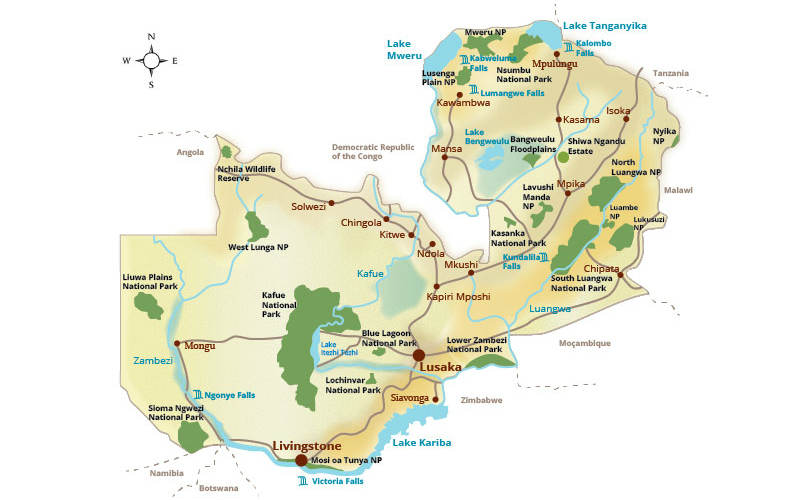
A map of Zambia. Note the location of Lusaka, the capital city of Zambia, with an estimated population of 2.7 million people in 2020.

The Top 10 Tourist Attractions in Zambia

10 – Choma Town And District
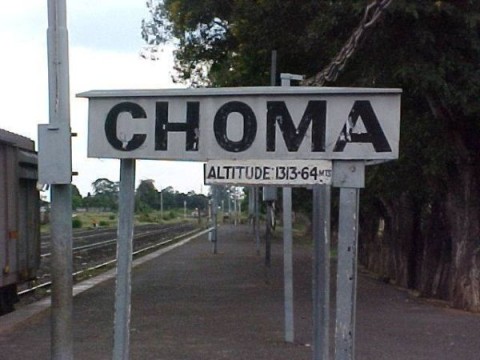
Choma is the hometown of the Tonga tribe in the southern part of Zambia. The town is the commercial hub in the south of Zambia and offers a sizeable market-related industry with a cultural museum. The town and districts provide hiking and biking trails, and farm visits as well as game viewing.

9 – Lusaka
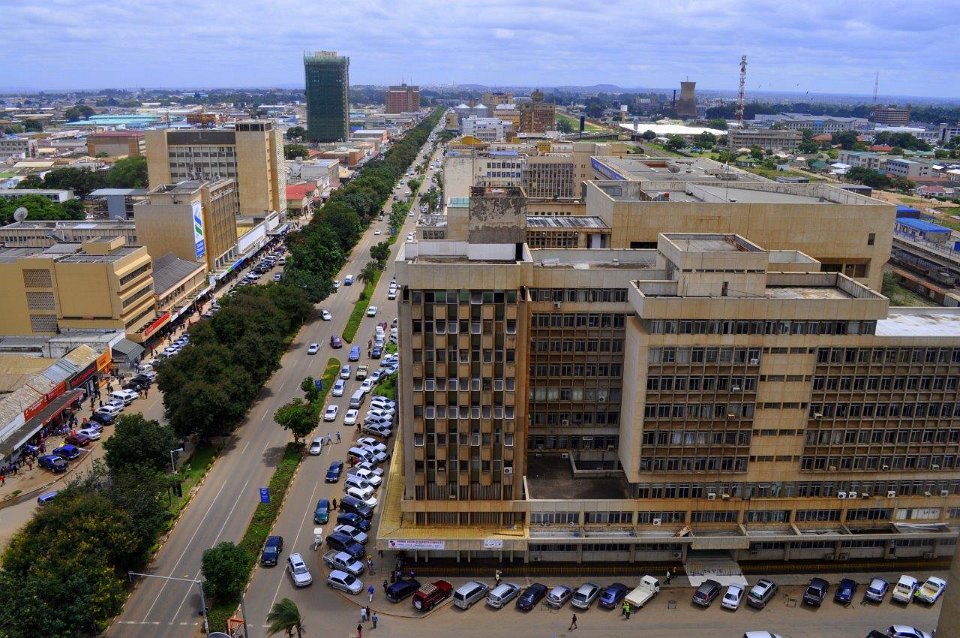
The capital city of Zambia, Lusaka, has a lot to offer tourists such as the National Museum, shopping malls, markets and a visit to the Kalimba Reptile Park, the Lusaka National Park, and the Munda Wanga Environmental Park.

8 – Kasama City & District Tour
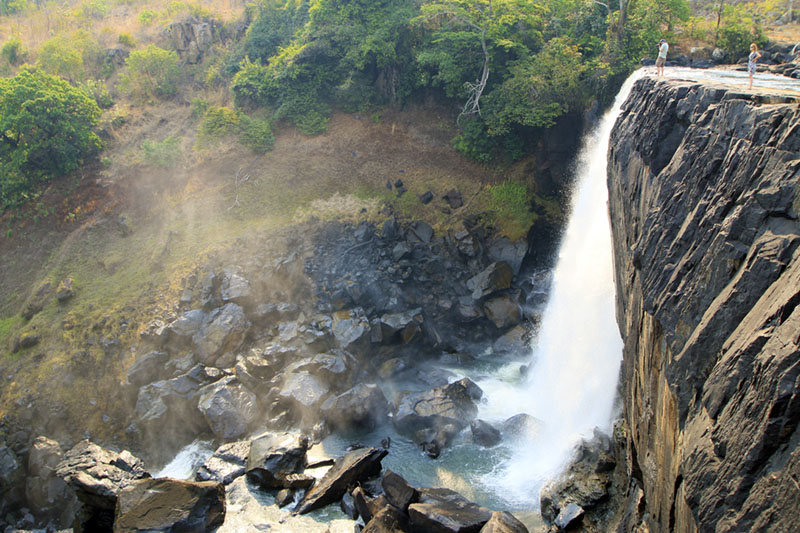
Kasama is the capital city of Northern Zambia and home to the Bemba people. Amongst hiking and biking, tourists can visit the Chishimba waterfalls where quarreling is forbidden, the Mwela Rock Paintings, and the Chambeshi Monument.

7 – Lower Zambezi National Park
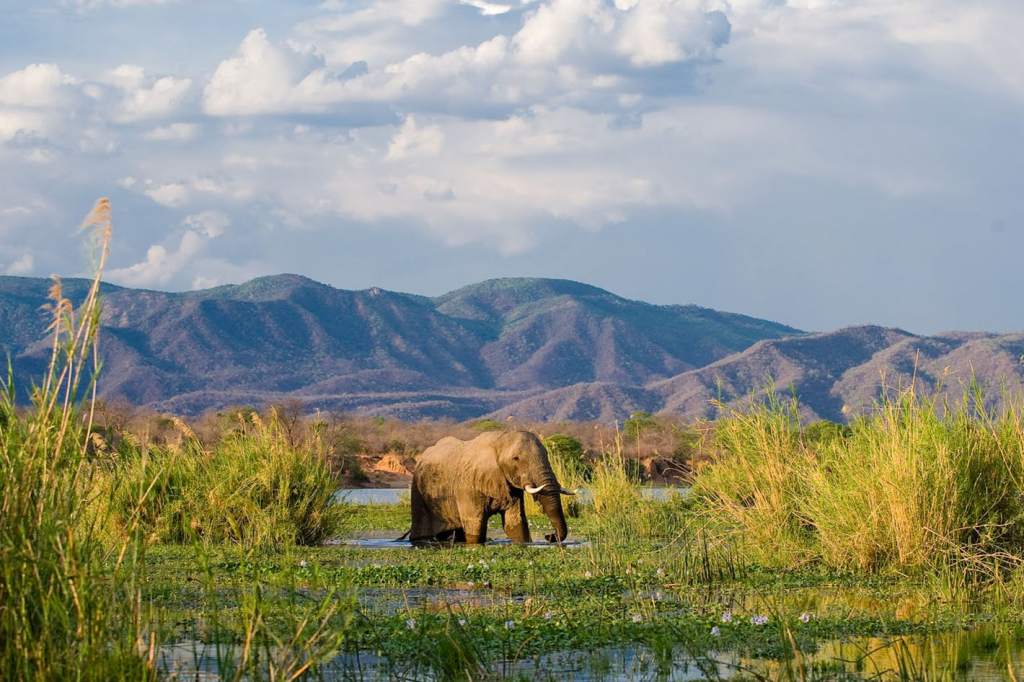
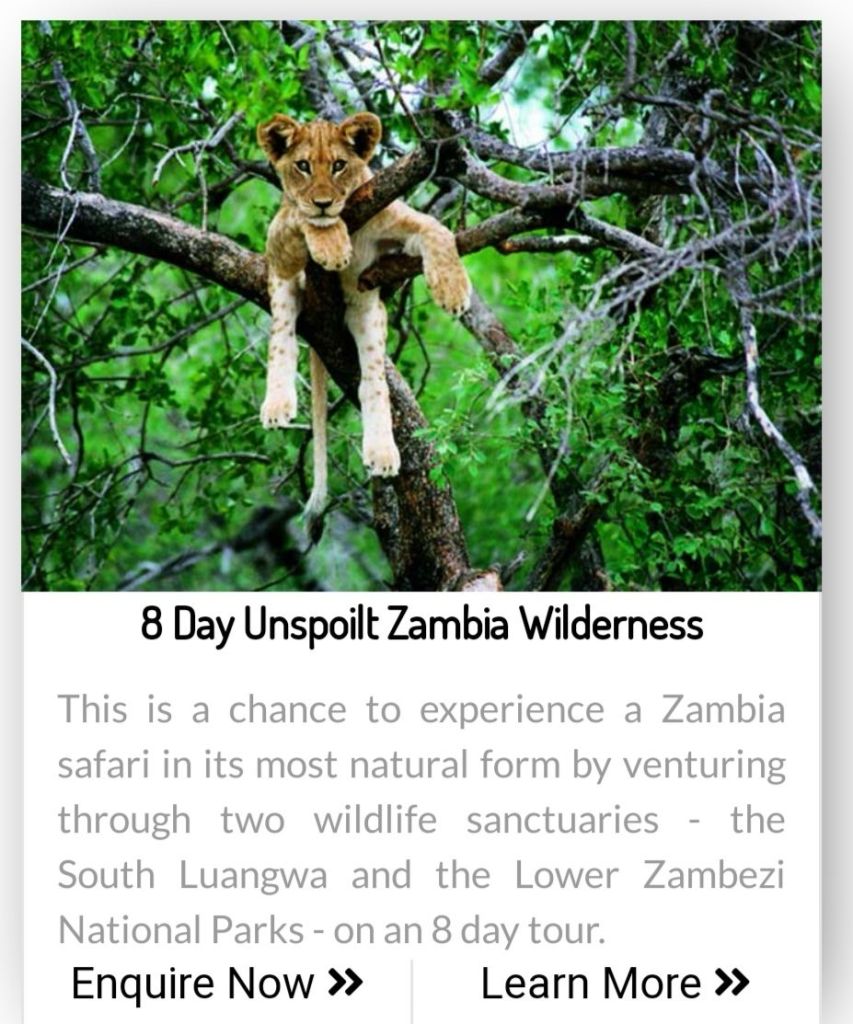
The Lower Zambezi National Park is located on the banks of the Zambezi River in the remote eastern part of Zambia. Wildlife viewing and boat and canoe trips are among the favorite activities available to tourists. The park is known for its large elephant herds and some 400-bird species.

6 – Liuwa Plain National Park
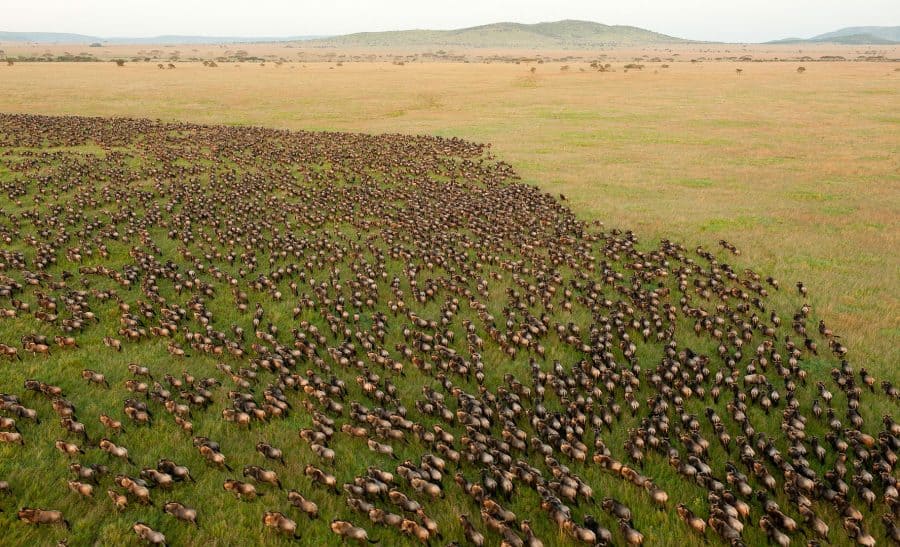
The Liuwa Plain National Park differs from other parks in Zambia due to its unique location in the beautiful, grassy plains in the northwest. It has a hot tropical climate and is the place to be if you want to see and experience the migration of thousands of Wildebeest.

5 – Blue Lagoon National Park
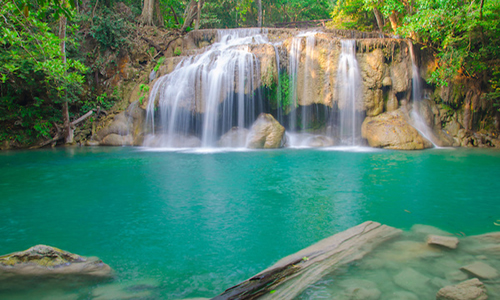
This unspoiled gem of a park was a defense force preserve and only recently opened to the public. Located some 120 km west of Lusaka, the Blue Lagoon National Park, with its vast floodplains, is a birdwatcher’s paradise. Other inhabitants include river pythons that hunt the largest concentration of Lechwe water-loving antelopes.

4 – The Kafue National Park
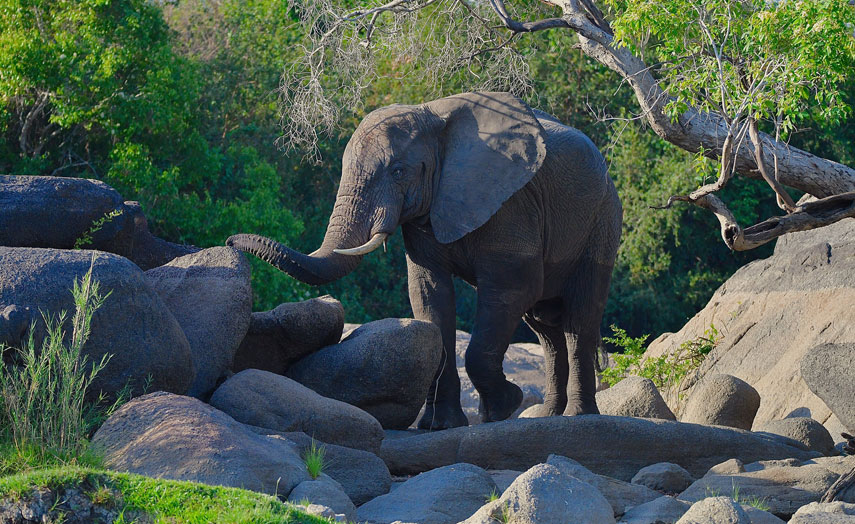
The Kafue National Park is Zambia’s oldest and largest game reserve. Activities include game and bird watching, boat and hiking safaris, as well as hot air balloon flights.

3 – Lake Tanganyika
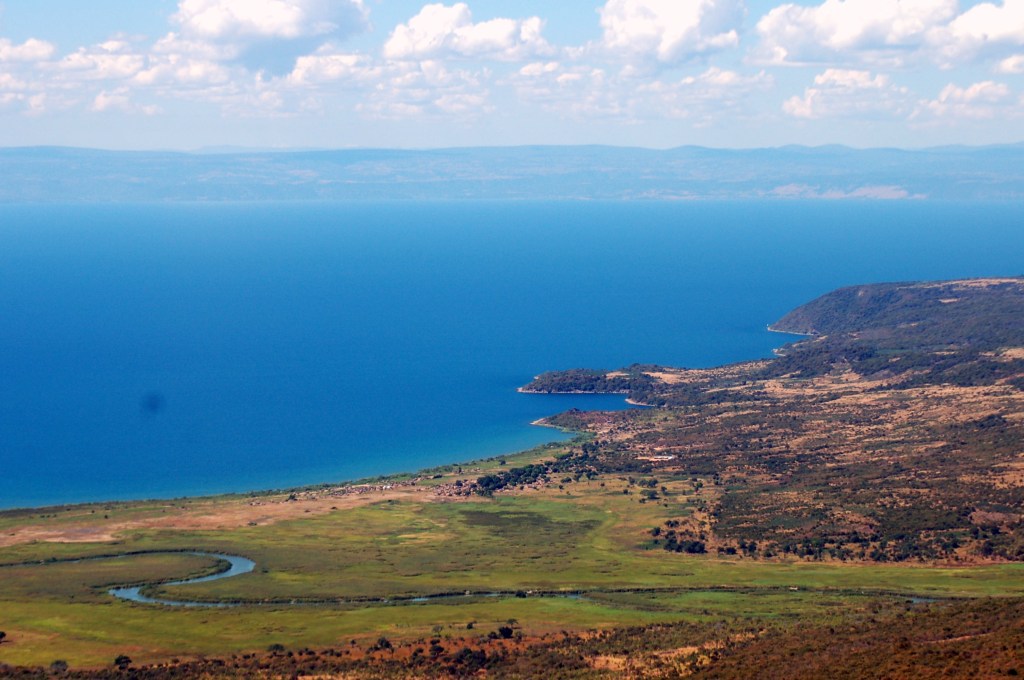
The longest freshwater lake in the world, Lake Tanganyika, is on the northeastern border of Zambia and offers boat trips, fishing, island explorations and game viewing (including crocodiles).

2 – Lake Kariba
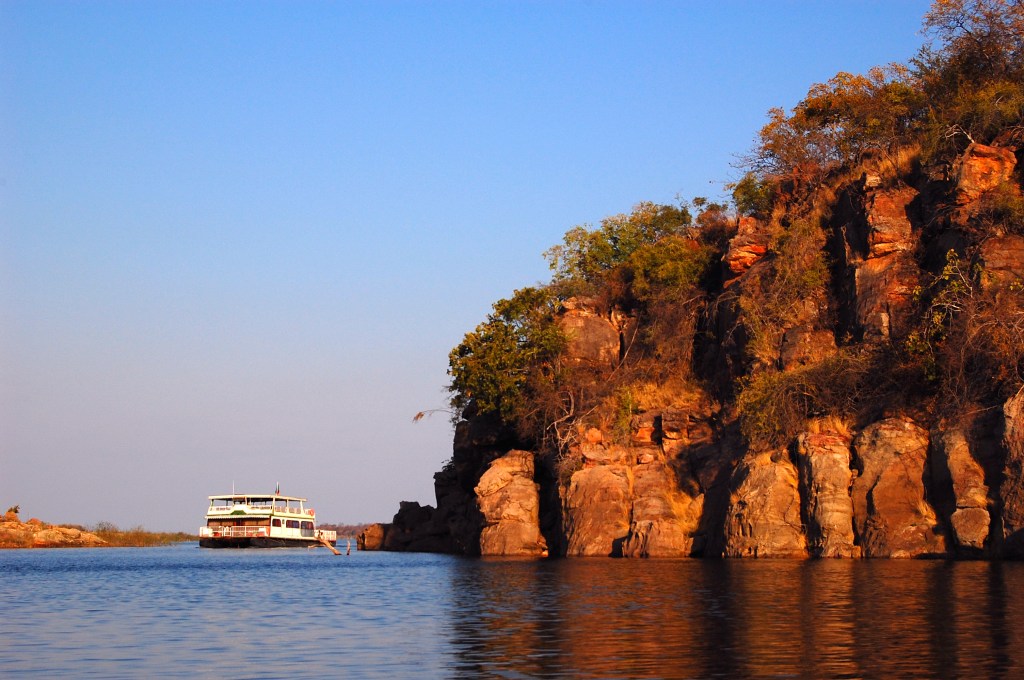
Lake Kariba is the largest human-made lake in Africa and offers a wide range of activities such as houseboat trips, big game viewing, fishing, and watersport.

1 – The Victoria Falls & Livingstone
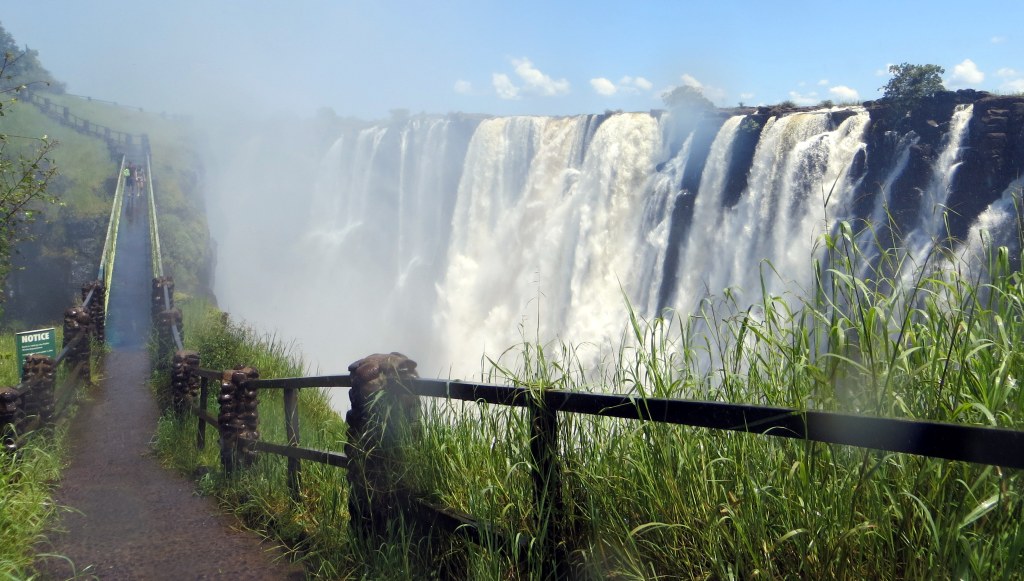
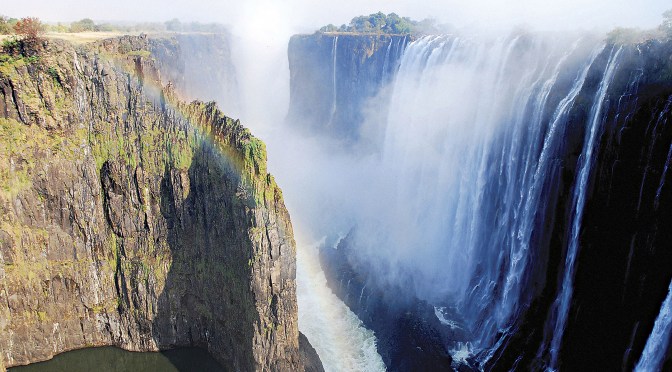
The Victoria Falls and Livingstone are still the number one tourist attractions for visitors to Zambia. Attractions include the Victoria Waterfall, the water spray, the Devil’s Pools, bungee jumping, and helicopter flights. The town of Livingstone in itself has its own set of historic tourist attractions.

Other Noteworthy Tourist Attractions in Zambia
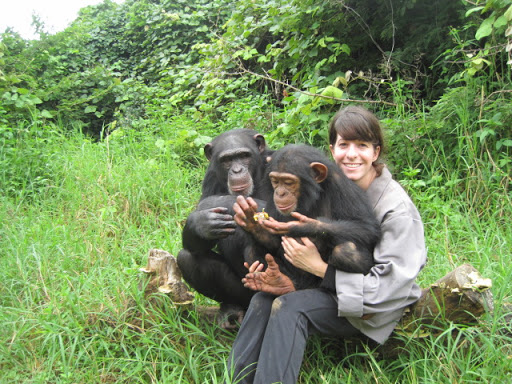
Chimfunshi Wildlife Orphanage – The Chimpanzee sanctuary is located on the Kafue River some 60 km west of Chingola. The orphanage needs the support of tourists for its ongoing existence.
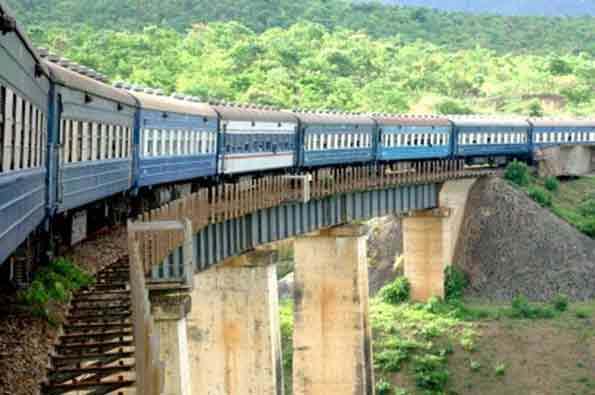
TanZam Railway Tour – This the rail link between Zambia and Dar-Es-Salaam. It’s important to note that the TanZam Railway Tour is not a comfortable or luxurious tourist attraction. Still, you’ll be sure to experience some breathtaking scenery through the Mikumi National Park and Selous Game Reserve.
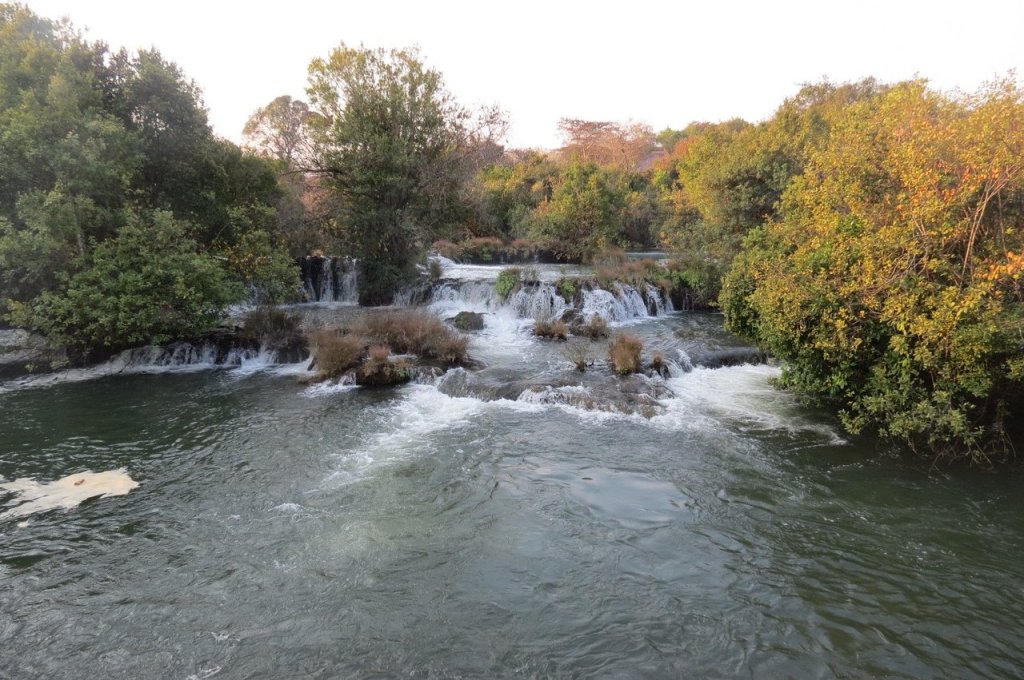
Solwezi – Should you have an interest in archeology, Solwezi is the place to visit. Solwezi is known for its Stone Age rock carvings in the adjacent canyons and caves.
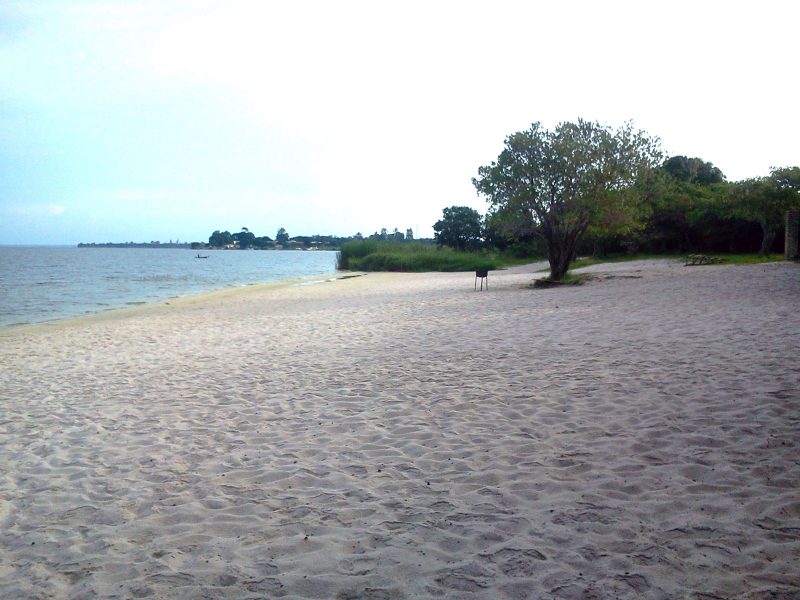
Lake Bangweulu and Samfya Beach – Not your ordinary coastal beach, but a beautiful place to visit never the less. The adjoining extensive wetlands offer game viewing and excellent bird watching opportunities. The water is so pure you can drink it.
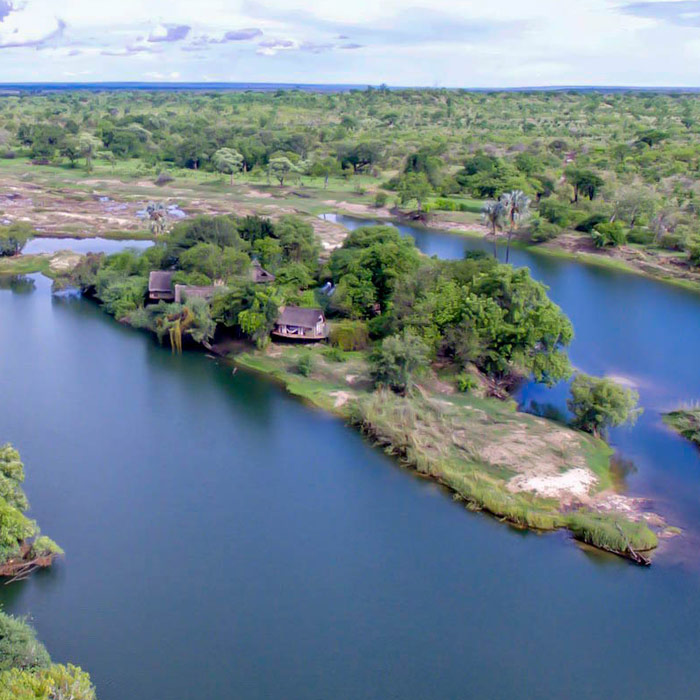
Sindabezi Island and the Tongabezi Resort – Close enough to the Victoria Falls, the small resort offers a discerning experience of nature and the accompanying river wildlife. Romantic dinner trips on a ‘sampan’ (flat bottom wooden boat) will appeal to visitors with love in the heart.
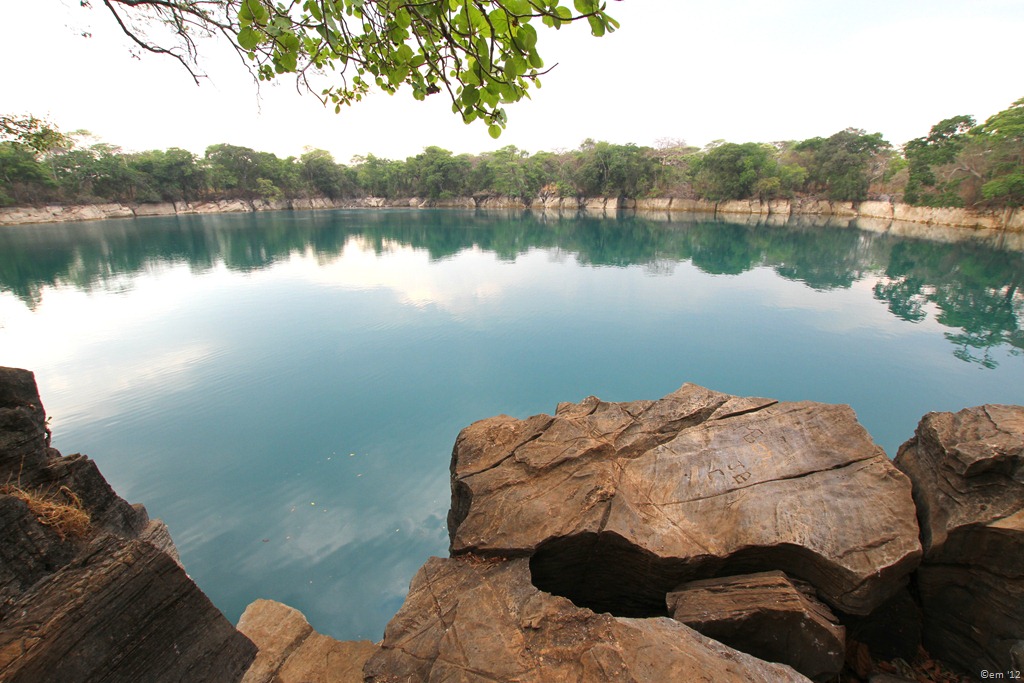
Lake Kashiba (‘Small Lake’) – Lake Kashiba in Zambia is located in the Ndola copper belt. Although it’s known as a scuba divers nightmare (because no one has ever reached the bottom), it is a must-visit for diving enthusiasts.
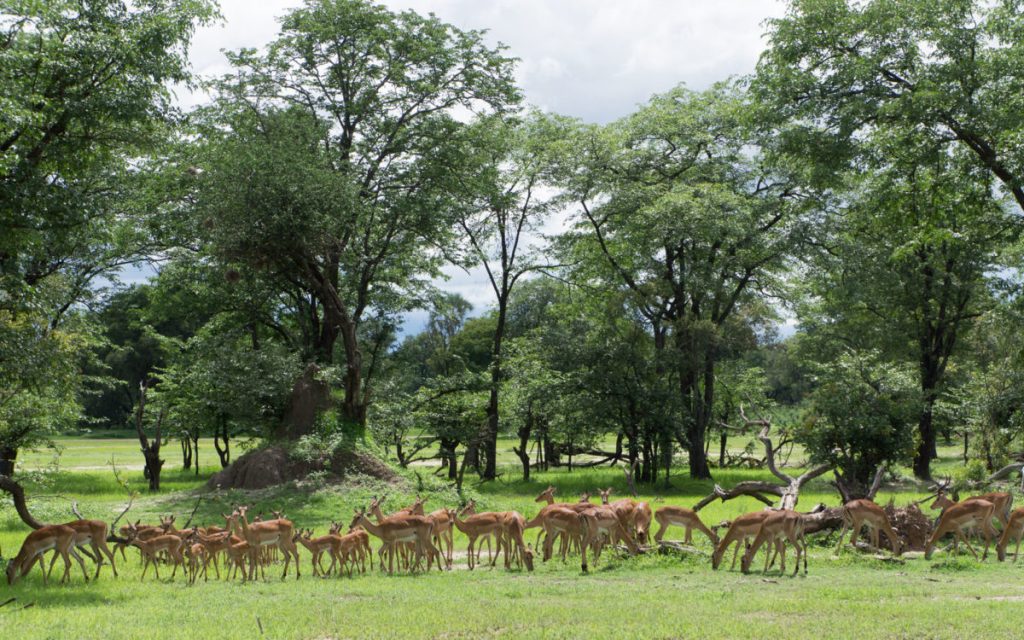
Mosi-oa-Tunya National Park – Located along the upper Zambezi River, the Mosi-oa-Tunya National Park game reserve is a UNESCO world heritage site. It offers excellent opportunities to those armed with a camera only.
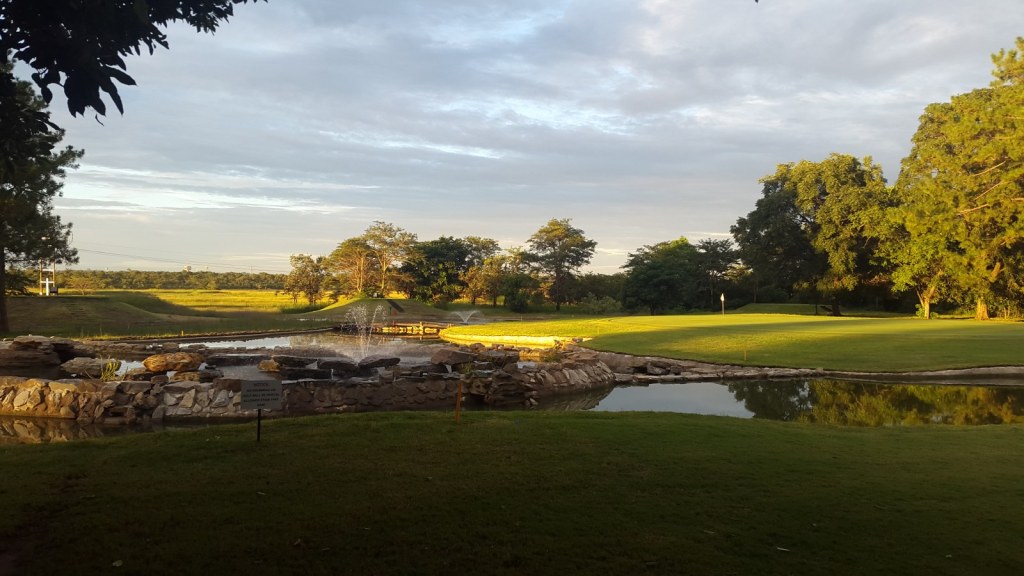
Kitwe – Is the capital of the copper belt Provence, and Zambia’s third-biggest city with a buzzing one million-plus mostly Bemba inhabitants. Kitwe is the main access point to the Mindolo Dam, the Chembe Bird Sanctuary, and the Mwekwera Falls.
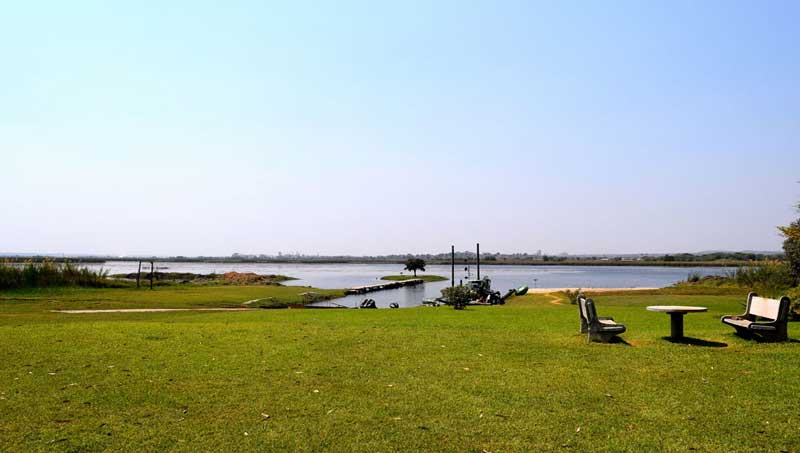
Ndola – The city is also located in the copper belt is the mercantile center of Provence. Places to visit include the Slave Tree with its termite damage, and Lake Chilengwa with its unique absence of a feeding source.
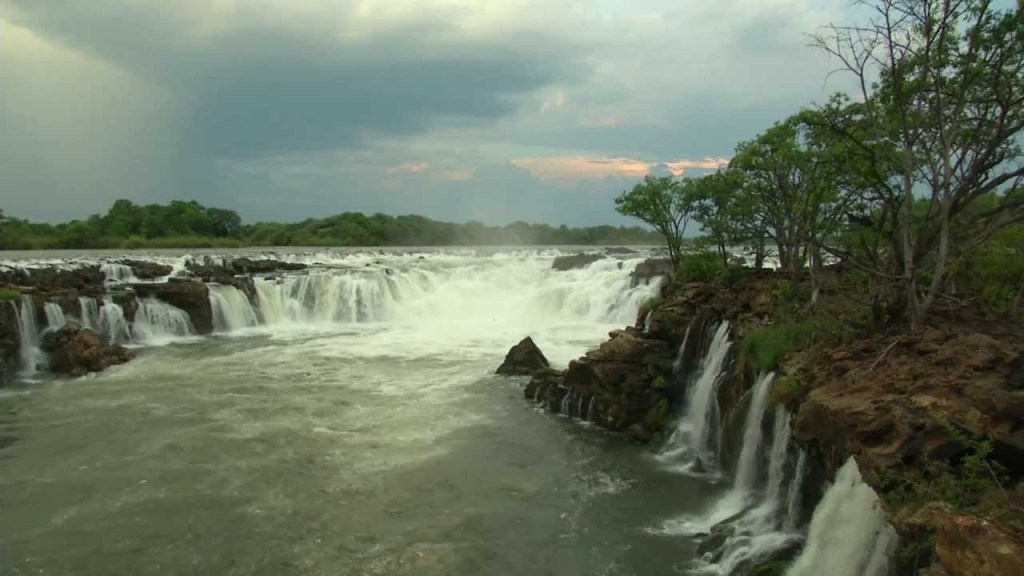
Sioma Ngwezi National Park – Although heavily depleted by ruthless poaching, the Sioma Ngwezi National Park is on an upward curve. Facilities are being upgraded, and the park offers game drives, game walks, and bird watching.

The Top 3 Tours in Zambia

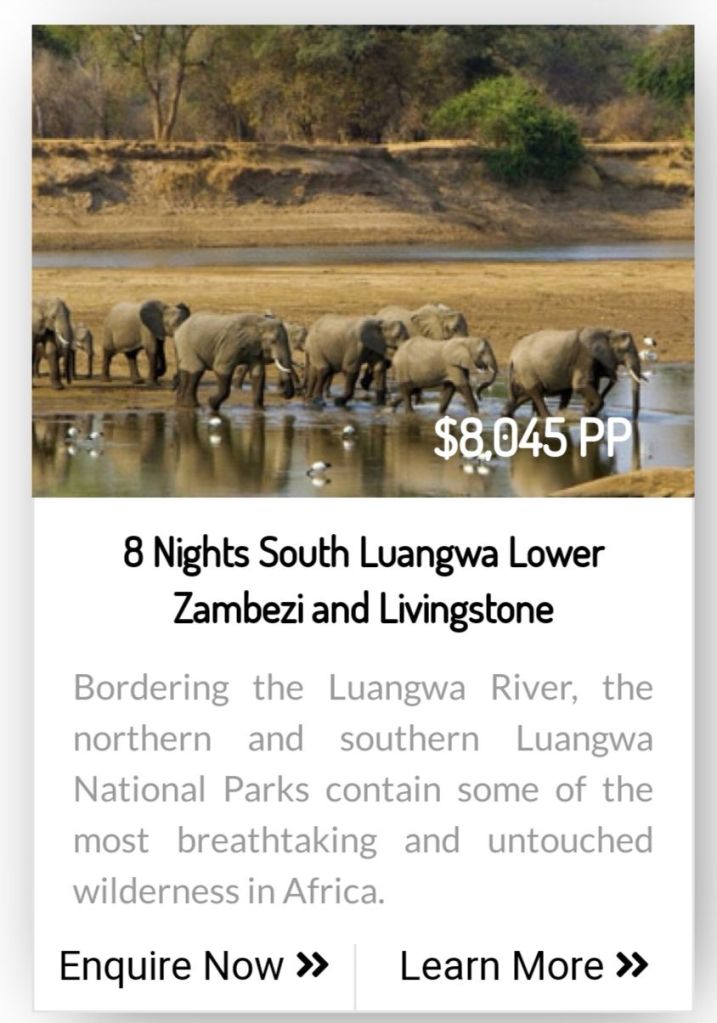
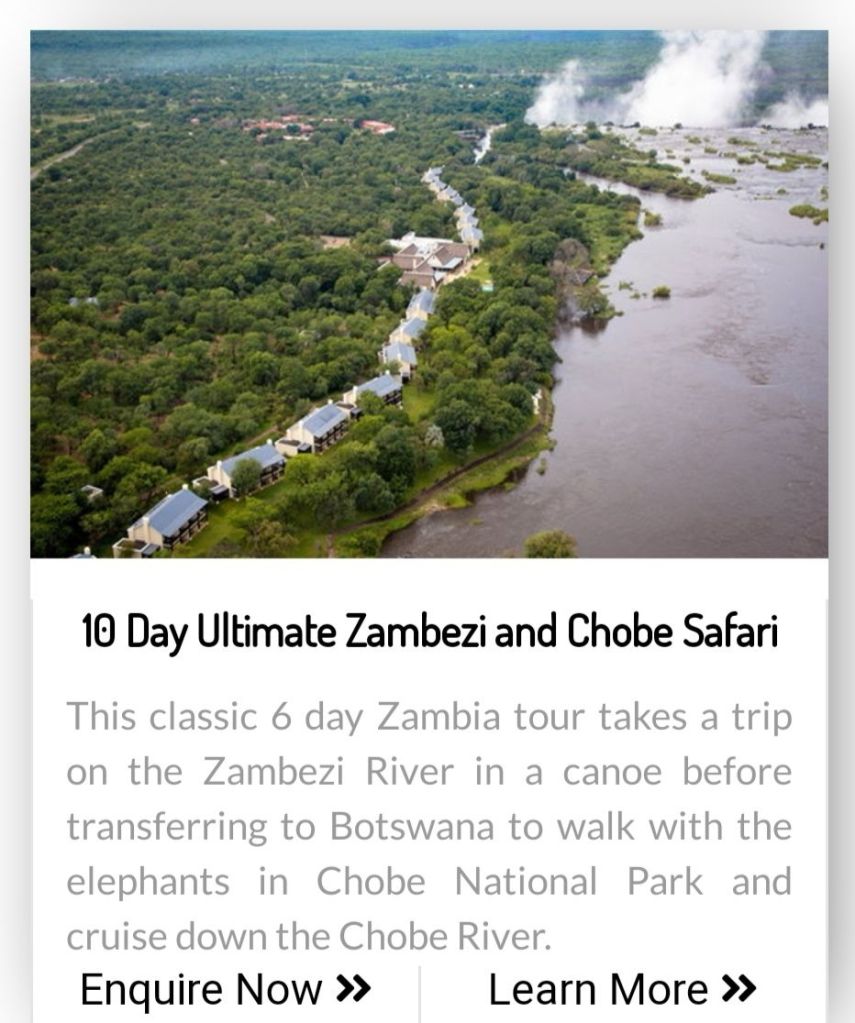
Falcon Safari is one of the leading and most trusted tour operators in Africa. Have a look at any of the Falcon Safari tour packages operated by Falcon Safari to Zambia listed below:
Travel Tips For those coming to Namibia

Travel Tips,like the following,can be taken into consideration:

Namibia is a peaceful, democratic country and is relatively crime free. However, as in any other place in the world there are undesirable elements.

By following basic advice it is possible to avoid most potential problems. It is advised that you carry a record of the numbers of your passport, airline tickets and travellers cheque’s. These should be kept in a safe place. Please note expensive jewellery should not be taken on safari.

Do not flash lots of money, an expensive camera or jewellery. Take note of onlookers and keep your possessions in sight at all times to avoid opportunistic theft. Make use of your hotel safety deposit box for expensive items. Never leave baggage or personal items unattended, especially at airports. It is best not to wander around the streets after dark.

If you are travelling in a car, do not leave your purse or bag lying on the passenger seat in clear view – rather keep them in the car boot. Do not consider picking up hitchhikers.

Currency :
1 Namibian Dollar (N$) = 100 cents The Namibia Dollar (N$) is fixed to and equals the South African Rand (ZAR) 1:1. The South African Rand is legal tender in Namibia and is accepted throughout for payment. Currency Exchange : www.xe.com

Credit Cards : 
International Visa and Master Card credit cards are generally accepted throughout Namibia. Holders of other credit cards are advised to clarify with a commercial bank whether their card is acceptable in Namibia. VISA cards are not accepted at petrol filling stations.

Voltage : 
220/240 volts AC. 3-Pin Plugs are used

Communications : 
IDD is available. Country code: 264

Local Time: 
Summertime is GMT + 2 from the first Sunday in September to the first Sunday in April.
Wintertime is GMT + 1, from the first Sunday in April to the first Sunday in September.

Banking Hours : 
09h00-15h30 Monday-Friday
09h00-11h00 Saturday

Shopping Hours :
08h00-17h30 Monday-Friday
08h00-13h00 Saturday

Passport & VISA Requirements : 
All visitors are required to carry a passport that is valid for six months beyond the intended length of stay. Nationals of certain countries do not require visas. It is advisable to check for the latest visa and entry requirements.

Health Precautions : 
Due to the hot dry climate Namibia is virtually free of tropical diseases, therefore health certificates are not normally required. However, vaccination requirements change from time to time. We suggest you consult your local doctor or health department.

Malaria exists in the northern area throughout the year, but you can reduce the risk of malaria by using prophylactics, which should be started before arriving in Namibia and with your doctor’s guidance.

If you are on prescription medication, please ensure you have an adequate supply, to last the duration of your stay and a copy of your prescription(s).

The Southern Africa sun is harsh, therefore we advise that you apply highest (SPF ’20) sun block liberally prior to going on walks, swimming etc.

Accessibility : 
By Air: Namibia is directly accessible by regular international flights from Europe by Air Namibia & LTU and neighboring countries from Johannesburg, Cape Town, Maun, Victoria Falls, and Luanda by Air Namibia, South African Airways, British Airways/Comair and SA Express.

By Road: Namibia is directly accessible by the regular Intercape Mainliner bus service from Johannesburg, Cape Town and Victoria Falls.

Airports : 
International Airports – Hosea Kutako International Airport, previously Windhoek International Airport; Walvis Bay Airport

International & Domestic Airports: 
Hosea Kutako International Airport – 45km east of Windhoek, previously Windhoek International Airport, caters primarily for international air traffic, while Eros Airport, situated within the municipal boundaries of Windhoek, handles domestic and regional flights.

All major Namibian tourist destinations have airports, landing strips and/or heliports to accommodate holidaymaker’s traveling by air.
Although Namibia has over 300 known airfields, travellers are cautioned not to land at unlicensed airfields, as the condition is not always known. Aircraft fuel is usually not available at the landing strips, and landings must be arranged in advance.

Transport : 
Domestic transport services available include Intercape Mainliner bus service and scheduled commercial flights.

Private transport available includes hired car , 4×4 vehicle or light aircraft.
Please note: Sense of Africa discourages clients from using public transport.

Road Conditions

A two-wheel drive vehicle is adequate for a self-drive holiday. The country has  a  well  established  road network, of which some 5 450 km is tarred and 37 000km consists of gravel and earth roads, providing access to the majority of towns, parks, nature reserves and tourist attractions in the country. Road conditions are good and well signposted.Two major development projects, the Trans-Caprivi Highway and the Trans-Kalahari Highway, provide access to Botswana, Zambia, Zimbabwe and South Africa and link Namibia with other Southern African Development Community (SADC) countries for trade, travel and communication.

What to Buy :
Finely crafted jewellery, precious and semi-precious gemstones, karakul jackets, indigenous crafts, Namibian brewed beer and locally manufactured chocolates and exotic leather goods.

Water :
Tap water is safe to drink throughout the country, except for isolated rural areas, where the consumption of filtered or bottled mineral water is recommended.
(Remember water is as precious as diamonds in this drought-stricken land.)

Accommodation : 
Advanced bookings are highly recommended, especially outside of major centres and are absolutely essential in July, August, September, October, November and December.

The accommodation type in Namibia varies from hotels, guesthouses, pensions, guest farms, tented camps and lodges.

Lodges and safari camps tend to be on private ranches and offer both standard and luxury accommodation.

National parks offer camping, self-catering huts or chalets .

Dietary Requirements : 
Special dietary requirements are catered for throughout Namibia.
Most restaurants offer selections for vegetarians, depending on their forte.
Note : It is important to give advanced notice to places where you intend staying.

Tips & Gratuities :
Some restaurants do include service charges; otherwise 10 per cent of the billed amount is adequate. The same applies to hotel service personnel.

What to Pack :
Cotton rather than synthetic clothing is recommended for Namibian summers. This can be bought at shops in Windhoek that specialise in lightweight safari wear. Winters are usually mild to warm, which calls for light clothing in  the  middle  of  the day, and a sweater or jacket for evenings and early mornings when it can become quite cold. It is often cold and windy at the coast, for which warm clothing, including a windbreaker, is necessary. An important item is comfortable walking shoes. Swimsuits are required for public beaches or swimming pools. When packing, remember to include binoculars, a sun-hat, sunglasses, sun block, bathing towel, moisturiser, lip-ice and mosquito repellent. Points for electric shavers (electric current 250VAC) are available at major hotels and most state-owned rest camps and resorts. It is advisable to bring battery-operated or conventional razors when visiting remote areas. Camping equipment can be hired in Windhoek.

Photographic Equipment :
Ensure that you have sufficient film and spare batteries, as these may be difficult to purchase in some areas. A lens hood and ultra violet filter are advisable.
Dust-proof packing of your equipment is strongly recommended.

Important Note !!! : It is courteous to ask permission before photographing people. Please be sensitive. Not all African cultures are familiar with cameras. Rural folk will often shy away from having their picture taken. Some locals may ask a fee for having their photograph taken. It is recommended you avoid photographing anything relating to government and military, including personnel (soldiers and police) and buildings.

ON TOUR WITH FALCON SAFARIS TO THE VICTORIA FALLS

They say that the best thing about an African safari is a sunset in Africa. And the only thing better than that is another sunset with your favourite drink on standby, or an African sunrise on a clear day. What better way to start your African encounter with Falcon Safaris, the best tour operator in Southern Africa, than with a visit to one of the seven wonders of the world, the Victoria Falls? This stunning Unesco World Heritage site is located on the border between Zimbabwe and the southern tip of Zambia, and your adventure begins when you land at Livingstone Airport.

WHY LIVINGSTONE?

Livingstone has a modern combined military / civilian airport with direct links to Johannesburg (South Africa), Nairobi (Kenya) and Addis Ababa (Ethiopia). The former Livingstone airport is now called the Harry Mwanga Nkumbula International Airport. Livingstone is a typical old, colonial-style town, with a modern business area at its heart and more rural African townships located to the south and east. The town derived its name from David Livingstone, the famous explorer and missionary who, in 1855, was the first white man to lay eyes on the Mosi-o-Tunya (“the smoke that thunders”) or what we now know as the Victoria Falls.  

LIVINGSTONE CITY MUSEUM TOUR

The Falcon Safaris’ full-service destination management team will guide you on a two-hour tour of the famous Livingstone Museum. You are not a history buff, you may say, but a visit will give you a taste of historic Africa. Exhibits include letters and other memorabilia from Livingstone himself, tribal and witchcraft artefacts, animal taxidermy, as well as a model African village. If you have a day to spare, allow Falcon Safaris to take you on a visit to the adjoining Mosi-oa-Tunya National Park, as well.

VICTORIA FALLS AND THE VICTORIA FALLS HOTEL

The main objective of your visit may be just to experience the Victoria Falls – to feel the spray on your body and hear the thunder of the water. Imagine a selfie with you in the foreground and a rainbow in the mist in the background. Don’t forget a picture of yourself with the statue of David Livingstone, too. The best views of the falls are from the Zimbabwean side, but make sure that you view it from both sides. Entrance fees range between $20 and $30. 

DEVIL’S POOLS

This is the ultimate swimming experience offered by Falcon Safaris. Keep in mind that the pools can be reached only from the Zambian side. Swimming in this natural pool will probably be the adrenaline rush of a lifetime. You can peek over the edge and see the largest waterfall in Africa. It is advisable to be a reasonably good swimmer if you intend to participate in this venture. Remember that you will have to swim across the Zambezi River. Stay close to the Falcon Safari guides at all times. This excursion costs between $100 and $170, depending on the season, and you will have to sign an indemnity.

BUNGEE JUMPING

No tour with Falcon Safaris would be complete without a walk across the bridge. For the daring and the young-at-heart, there is also the opportunity of bungee jumping from the bridge. The jump is regarded as one of the most scenic jumps in the world. Image the majestic backdrop and the river below. Don’t worry about the Nile crocodiles; they are not known for high-jumping, so you won’t become part of their diet. The fall of some 110 meters will live in your memory for a long, long time. Pictures are taken with each jump, and you can take your memories with you.

SUNSET CRUISES

As mentioned above, a sunset in Africa is a must-do, and there’s no better way to experience it than with a two-hour sunset cruise on the Zambezi River with Falcon Safaris. Take a transfer shuttle to the river and enjoy the magnificent views. Guides will be on hand to point out landmarks and describe wildlife encountered along the way. As this is a trip within a National Park, be prepared to pay certain fees.

HELICOPTER FLIGHTS

Breathtaking helicopter flights are available throughout the day. A typical flight takes the tourist over the falls, and the views are from both the Zimbabwean and Zambian sides. The flight lasts for about an hour and provides an unforgettable bird’s eye view of one of the seven wonders of the world.

HORSE RIDING FROM THE VICTORIA FALLS HOTEL

With Falcon Safaris, you will be able to experience the wild on horseback. A qualified guide will take you on a three-hour ride for some spectacular game viewing. Elephant, buffalo, kudu, and other wild animals are plentiful, and you will get the real feel of Africa. No experience is needed – you don’t need to be a cowboy to do this ride. But remember, a few hours on horseback will have some impact on your backside, and you may experience some stiffness the next day.

For more information on the Victoria Falls Hotel visit:

The Victoria Falls Hotel  and https://www.falconsafaris.com/

HIKING THE FALLS – THE BOILING POT HIKE

This is a dream hike winding down to the bottom of the falls where you can experience the spray of the falls and view nature’s boiling pot of thundering water. This hike is only available in the dry season between August and December, and you need to be reasonably fit and agile to undertake it. It’s relatively easy going down, but you have to hike back up again!

WHAT YOU WILL NEED FOR A TOUR WITH FALCON SAFARIS

Every person has different requirements. Falcon Safaris provides for most if not everything, but it is worth considering the following, as well:

  • Good-quality sunglasses. You may lose or break them during your activities, so rather go for practical glasses that won’t cost you an arm or a leg to replace.
  • If photography is your hobby, make sure that you have equipment that you can carry. It should also be waterproof because you will encounter a lot of spray and moisture.
  • The climate is ideal for mosquitoes. There is no truth in the rumour that they are so big that they will carry you away and suck you dry at home, but do take some strong insect repellent with you on the trip.
  • Malaria has mostly been eradicated in the Falls area, but some 15 cases are still being reported annually. The wise thing to do is to take prophylactics, especially if your trip falls between August and February.
  • Other “should haves” include good-quality, well-worn hiking boots, sunblock and a fold-up raincoat.
  • Lastly, remember to apply, with the help of Falcon Safaris, for a Kaza Uni-Visa. You will need it for the regular border crossings between Zimbabwe and Zambia.

A well-organized safari with Falcon Safaris, the premiere full-service destination management company in Southern Africa, will make your trip the memory of a lifetime. They say that once you have felt the African sun on your skin, you always want to come back for more.

ENJOY THIS BLOG?

Let us know in the comments below. We would love to hear from you.

                                    ****************