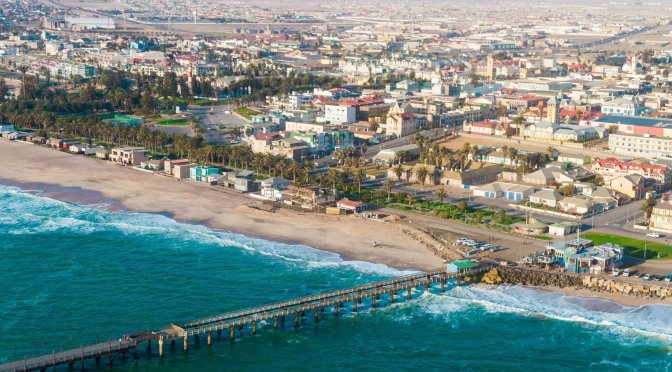
Travel Namibia – Top Tourist Attractions in Namibia, Namibia Facts & Best Namibia Travel Information
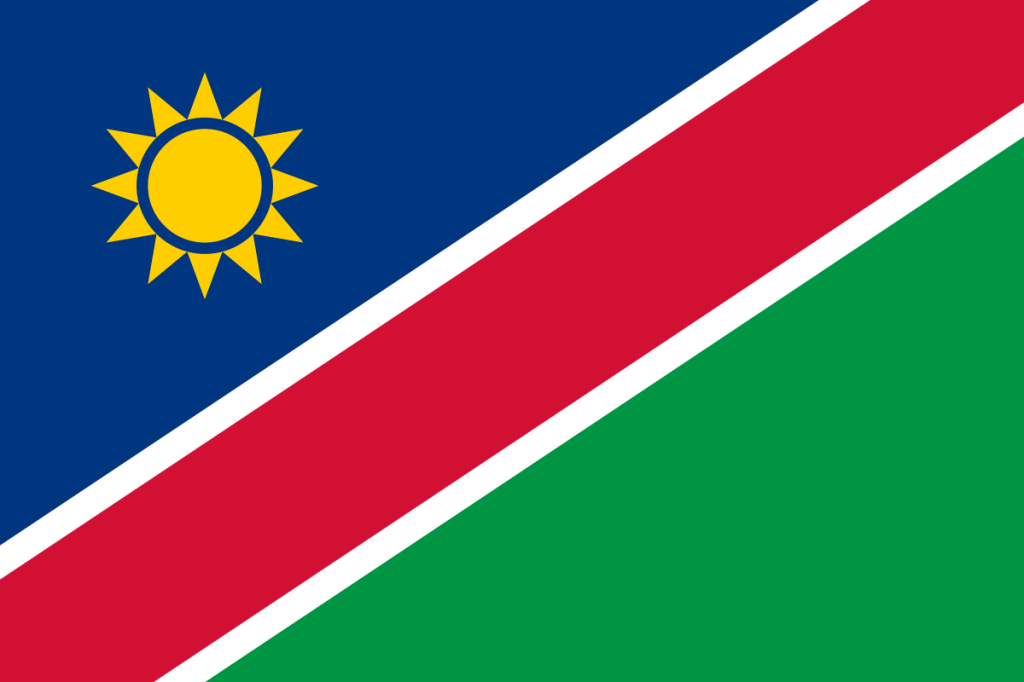
Namibia Population: 2,606,971 (2017)
Namibia Capital City: Windhoek
Namibia GDP: $27.505 billion
Namibia Currency: Namibian Dollar (NAD) and South African Rand (ZAR)
Namibia Time Zone: UTC +2 (CAST)
Namibia Driving Side: Left
Namibia Calling Code: +264
A trip to Namibia, the country where mysteriously stranded boats line the Skeleton Coast, and the red sand dunes of the Namib desert stands gracefully tall against the blue sky, is the experience of a lifetime.
If you’ve ever thought of visiting Namibia, there is no time such as the present to do so. Many a visitor find Namibia to be a country with a raw and rare beauty that is so breathtaking, it leaves the mind in awe and the heart forever changed.
In this short but comprehensive guide to travel Nambia, you’ll find information featuring the top tourist attractions in Namibia, visa info, the best time to travel to Namibia, a short history of Namibia, as well as top tour package suggestions.
Get your safari pants ready, your camera batteries charged, and hop on that plane to Namibia!
A SHORT-COMPREHENSIVE GUIDE TO TRAVEL NAMIBIA
The Republic of Namibia is a Southern African country, which borders South Africa on the east and south, Zambia and Angola to the north, and Botswana to the east.
5 Interesting Facts of Namibia
- Namibia is the driest country in Sub-Saharan Africa and does not receive more than xxx rainfall per year.
- Namibia was first inhabited by the San people, Damara and Nama, but in the 14th century, Bantu speaking people immigrated to the area and is today the majority.
- Tourism contributes majorly to the Namibian economy. Up to 14.5% of the GDP is derived from tourism.
- Namibia is known as a prime ecotourism destination, with the Namib desert known as a must-see.
- Extreme sports such as skydiving, 4 x 4 trips through the Namib desert, and sandboarding are top tourist attractions in Namibia.
Visa for Namibia
Getting a visa for Namibia is pretty straight forward. Tourist, business, and other short- and long-term visas are available to tourists, diplomats, and business people who have a valid passport with a minimum of 6-month validity.
Visa for Namibia – Exempt Countries
Validity: 3-Months within 1-Year
Visitors who hold ordinary passports and originate from any of the below-listed countries can enter Namibia without a visa.
- Angola
- Armenia
- Australia
- Austria
- Azerbaijan
- Belarus
- Belgium
- Botswana
- Brazil
- Canada
- Cuba
- Denmark
- Eswatini
- Finland
- France
- Germany
- Hong Kong
- Iceland
- Indonesia
- Ireland
- Italy
- Jamaica
- Japan
- Kazakhstan
- Kenya
- Kyrgyzstan
- Lesotho
- Liechtenstein
- Luxemborough
- Macao
- Malaysia
- Malawi
- Mauritius
- Moldova
- Mozambique
- Netherlands
- New Zealand
- Norway
- Portugal
- Russia
- Seychelles
- Singapore
- South Africa
- Spain
- Sweden
- Switzerland
- Tajikistan
- Tanzania
- Turkmenistan
- Ukraine
- United Kingdom
- United States
- Uzbekistan
- Zambia
- Zimbabwe
Visa for Namibia – Visa On Arrival
Validity: 3-Months
Cost: N$1,000 (USD $28 – 30)
The main entry points into Namibia is Hosea Kutako International Airport or Walvis Bay Airport where visitors can obtain a 3-month Visa on Arrival for Namibia. Countries that qualify for a Namibia Visa on Arrival:
- Benin
- Bulgaria
- Burkina Faso
- Burundi
- Cape Verde
- Cambodia
- Cameroon
- Central African Republic
- Chad
- Chili
- Comoros
- Cote d’Ivoire
- Czech Republic
- Djibouti
- Equatorial Guinea
- Eritrea
- Gabon
- Gambia
- Guinea
- Guinea-Bissau
- Hungary
- Liberia
- Madagascar
- Mexico
- Nicaragua
- Nigeria
- Poland
- Romania
- Rwanda
- Sao Tome & Principe
- Sierra Leone
- Slovakia
- South Korea
- Thailand
- Togo
- Tunisia
- Turkey
- Uganda
- United Arab Emirates
- Venezuela
- Vietnam
Visa for Namibia – African Passport Holders
The government of Namibia is said to soon introduce Visa on Arrival for all African passport holders. African passports will be issued to citizens of most of the African countries on the African continent to out phase the need for Africans to obtain a visa for the 55-states in Africa. This initiative is similar to the European Union and was first launched on 17 July 2016 in Kigali, Rwanda.
The Capital of Namibia
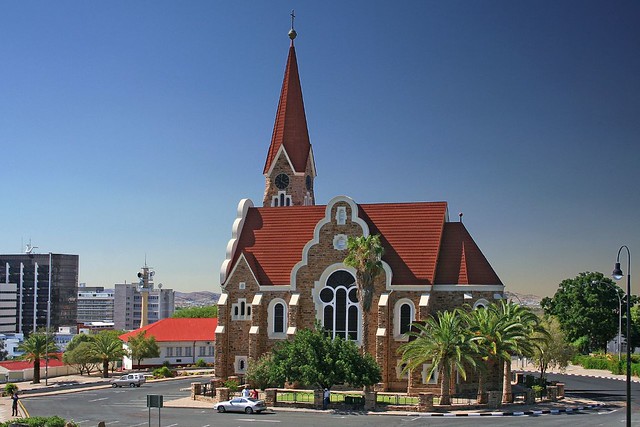
Windhoek is the capital city of Namibia and is situated right in the middle of the country in the Khomas Highland plateau area. It is also the largest and most densely populated city in Namibia, with 325,858 people calling it home.
The capital city of Namibia was first settled by indigenous pastoral communities since the area was known for its permanent hot springs. In 1840, a Captain of the Orlam by the name of Jonker Afrikaner settled here and built a stone church. Since then, Windhoek has grown into what it is in modern times today.
Namibia Population
After Mongolia, the Namibia population is known to have the second-lowest population density in the world. According to a 2017 survey, there are on average 3.08 people per km2. In total, the Namibia population is only 2,6 million (2017).
A Short History of Namibia
German South-West Africa, (as Namibia was known in the 18th century), was annexed by German Chancellor Bismarck in 1884, and declared a German Colony. That was done on the advice of Adolf Lüderitz, the founder of the small, coastal town of Namibia, Lüderizbucht.
The Germans feared British colonialization following the annexation of the main harbor town Walvisbay in 1878. Namibia’s local tribes, the Herero’s and Namaqua’s, fought a gallant war against the Germans but were no match for their superior weaponry.
During World War I, South Africa invaded the territory in 1915 and occupied Namibia on behalf of the British Commonwealth. The occupation lasted some 75 years.
The first 50 years were relatively peaceful, but during the final years before Namibia claimed independence, it became an all-out struggle between South Africa and SWAPO, the countries biggest liberation movement.
Namibia gained independence on 21 March 1990 under the leadership of Sam Nujoma, who also became the countries’ first president.
In 1994, the ‘lost’ territories of Walvisbay and the adjacent twelve small islands were handed back as well.
The Best Time to Travel Namibia
The best time to travel Namibia is during the winter and spring months, which is from June to October. Since Namibia can get quite hot, traveling between June to October is advised, since the temperatures are then around 18 – 26 degrees Celsius, depending on where you’re traveling.
Day time in Namibia is extremely pleasant during winter and spring, but night times can be cold, as is prone in desert type climates. It’s best to pack both short-sleeve and warmer clothes.
Is Namibia Safe to Travel?
Yes, Namibia is safe to travel. Comparted to other war-torn or dangerous countries in Africa, Namibia is one of the few countries on the continent with a politically stable government and where it’s safe for tourists to travel.
That said, there are the usual safety concerns and precautions everyone should take when traveling in Namibia, as would apply in any country in the world.
How To Stay Safe While You Travel In Namibia:
- Join an organized tour with a known tour operator.
- Do not drive around at night by yourself.
- Avoid dark alleys or unknown, unsafe looking areas in towns/cities.
- Stay in a group rather than traveling alone.
Map of Namibia
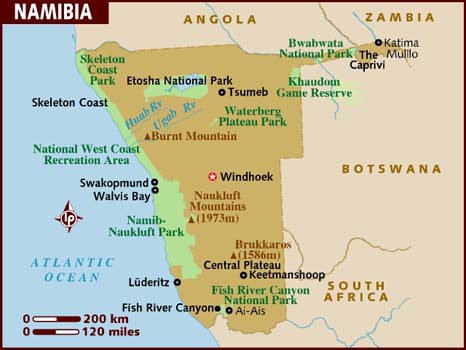
The Top 10 Tourist Attractions in Namibia
10 – Epupa Falls
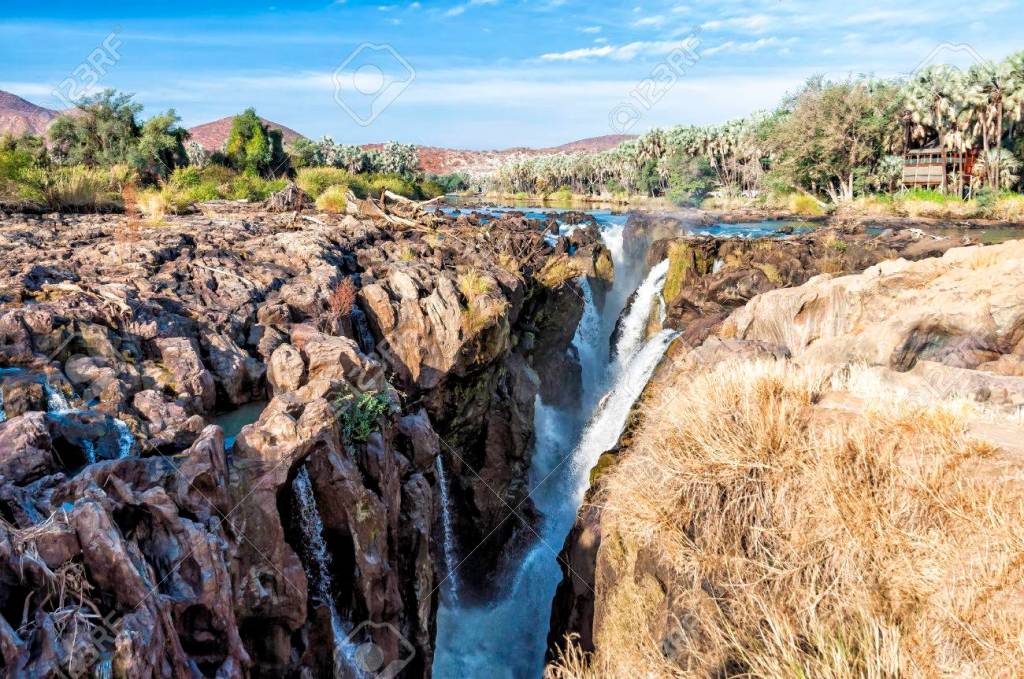
At the border between Angola and Namibia is the Cunene River. It’s here that the beautiful Kaokoland area of the Kunene Region of Namibia is situated, and where the 0.5 km wide Cunene River gives birth to the Epupa Falls spreading to over 1.5 km. The highest drop point is 37 meters.
Accommodation: Kapika Waterfall Lodge, Omarunga Camp Lodge, Epupa Camp Lodge & Epupa Falls Campsite Lodge
Popular Activities: Guided tours to the Epupa Falls and Himba Villages, whitewater rafting, bird watching, crocodile watching excursions, sightseeing the famous Baobab, and Mopane trees.
9 – Twyfelfontein
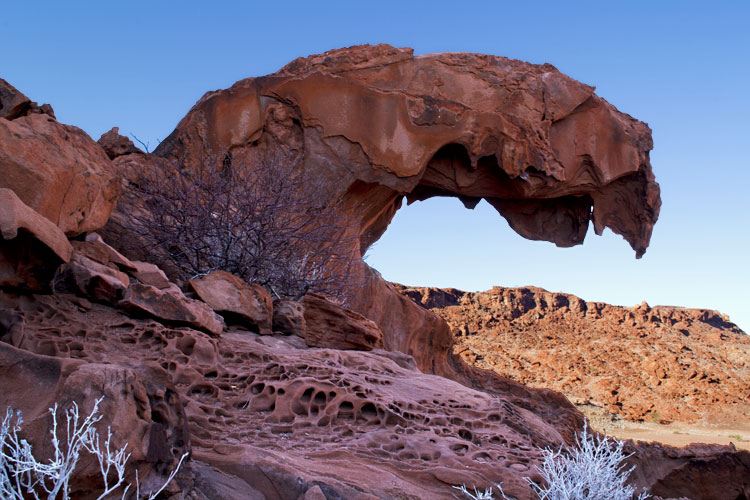
Twyfelfontein is home to one of the world’s largest concentrations of rock petroglyphs in Africa, and is a protected UNESCO site. Even if you’re not into rock art, you’ll find the Twyfelfontein rock art site situated in what was formerly known as Damaraland (today Kunene), absolutely breathtaking. The rock art is located in a valley that is flanked by a stunning sandstone mountain, with an aquifer that runs underground where a spring originates. It’s this spring from which Twyfelfontein (translated Doubt Spring) then also got its name. Twyvel in the Afrikaans language means ‘doubt,’ and fontein refers to ‘spring.’ Many thus speculate that the spring got its name due to the area receiving minimal annual rainfall (<150 mm per year).
8 – Skeleton Coast
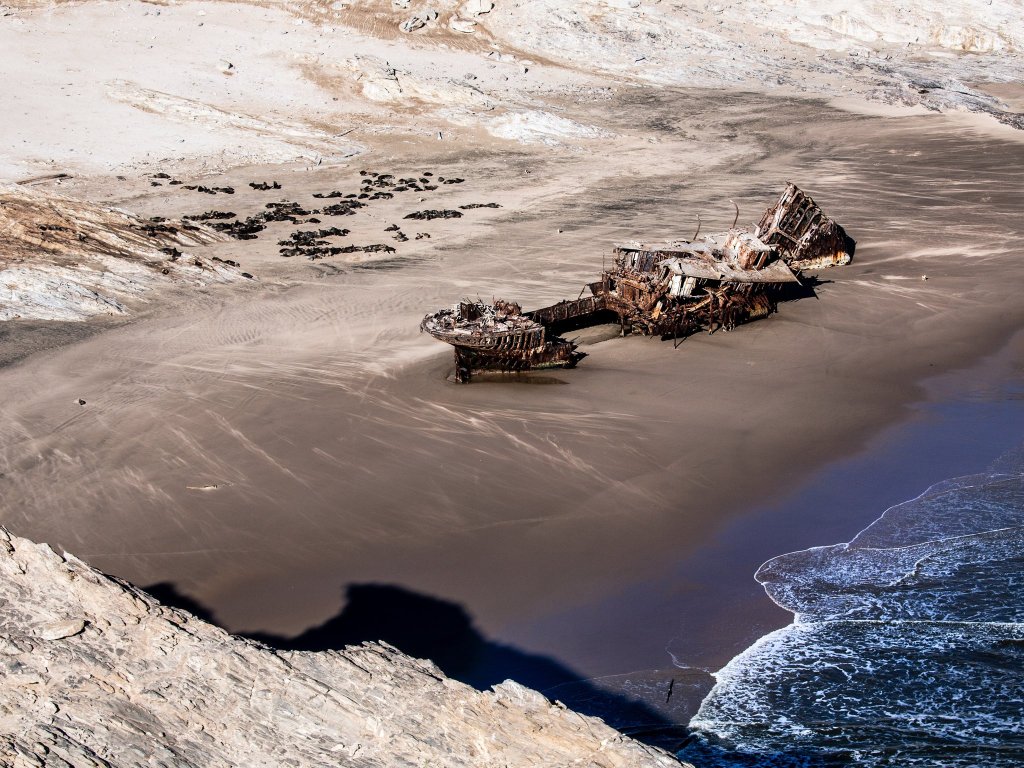
A trip to Namibia is incomplete without visiting the world-famous Skeleton Coast. The Skeleton Coast is also a national park and includes the 500 km coastal strip on the western part of Namibia. It is a barren, desolate desert coastal area with unique beauty. During autumn (May to June), the area covered in rolling fog, which may give a visitor a spooky chill along the spine. Autumn tends to be windy and is not ideal for wildlife viewing.
Close to river mouths and surrounding areas, wildlife is found at regular intervals. Amongst the wild, you will find Kudu, Springbok, and even Oryx. The brown hyena forms the clean-up crew. Amongst the birdlife, you can expect to see Ostridge and white pelicans as the most common amongst others. Marine life consists of large colonies of Cape Fur Seals and the occasional dolphins.
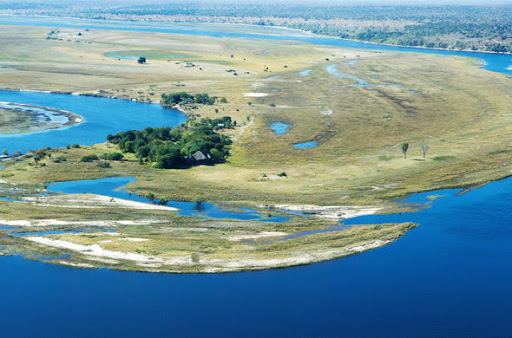
The Caprivi Strip (Caprivizipfel in German or Okavango Strip during colonial times), a salient (elongated protrusion not surrounded by water) of Namibia, starts in the north-east and protrudes east for close to 450 km (280 miles). On its southern flank, you’ll find Botswana, and north, Angola and Zambia. Zimbabwe borders its eastern tip for only about 100m. The Caprivi Strip is a spectacularly beautiful natural area, with various wildlife living there, including the critically endangered Wild African Dog.
6 – Swakopmund
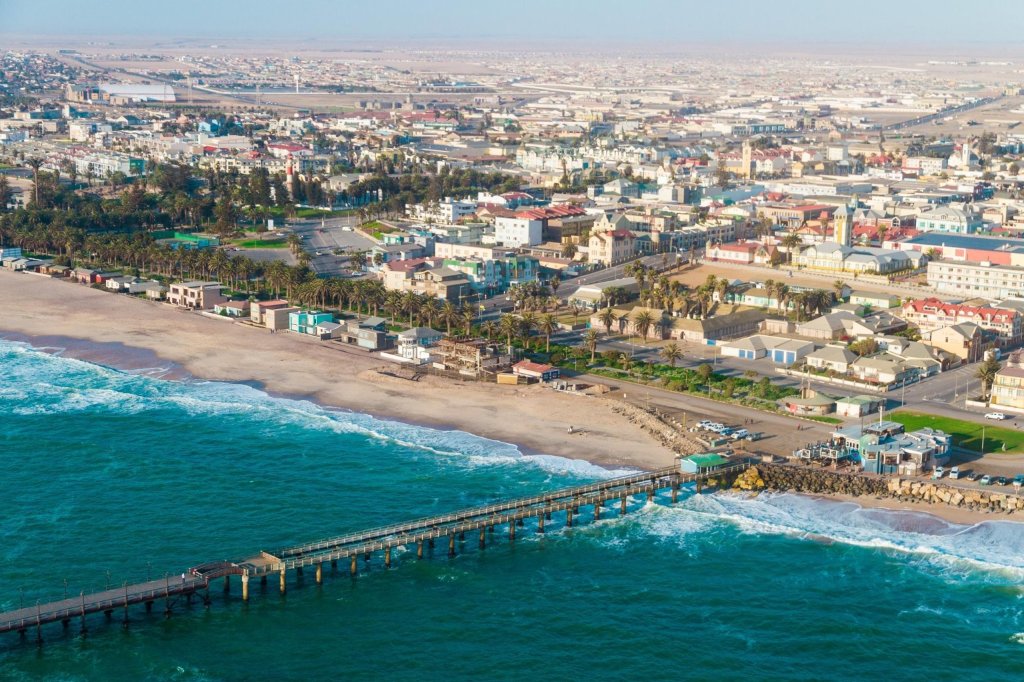
The coastal town of Swakopmund is situated about 200 km from the Skeleton Coast but is a worthwhile destination. Swakopmund is well-known for the Namibian national flower, the Welwitschia, and its so-called moon landscape areas.
5 – Cape Cross
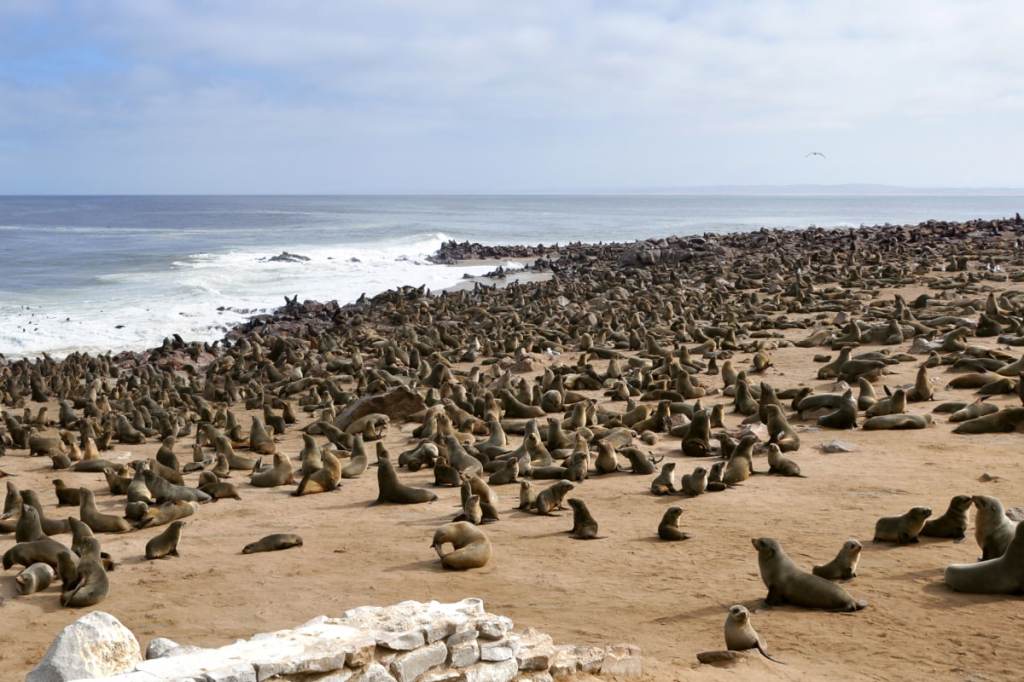
On the west coast of Namibia, you’ll find Cape Cross, a small headland in the South Atlantic, Skeleton Coast. One of the worlds’ largest colonies of Cape fur seals calls Cape Cross home, which is today a protected area and reserve. Visitors will be amazed at the thousands of seals. Wow!
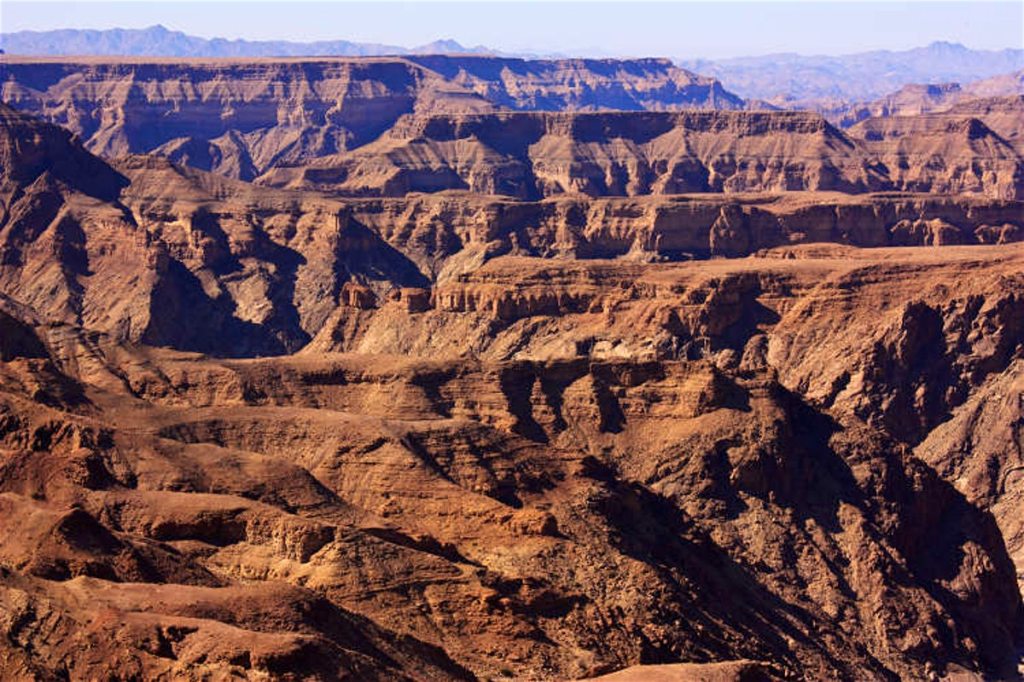
Known as the largest canyon in Africa, the Fish River Canyon of Namibia is a definite must-visit, and can stall among the giants of the world, including the famous Grand Canyon of North America. Situated in the south of Namibia, a mammoth ravine of 160 km (100 miles) runs deep through the dry, stone plateau. The canyon is 27 km wide and at it’s deepest points, 550 m deep. The longest river in Namibia, the Fish River (650 km), floods in the summer months and flows intermittently until it joins the Orange River of South Africa, 100 km from the Atlantic Ocean.
3 – Etosha National Park
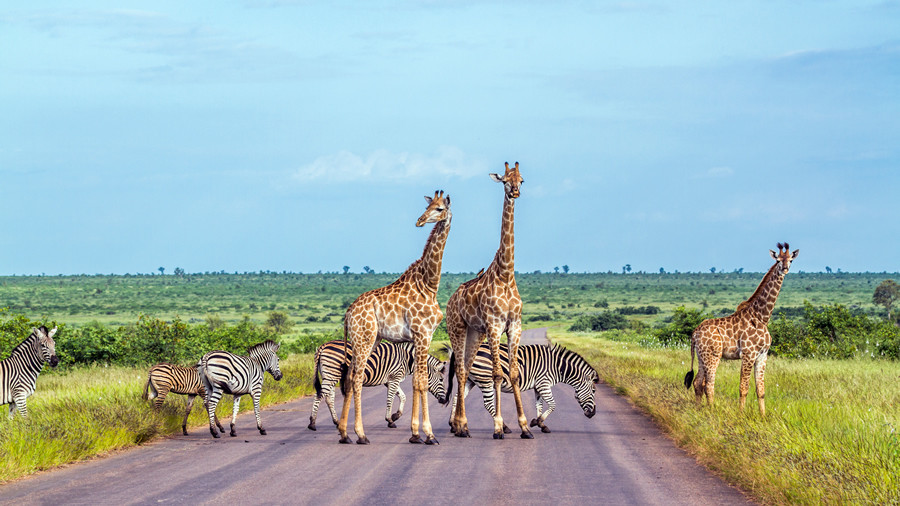
One of the largest salt pans on earth (so big it can be seen from space), is located in the Etosha National Park of Namibia. Situated in the northwest of Namibia, the park covers an area of 22,270 km2, while the Etosha pan area is 4,760 km2, about 130km long, and 50 km wide. Do to hypersaline conditions, few species can survive or live there, but it’s worthwhile to note the discovery of extremophile micro-organisms that live comfortably in the pan’s salty ecosystem. During the summer season that brings rain, the salt pan fills briefly with water but is most often dry. A vast number of wildlife, including endangered animals, can be found at the Etosha National Park. Overall, an amazing experience of peace and tranquility for tourists.
2 – Circles of Namibia
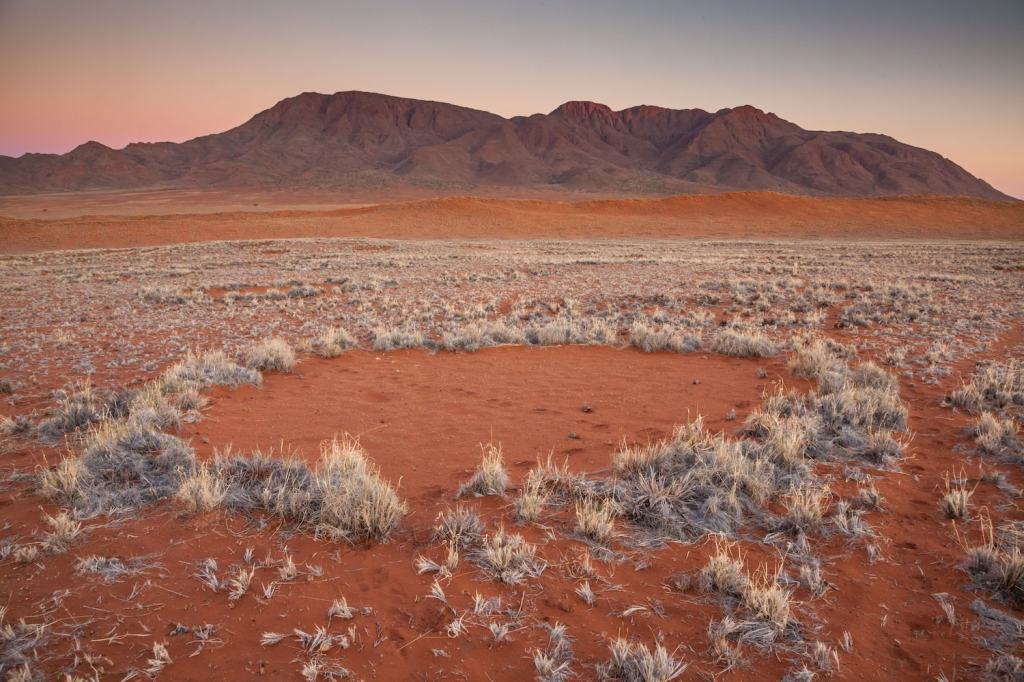
Within the Marienfluss valley of Namibia, the strangest circles can be found that have amazed and puzzled scientists for years. Dubbed the Fairy circles of Namibia, you’ll notice that circular forms line the monospecific grassy landscape in the Marienfluss valley, and is from 2 to 15 meters in diameter. Fairy circles only occur in two places in the world, namely Namibia and Pilbara, Western Australia.
1 – The Namib Desert, Including Sossusvlei, Spitzkoppe & Kolmanskop
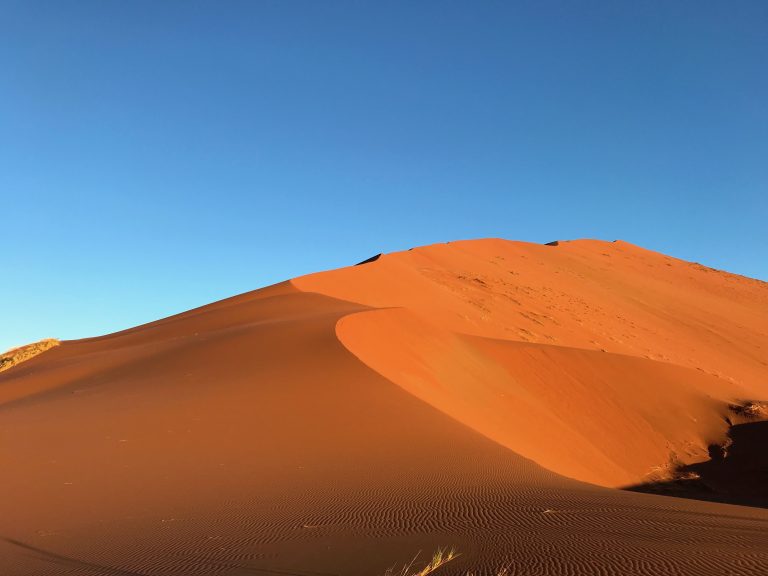
The word Namib is of Khoekhoegowab origin and means ‘vast place’, and rightly so. The Namib desert is a phenomenon and absolute must-see when visiting Namibia. The desert is an astronomical coastal desert that is 2,000 km in length, situated alongside the Atlantic ocean. It stretches over three countries, Namibia, Angola, and South Africa. It’s always been arid in this area, for almost 55 to 80 million years at estimate, and scientists think it might be the oldest desert in the world.
If you want to truly immerse yourself in a trip to Namibia’s famous Namib desert, ensure to set aside between 5 – 10 days since there is a treasure-trove of areas to see. These include visiting Sossusvlei, Spitzkoppe, and Kolmanskop.
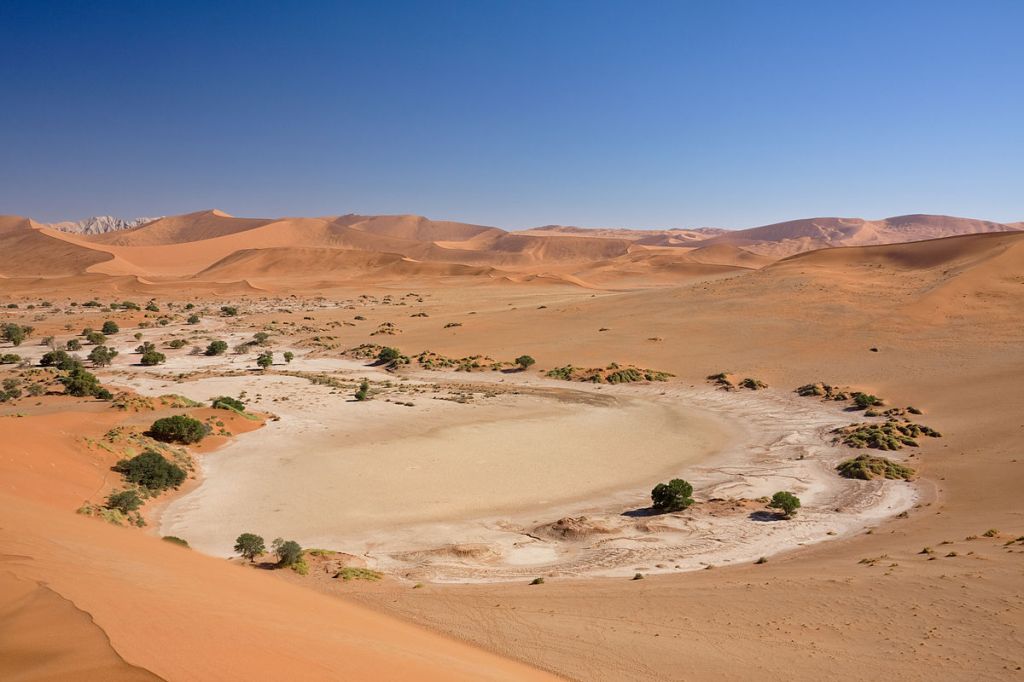
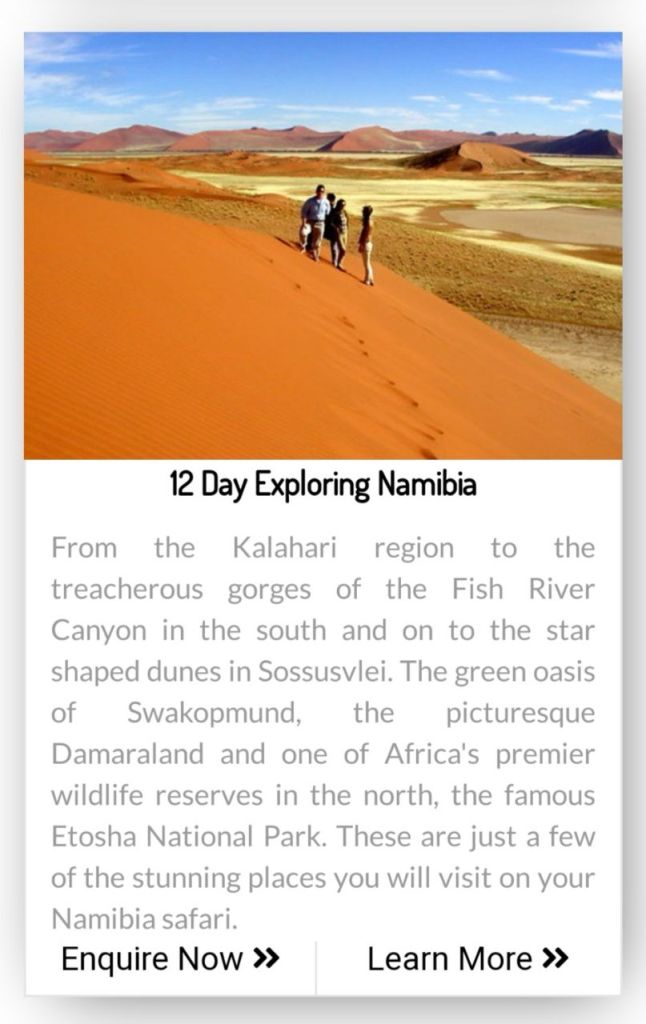
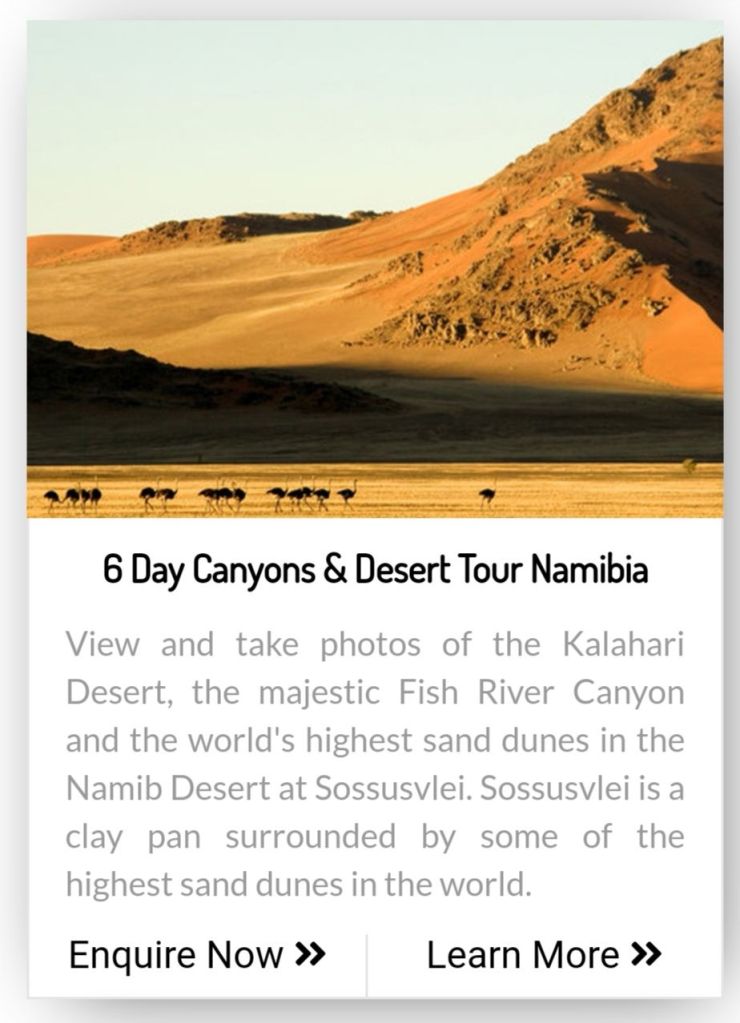
Sossusvlei, often referred to as ‘dead-end,’ is located in Southern Namibia. The area has flat clay pans and is surrounded by some of the highest dunes in the world. The dunes have a unique color ranging from pink to orange and a deep red. The famous Dune 7 is 400 meters in height and a challenge for man and machine. If you are reasonably fit, you can try and walk to the top.
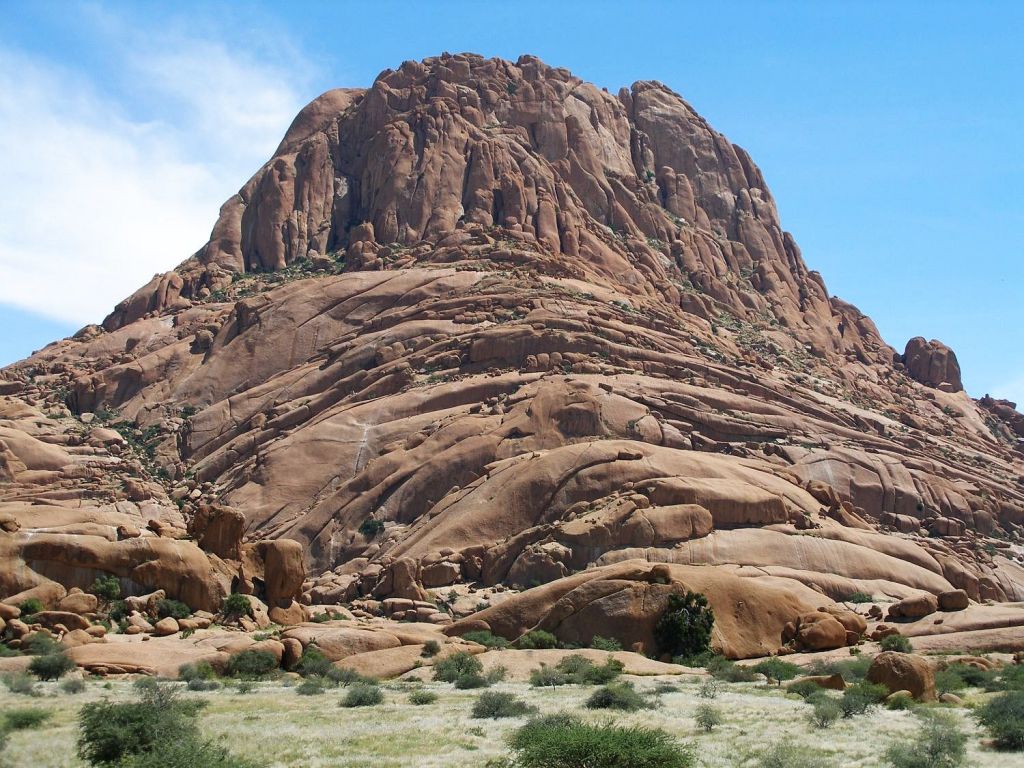
Spitzkoppe, a group of bald granite peaks, (otherwise known as inselbergs), are more than 120 million years old. The highest peak (kop) rises 1,728 meters above sea level and is located between Swakopmund and Usakos in the Namib desert.
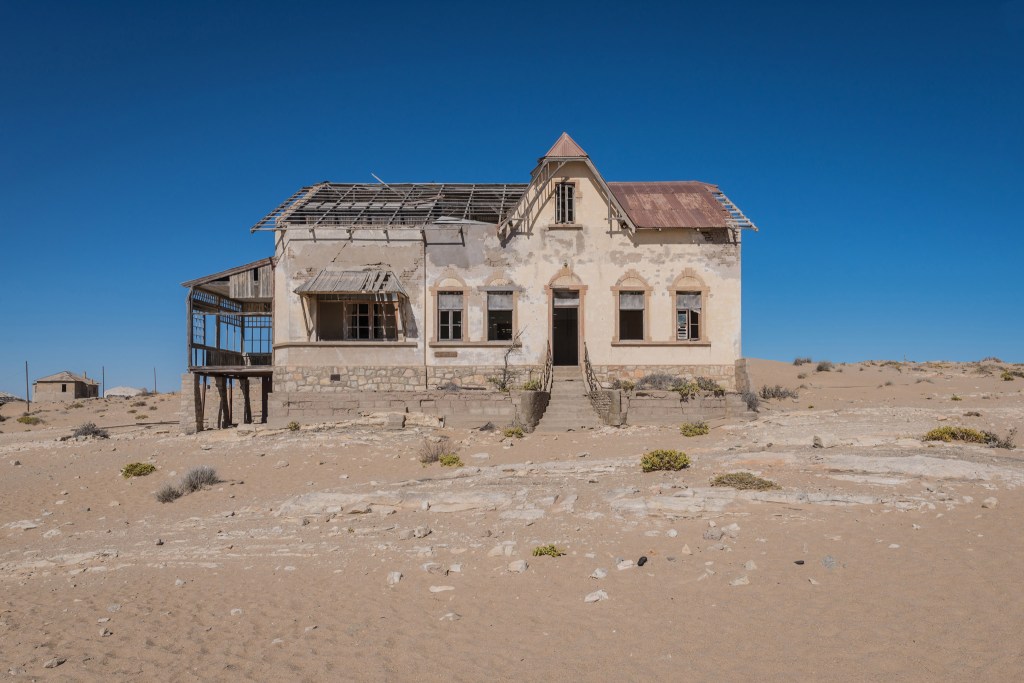
Eerily alone, hauntingly beautiful is Kolmanskop, a ghost town situated between the desert dunes of the Namib desert. Back in the day, it was a prospering mining town, but due to the decline of the diamond field and after World War II, more and more people left. Today, it is one of the top tourist attractions in Namibia while on a safari through the Namib desert.
Other Noteworthy Tourist Attractions in Namibia
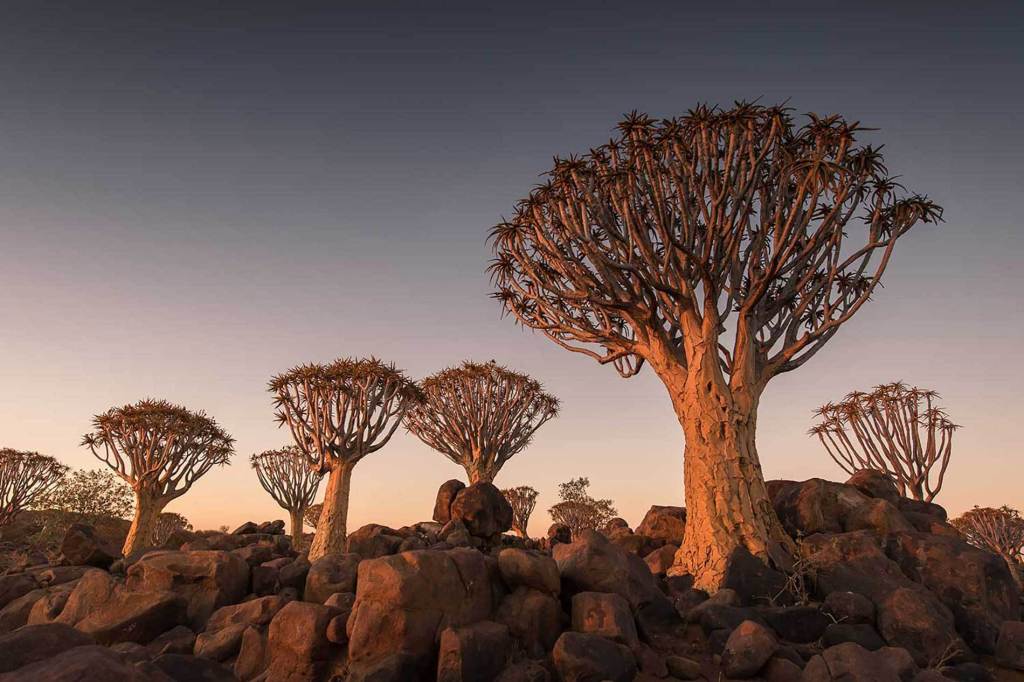
- Quiver Tree Forest
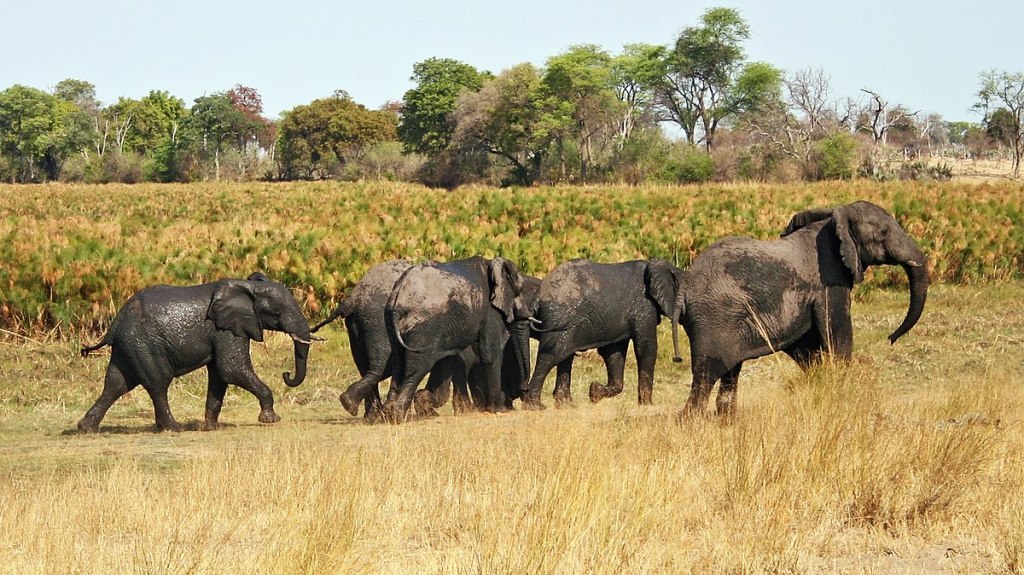
- Bwabwata National Park
- Naukluft Mountains
- Christ Church in Windhoek
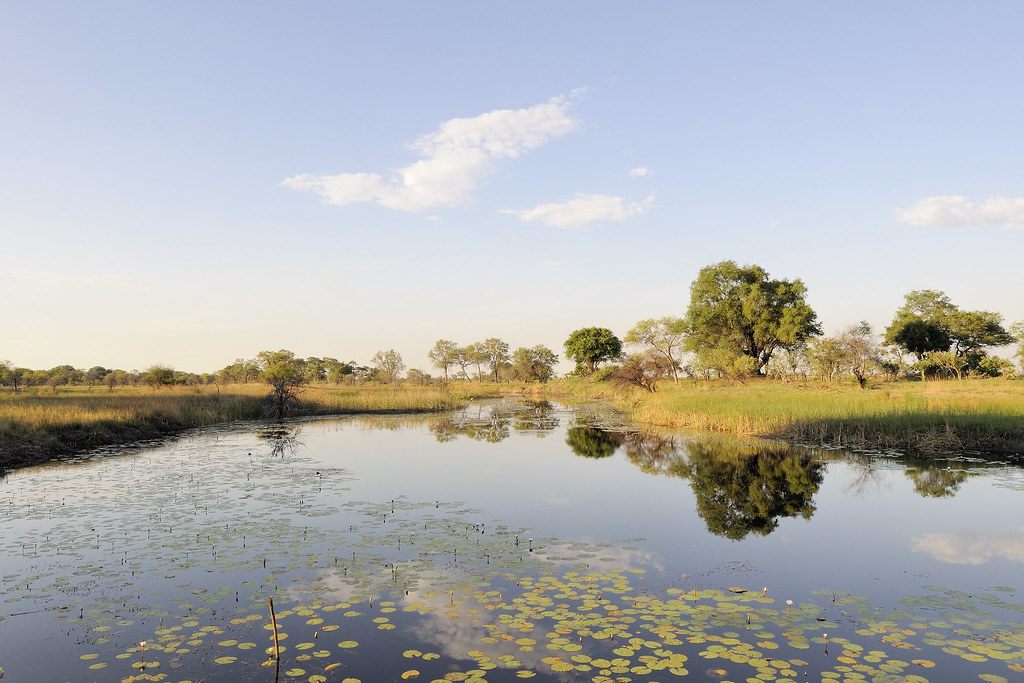
- Nkasa Rupara National Park
- Namib-Naukluft Nationalpark
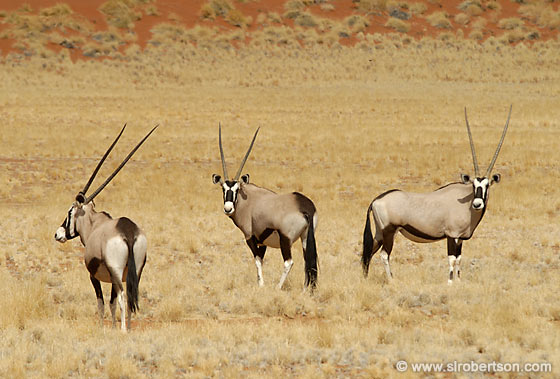
- Deadvlei
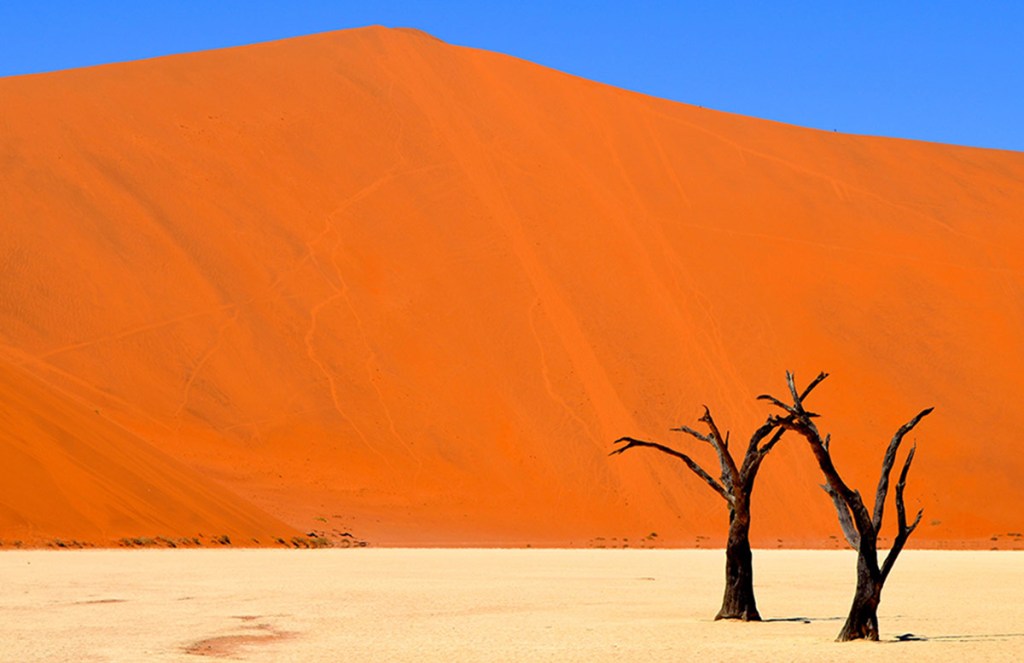
- Waterberg Plateau Park
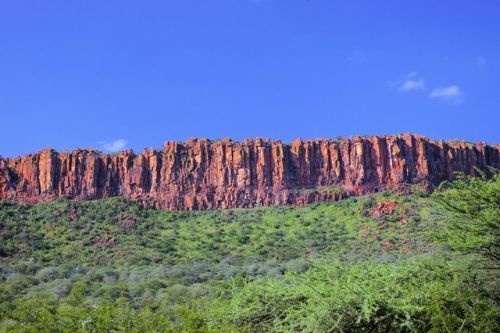
- Brandberg Mountain
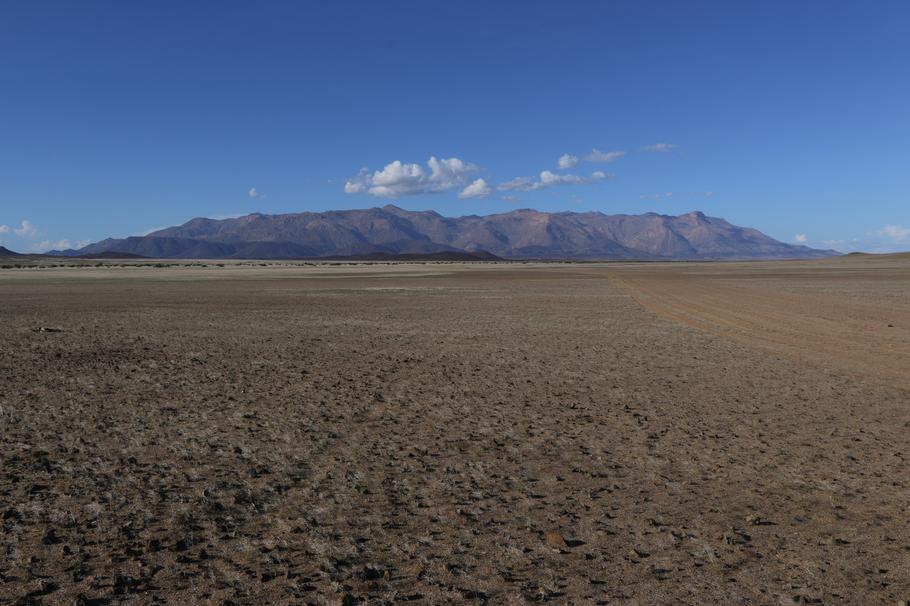
- NamibRand Nature Reserve
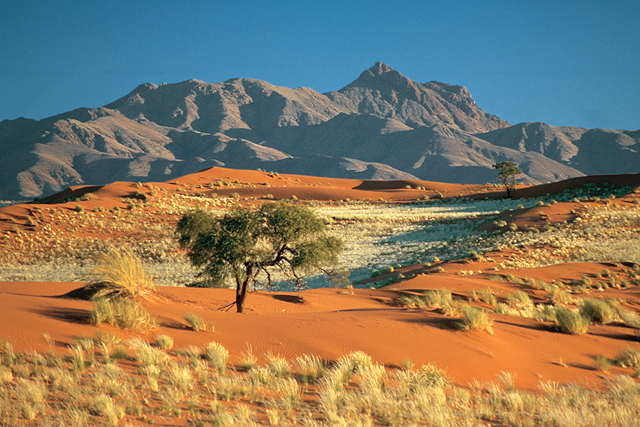
- Muduma National Park
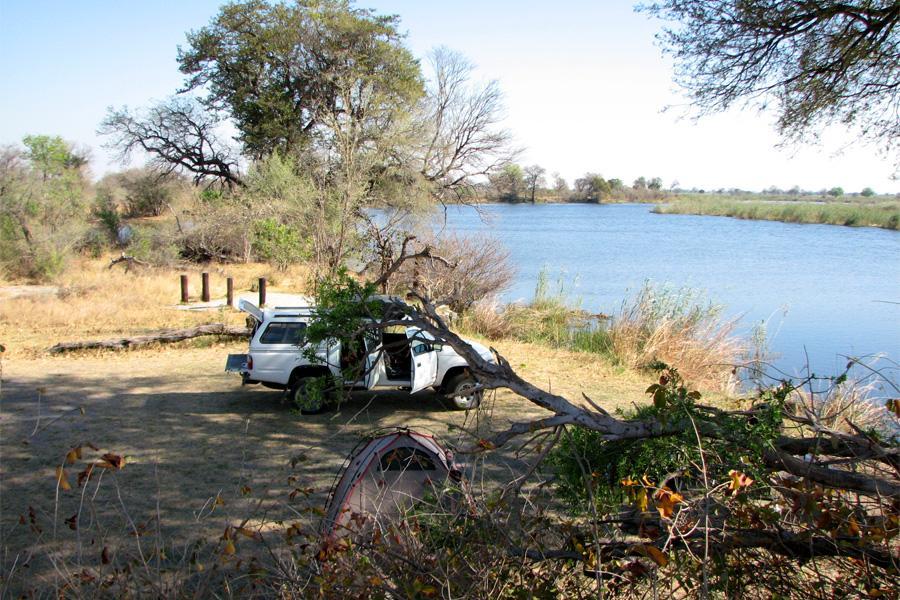
- Sperrgebiet
- Khaudum National Park
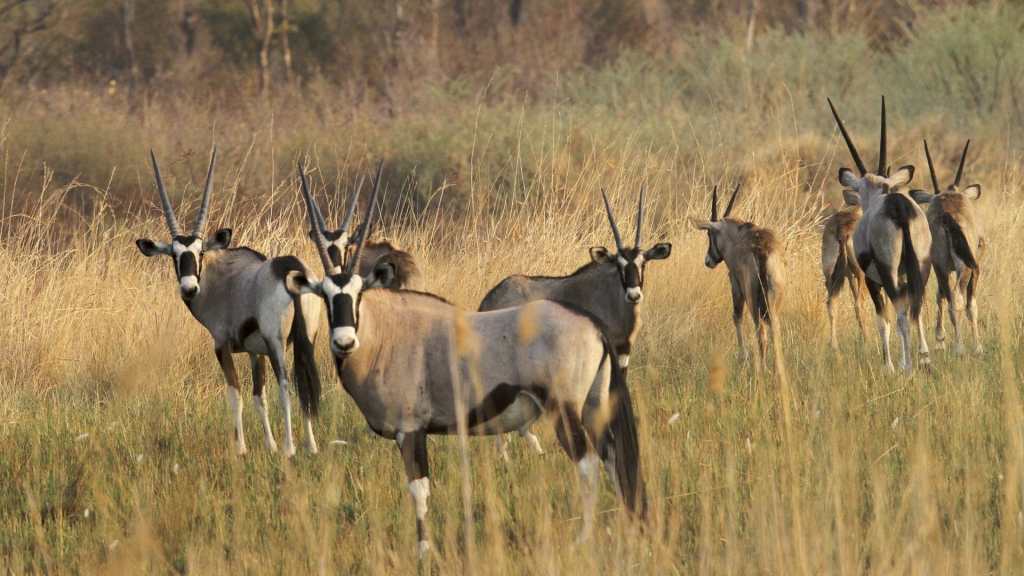
The Top Tours in Namibia
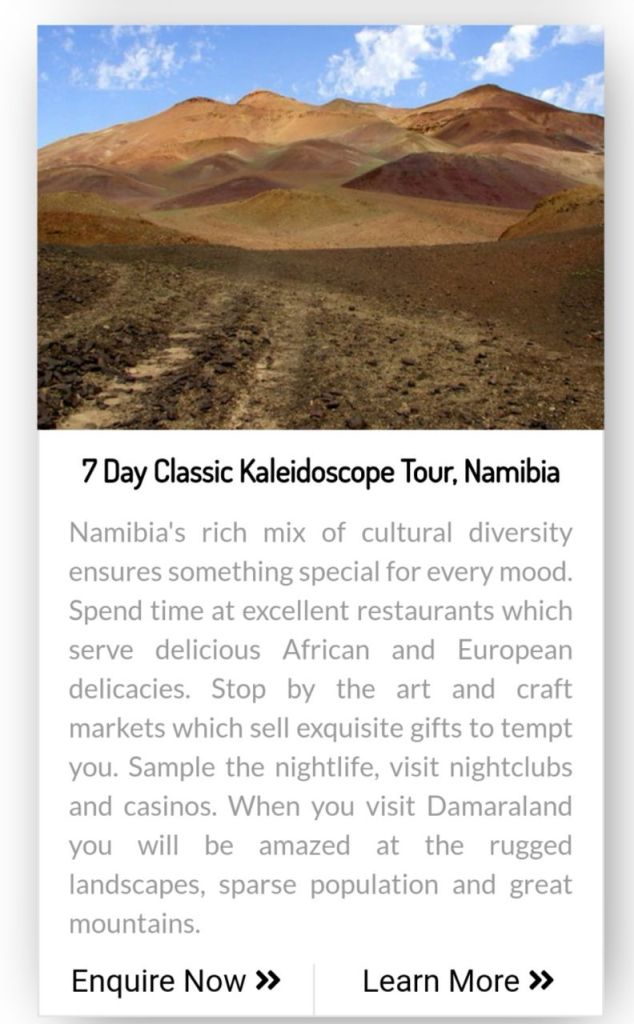
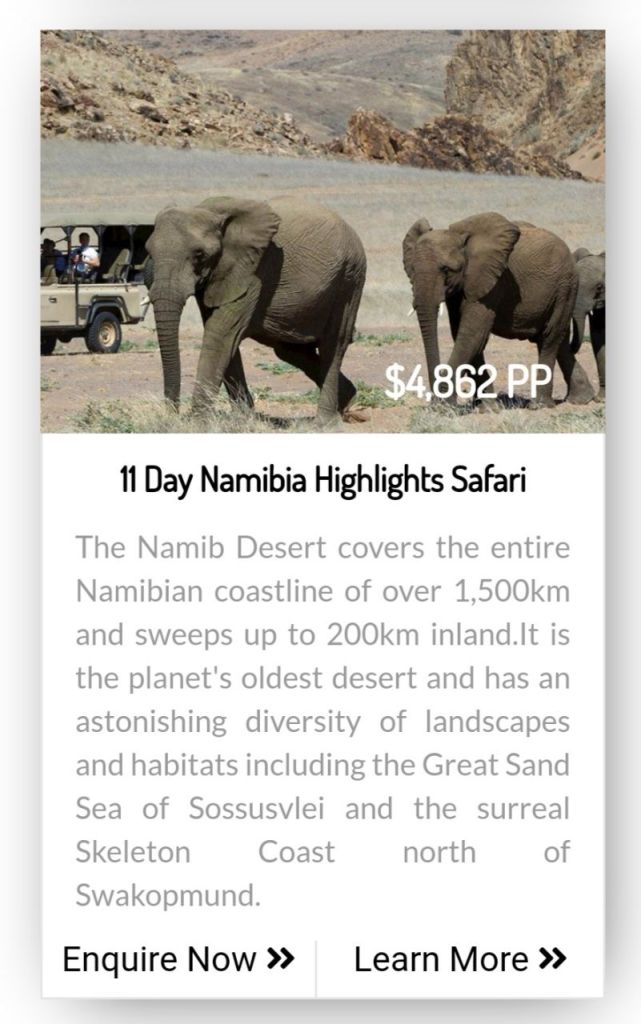
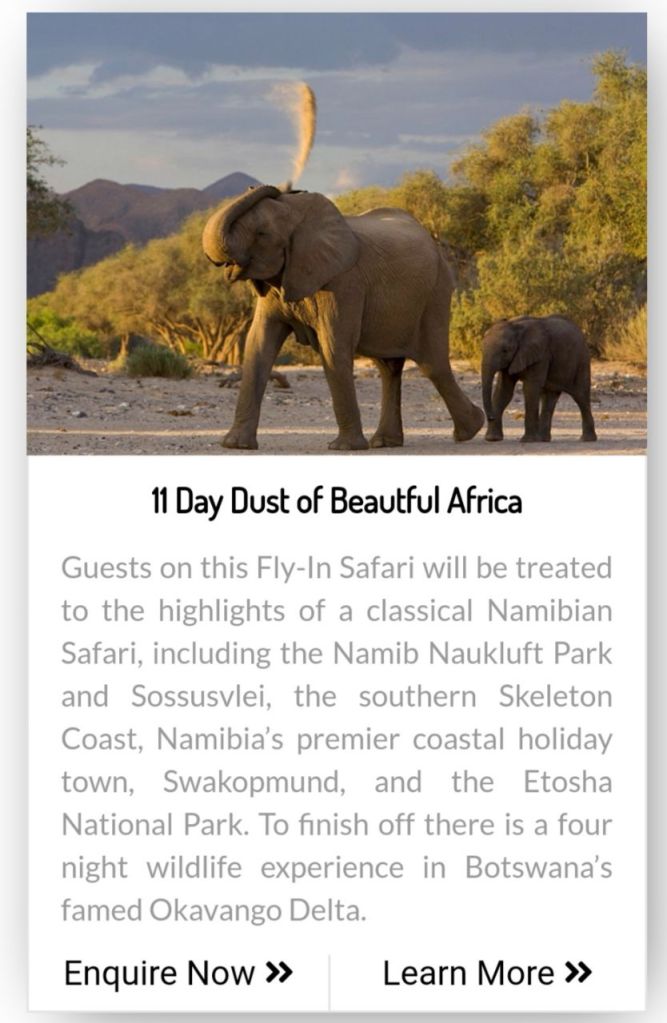
Falcon Safari is one of the leading and most trusted tour operators in Africa. Have a look at any of the Falcon Safari tour packages operated by Falcon Safari to Namibia listed below:
 Falcon Safaris Blog