Tag Archives: safari

Travel Zambia – Top Tourist Attractions in Zambia, Zambia Facts & Best Zambia Travel Information

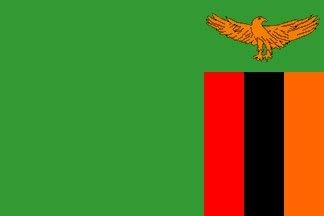
The Zambia Flag
Zambia Population: 17.09 Million (Population Growth 3%) – 2017
Zambia Capital: Lusaka
Zambia GDP: US$25.8 Billion (2017)
Zambia Currency: Kwacha (US$1 = ZMW15.28 (As at 08.03.20) (USD Preferred)
Zambia Time Zone: CAT (GMT+2)
Zambia Driving Side: Left
Zambia Calling Code: +260 –
Language: English

Zambia, with a mostly mild subtropical climate, is regarded as one of the pearls of Africa. Its a country with a natural friendliness that always welcomes tourists.

Zambia is located on a high plateau, with the lowest point above sea level being the Zambezi River to the south, at 329 meters. The highest point is the sandstone Mafinga Hills in the Northeastern part of the country at 2,339 meters.  In between are a myriad of tourist attractions.

A SHORT-COMPREHENSIVE GUIDE TO TRAVEL ZAMBIA

Where is Zambia?

Zambia is a landlocked country in the middle of Central and Southern Africa. Zambia shares borders with no less than eight countries: Mozambique (East), Malawi and Tanzania (North and East), the DRC (North-West), Angola, and Namibia (Westwards) and Zimbabwe and Botswana to the South. Zambia’s capital city is Lusaka, with a bustling international airport.

5 Interesting Facts of Zambia

  • Zambia has unique borders with eight countries. That is the second most in Africa. Only the DRC has more with nine.

  • When you think of Zambia, the Victoria Falls springs to mind, but the country has another 17 spectacular waterfalls.
  • Zambians, with the help of international pressure, negotiated a bloodless independence gained on 24 October 1964, a unique occurrence in Africa in the sixties.

  • Zambia is home to the ‘Inzwa,’ the flying termites which provide spectacular displays during rainfalls. Other termite species built enormous mounds, some of the biggest in Africa.

  • Zambia has abundant copper reserves (70% of Africa’s reserves), which is their main export product. Zambian copper exports equal to US $6.8 million of Zambia’s income and form some 75% of the country’s export.

Visa for Zambia

It is advisable to get a visa BEFORE traveling to Zambia. Visas are available from Zambian missions overseas, or you may apply online at the following web address: https://eservices.zambiaimmigration.gov.zm/#/app/services/Visa

Processing time: 3 to 5 working days

Visa for Zambia – Exempt Countries

Validity: Visitors who hold ordinary, valid passports and originate from any of the below-listed countries can enter Zambia without a visa. Your passport will need to have at least two blank pages.

Anguilla Antigua and Barbuda Bahamas Barbados Belize Bermuda Botswana Cayman Islands Channel Islands Cyprus Dominica Dominican Republic El Salvador Falkland Islands Federated States of Micronesia Fiji French Guiana Gibraltar Grenada Guadeloupe Ireland Isle of man Jamaica Kenya Kiribati Lesotho Malawi Malaysia Maldives Malta Marshall Islands Martinique Mauritius MayotteMontenegro Montserrat Mozambique Namibia Nauru Niue Norfolk Island Palau Pitcairn Islands Reunion Romania Ross Dependency Saint Helena Saint Kitts and Nevis Saint Lucia Saint Vincent and Grenadines Samoa Seychelles Singapore Solomon Islands South Africa Suriname Swaziland Tanzania Tokelau Tonga Trinidad and Tobago Turks and Caicos Island Tuvalu Uganda Vanuatu Virgin Islands Zimbabwe

Visa for Zambia – Validity & Cost

Validity:

  • Single visas are valid for 90 Days.
  • Double and multiple visit visas are also valid for 90 days.
    (The exception is for USA citizens who will enjoy validity of 3 years.)

Cost:

  • Single and transit visas: US $50 (Transit visas are only applicable to land transits.)
  • Double and multiple visas: US $80
  • Day Trippers: US $20 (For Victoria Falls visitors, residing in Zimbabwe, etc.)
  • KAZA Uni-Visa: US $50 (Details below)

Visa for Zambia – Visit Visa Prior To Arrival

Tourists from the following countries will require a visa PRIOR to arrival:

Afghanistan Albania Algeria Armenia Azerbaijan Bahrain Bangladesh Benin Bulgaria Burkina Faso Cameroon Central African Republic Chad China Côte d’Ivoire Egypt Equatorial Guinea Ethiopia Gabon Gambia Guinea Guinea-Bissau India Indonesia Iran Iraq Jordan Kosovo Kuwait KyrgyzstanLebanon Liberia Libya Mali Mauritania Morocco Nepal Niger Nigeria North Korea Oman Pakistan Papua New Guinea Philippines Qatar Saudi Arabia Senegal Sierra Leone Somalia South Sudan Sri Lanka Syria Taiwan Tajikistan Timor-Leste Togo Tunisia Turkmenistan Uzbekistan Yemen
Countries to apply for vis

Zambia Entry Points

The main entry points into Zambia are:

  • Lusaka, with its large international airport, is the main entry point for inland tourists.
  • Tourists that intent to visit the Victoria Falls only, are advised to take a direct flight to Livingstone 470 km to the south, to avoid daily Lusaka traffic congestion.
  • Victoria Falls Bridge – Applicable to day-trippers that want see both sides of the Victoria Falls.

Visa for Zambia – African Passport Holders

The government of Zambia is said to soon introduce a ‘Visa on Arrival’ to all African passport holders. African passports will be issued to citizens of most of the 55 African countries on the African continent. The need for Africans to obtain a visa will be phased out. This initiative is similar to the European Union and was first launched on 17 July 2016 in Kigali, Rwanda.

Visa for Zambia – The New KAZA UNIVISA

Launched on 28 November 2014, the KAZA UNIVISA is a tourist visa that allows tourists to visit both Zambia and Zimbabwe with one visa, multiple-entry. The cost of the KAZA UNIVISA costs $50 and covers entry for the famous Okavango Zambezi Transfrontier Conservation Area (KAZA TFCA) that covers 5 African countries, Angola, Botswana, Namibia, Zambia, and Zimbabwe. Apply for your KAZA UNIVISA online.

Read More (https://www.zambiaimmigration.gov.zm/kaza-univisa/)

The Capital of Zambia

Lusaka is the capital city of Zambia. The capital city is located in the center of the southern part of Zambia. Lusaka is regarded as a modern, fast-growing city. It is alive with ever-increasing modern shopping malls of South African and European origin and ongoing building projects.

Crime is minimal, but petty theft does occur. The city’s growth attracts people from all over the country. But rest assured, most of them are friendly and are trying to make an honest living by selling their wares on the streets and public markets. The lousy thing probably is that there is no influx control and that the roads and municipal facilities are hardly adequate for a large number of inhabitants. There are no official bus services, but a range of minibus taxis, wrecks, and good dial-up taxis are available from the airport. To avoid getting lost, obtain a city map at the airport before attempting sightseeing with a guide, or travel with your tour guide!

Zambia Population

Zambia has a population estimated at 18.3 million (2020) based on earlier census’s and is ranked at number 65 on the World Population Bank Rankings.

A Short History of Zambia

The first westerner to set foot in what is now called Zambia was the well-known explorer David Livingstone in 1851. He was the first man to see the ‘Mosi-oa-Tunya’ or the later named Victoria Falls and had the town of Livingstone named after him. Cecil Rhodes obtained mining concessions as far back as in 1888, but it only became a British protectorate in 1924.

Lusaka became the capital city in 1935. In 1953 the Central African Federation was formed consisting of Northern and Southern Rhodesia (Zimbabwe) along with Nyasaland (Botswana). Negotiations for independence was completed in 1963. The Republic of Zambia was formed on 24 October 1964 with Kenneth Kaunda as the first President. Today Zambia is a stable country that welcomes tourists from all over the world.

The Best Time to Travel Zambia

The best time to travel Zambia is during the dry months from June to November when it is the best time for game watching. March is a great time for birdwatching, and May probably the best time to visit the Victoria Falls.

How to Travel to Zambia

Tourists can fly directly to the Kenneth Kaunda Airport in Lusaka, Zambia. Lusaka is linked to all major African continental entry points such as Addis Ababa in Ethiopia, Nairobi in Kenya, and Johannesburg, South Africa. Most of the world’s major airlines have flights or link-ups to these airports regularly. Most African airways have flights directly to Livingstone for those tourists who are only on their way to the Victoria Falls.

Is Zambia Safe to Travel?

Zambia, in general, is a safe place to travel, but like any other tourist destination, being a tourist makes you a target for opportunists.

How To Stay Safe While You Travel In Zambia:

  • Travel with a tour guide or a recommended guide. Safety is in numbers.
  • Like most of Southern Africa, load shedding is a part of life. Most tourist destinations have back-up generators. Sill, avoid walking alone in the dark at night; don’t become a mugger’s target.
  • It probably safe to rather avoid the Zambian and DRC border areas around Lake Mweru. There’s always a chance that the internal conflict in the DRC may spill over the border into Zambia.
  • Malaria and Tsetse Flies are an ongoing problem and a nuisance in certain areas, including the Victoria Falls. Take the necessary anti-malaria medication and have insect repellants at hand.
  • Always be on the alert for con artists and never leave your traveling gear unattended.

Map of Zambia
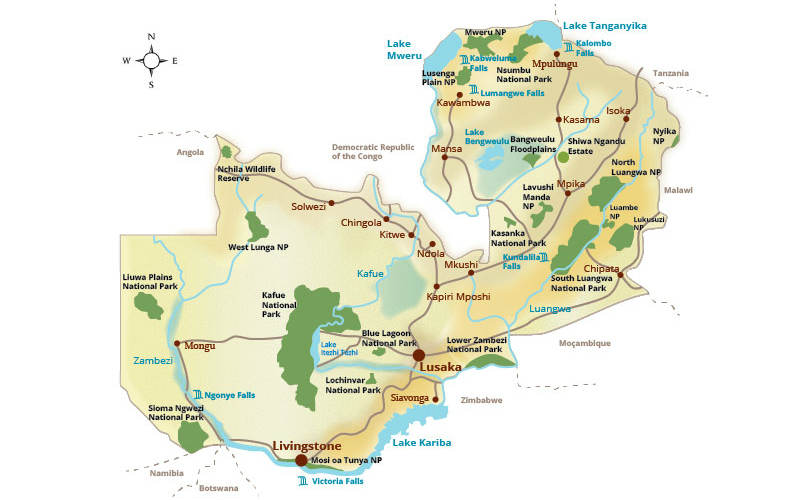
A map of Zambia. Note the location of Lusaka, the capital city of Zambia, with an estimated population of 2.7 million people in 2020.

The Top 10 Tourist Attractions in Zambia

10 – Choma Town And District
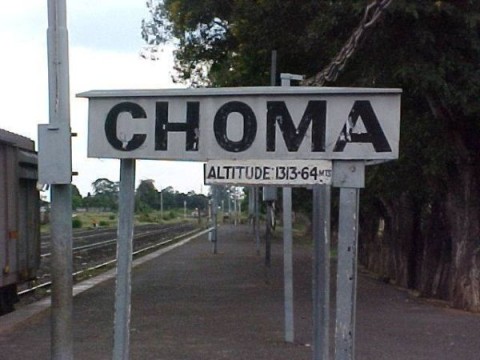
Choma is the hometown of the Tonga tribe in the southern part of Zambia. The town is the commercial hub in the south of Zambia and offers a sizeable market-related industry with a cultural museum. The town and districts provide hiking and biking trails, and farm visits as well as game viewing.

9 – Lusaka
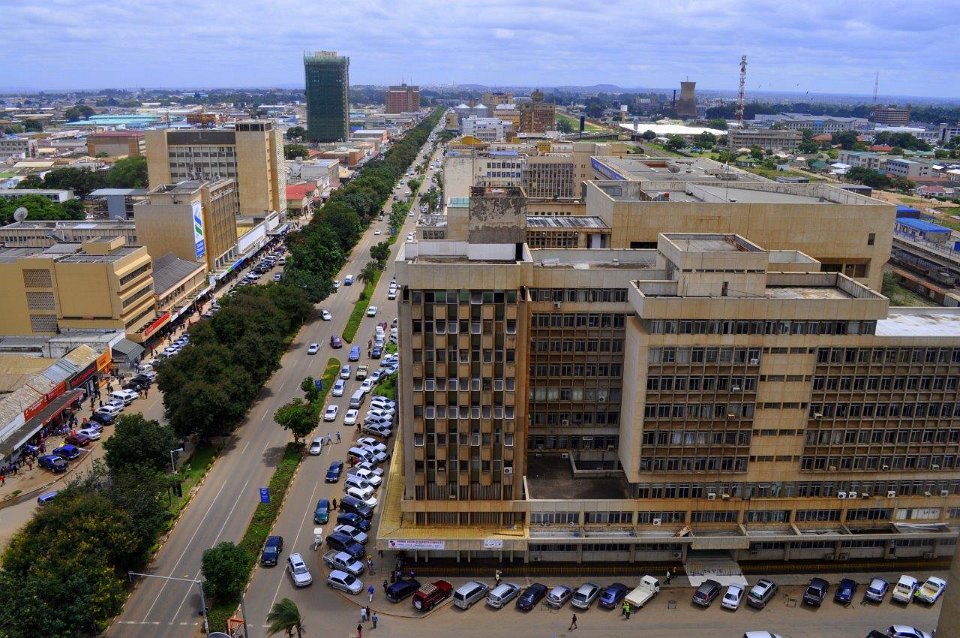
The capital city of Zambia, Lusaka, has a lot to offer tourists such as the National Museum, shopping malls, markets and a visit to the Kalimba Reptile Park, the Lusaka National Park, and the Munda Wanga Environmental Park.

8 – Kasama City & District Tour
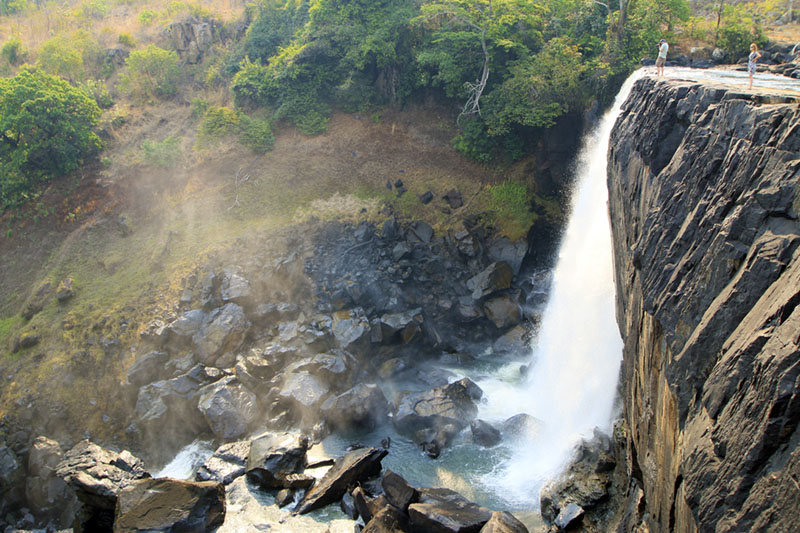
Kasama is the capital city of Northern Zambia and home to the Bemba people. Amongst hiking and biking, tourists can visit the Chishimba waterfalls where quarreling is forbidden, the Mwela Rock Paintings, and the Chambeshi Monument.

7 – Lower Zambezi National Park
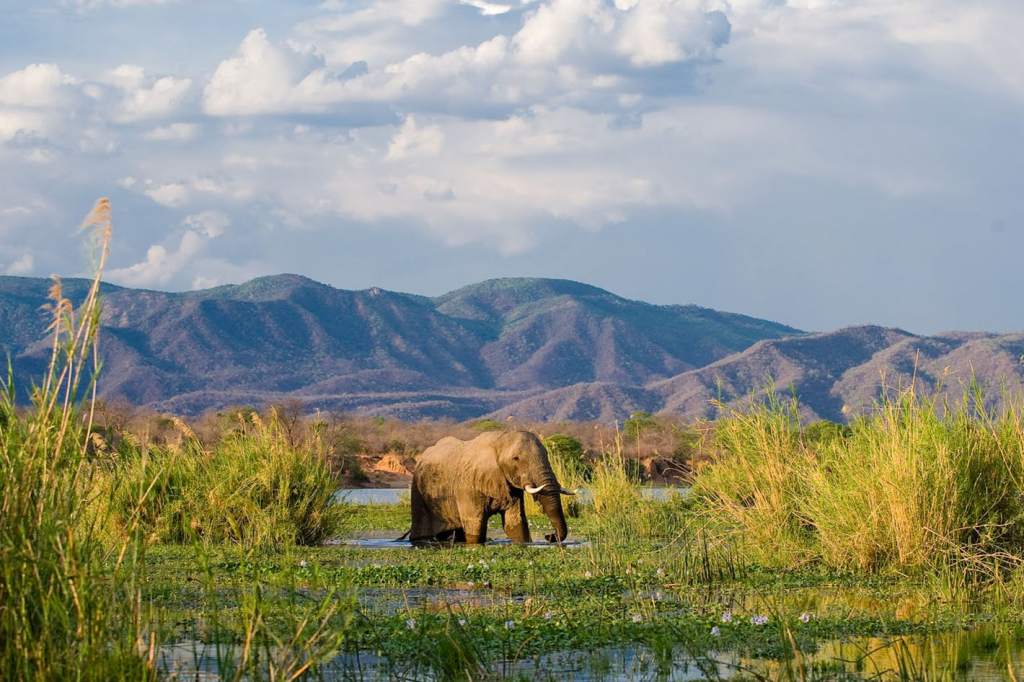
The Lower Zambezi National Park is located on the banks of the Zambezi River in the remote eastern part of Zambia. Wildlife viewing and boat and canoe trips are among the favorite activities available to tourists. The park is known for its large elephant herds and some 400-bird species.

6 – Liuwa Plain National Park
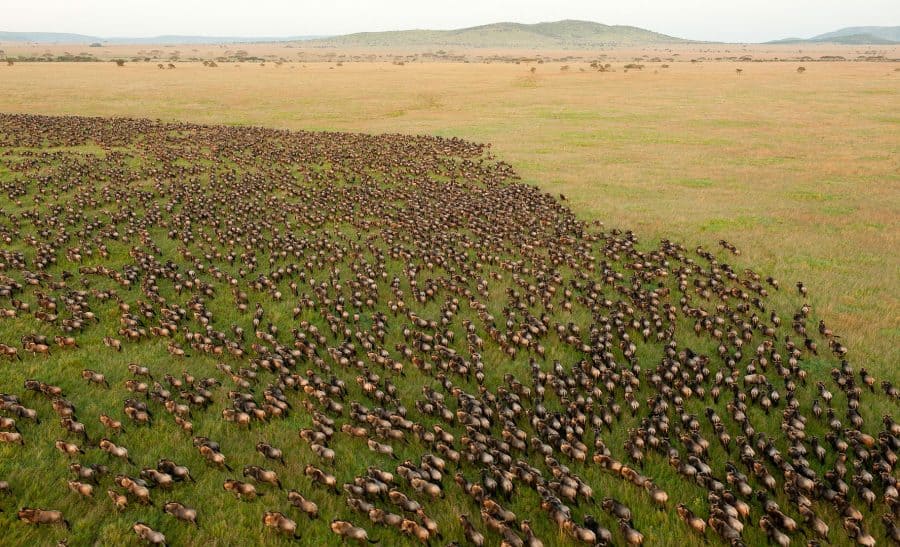
The Liuwa Plain National Park differs from other parks in Zambia due to its unique location in the beautiful, grassy plains in the northwest. It has a hot tropical climate and is the place to be if you want to see and experience the migration of thousands of Wildebeest.

5 – Blue Lagoon National Park
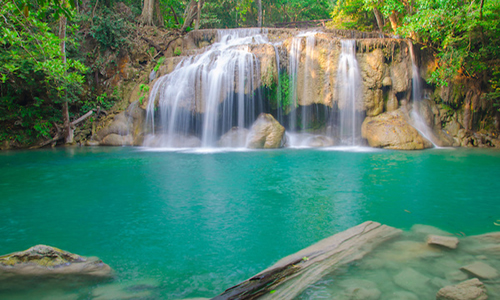
This unspoiled gem of a park was a defense force preserve and only recently opened to the public. Located some 120 km west of Lusaka, the Blue Lagoon National Park, with its vast floodplains, is a birdwatcher’s paradise. Other inhabitants include river pythons that hunt the largest concentration of Lechwe water-loving antelopes.

4 – The Kafue National Park
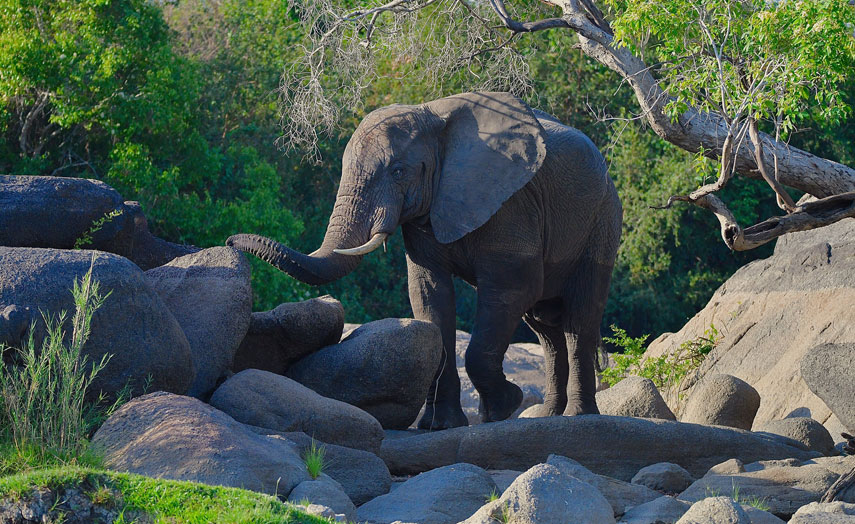
The Kafue National Park is Zambia’s oldest and largest game reserve. Activities include game and bird watching, boat and hiking safaris, as well as hot air balloon flights.

3 – Lake Tanganyika
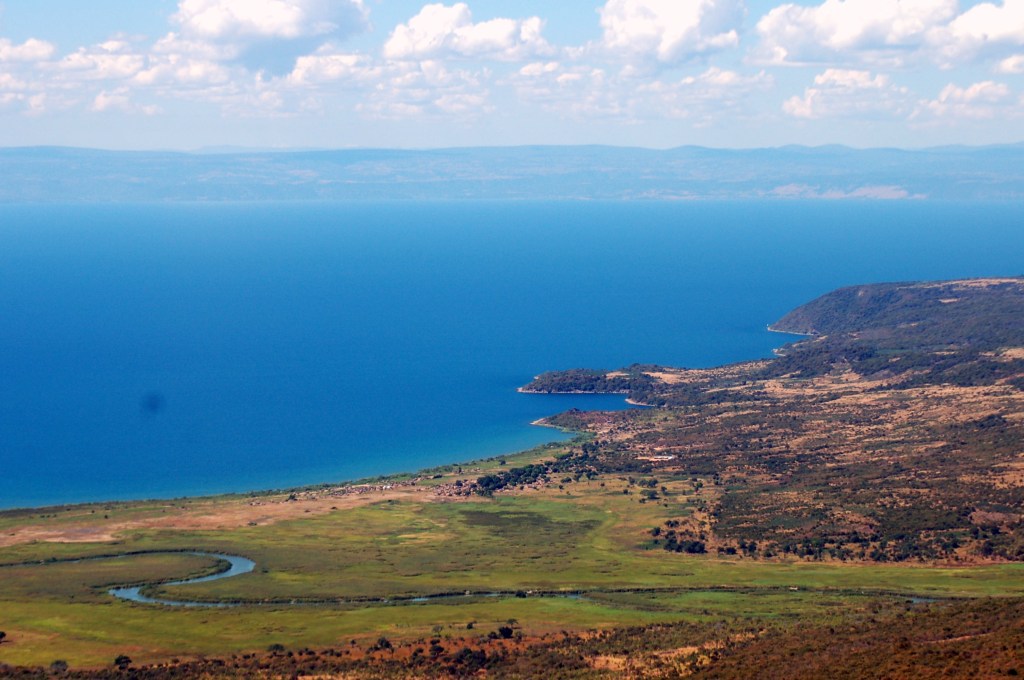
The longest freshwater lake in the world, Lake Tanganyika, is on the northeastern border of Zambia and offers boat trips, fishing, island explorations and game viewing (including crocodiles).

2 – Lake Kariba
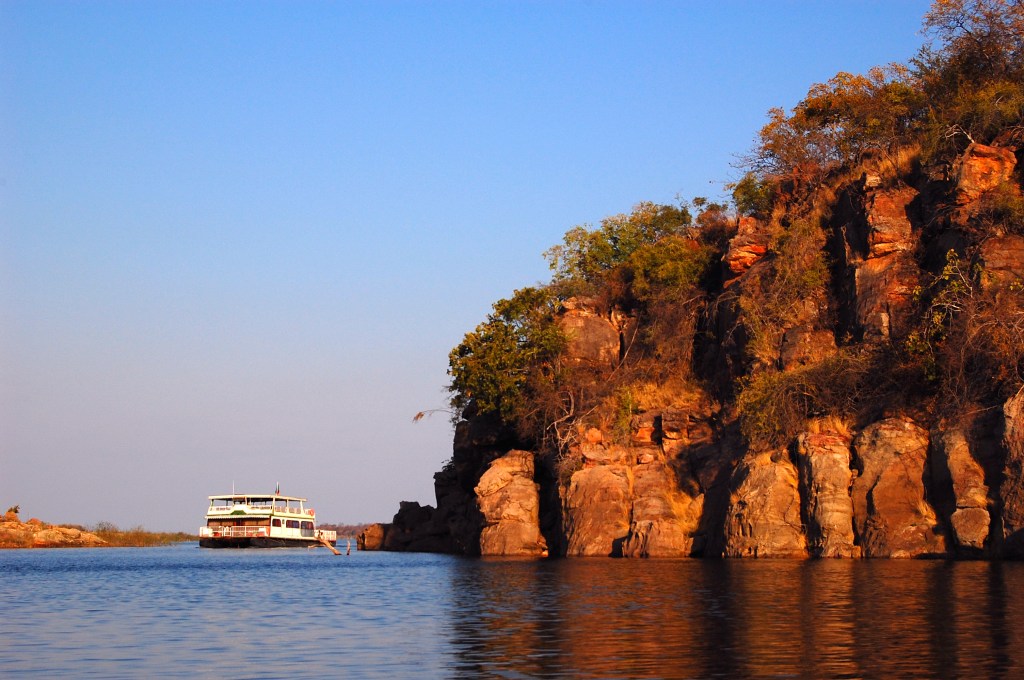
Lake Kariba is the largest human-made lake in Africa and offers a wide range of activities such as houseboat trips, big game viewing, fishing, and watersport.

1 – The Victoria Falls & Livingstone
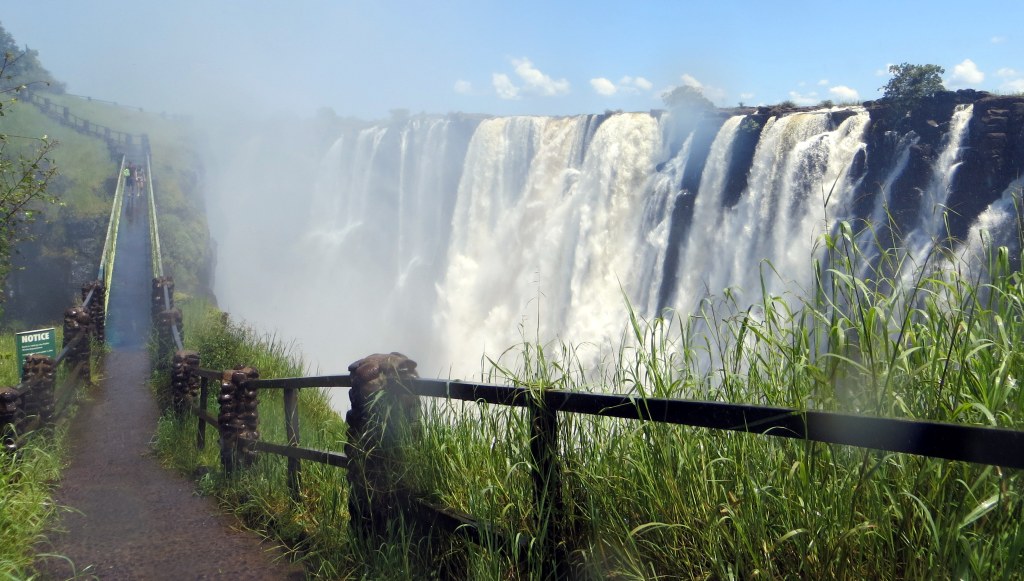
The Victoria Falls and Livingstone are still the number one tourist attractions for visitors to Zambia. Attractions include the Victoria Waterfall, the water spray, the Devil’s Pools, bungee jumping, and helicopter flights. The town of Livingstone in itself has its own set of historic tourist attractions.

Other Noteworthy Tourist Attractions in Zambia
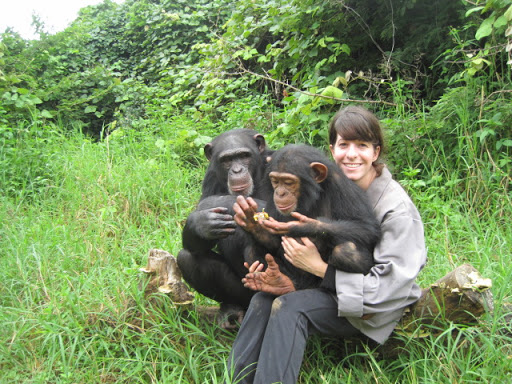
Chimfunshi Wildlife Orphanage – The Chimpanzee sanctuary is located on the Kafue River some 60 km west of Chingola. The orphanage needs the support of tourists for its ongoing existence.
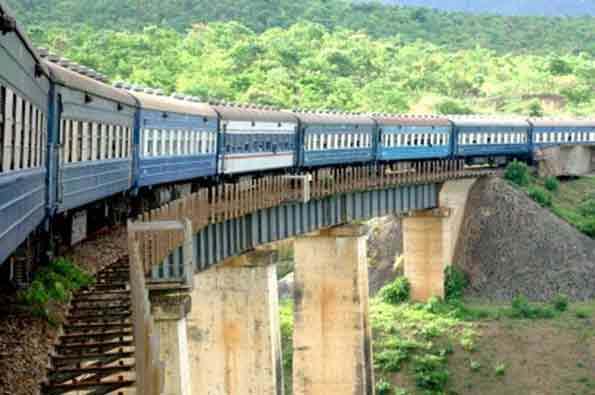
TanZam Railway Tour – This the rail link between Zambia and Dar-Es-Salaam. It’s important to note that the TanZam Railway Tour is not a comfortable or luxurious tourist attraction. Still, you’ll be sure to experience some breathtaking scenery through the Mikumi National Park and Selous Game Reserve.
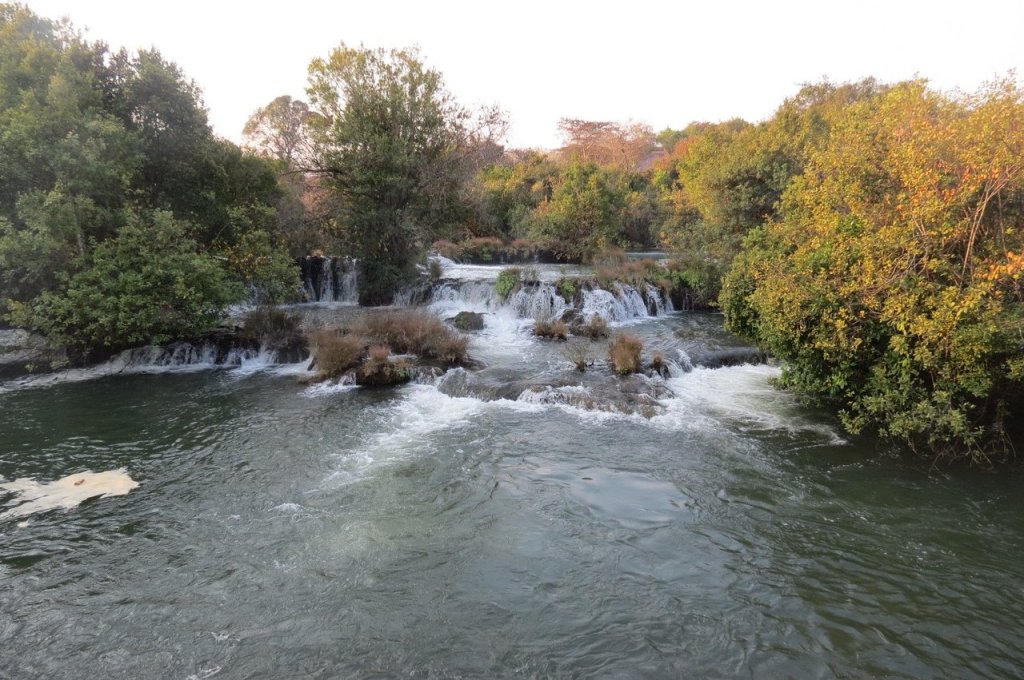
Solwezi – Should you have an interest in archeology, Solwezi is the place to visit. Solwezi is known for its Stone Age rock carvings in the adjacent canyons and caves.
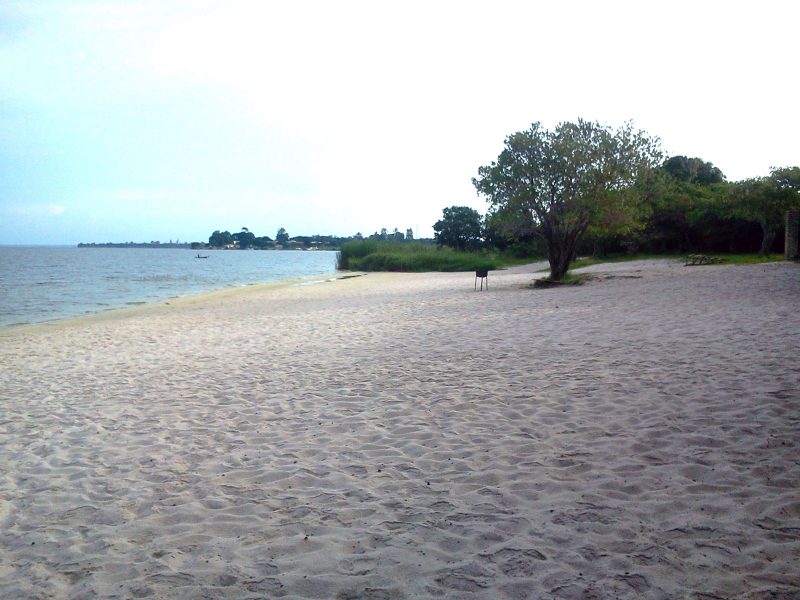
Lake Bangweulu and Samfya Beach – Not your ordinary coastal beach, but a beautiful place to visit never the less. The adjoining extensive wetlands offer game viewing and excellent bird watching opportunities. The water is so pure you can drink it.
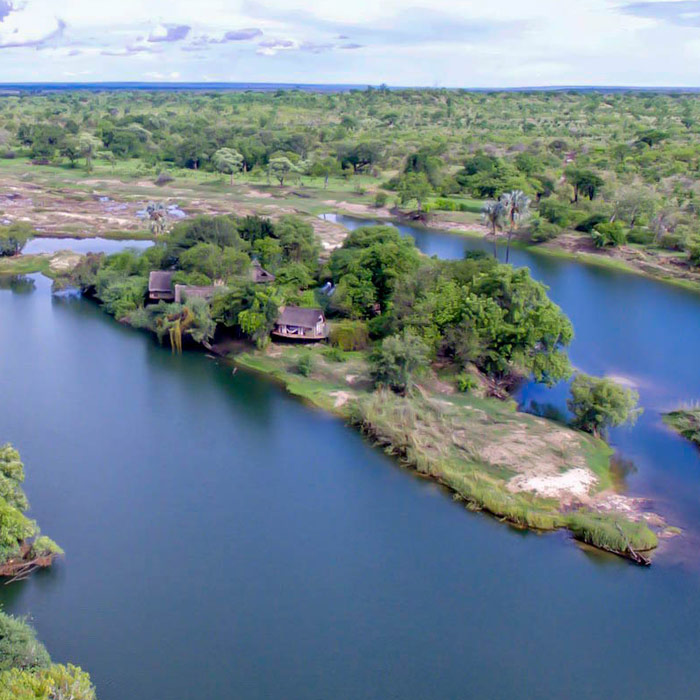
Sindabezi Island and the Tongabezi Resort – Close enough to the Victoria Falls, the small resort offers a discerning experience of nature and the accompanying river wildlife. Romantic dinner trips on a ‘sampan’ (flat bottom wooden boat) will appeal to visitors with love in the heart.
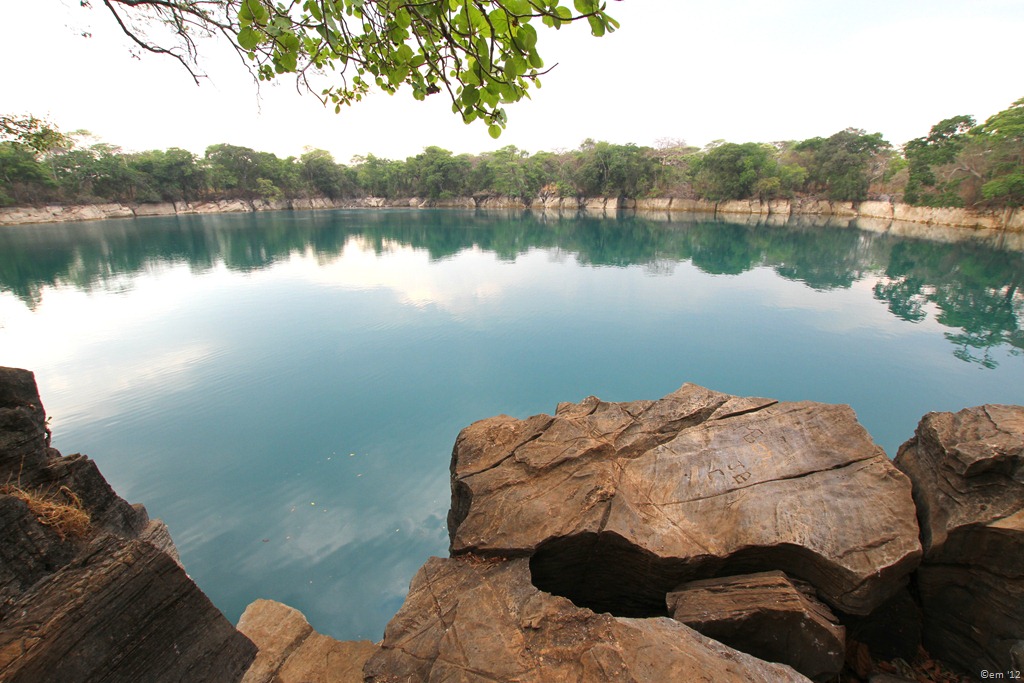
Lake Kashiba (‘Small Lake’) – Lake Kashiba in Zambia is located in the Ndola copper belt. Although it’s known as a scuba divers nightmare (because no one has ever reached the bottom), it is a must-visit for diving enthusiasts.
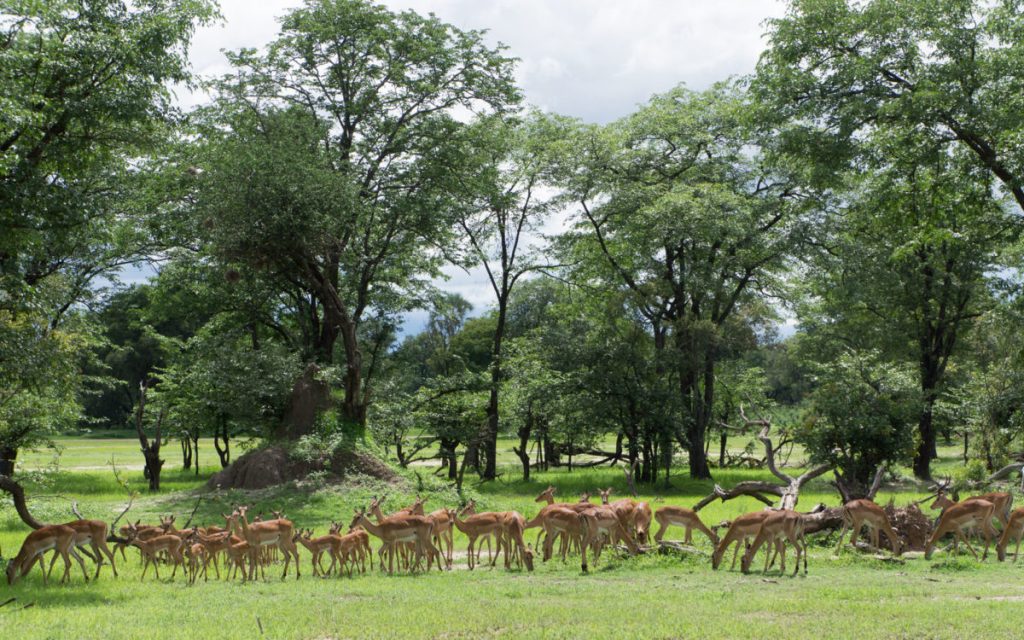
Mosi-oa-Tunya National Park – Located along the upper Zambezi River, the Mosi-oa-Tunya National Park game reserve is a UNESCO world heritage site. It offers excellent opportunities to those armed with a camera only.
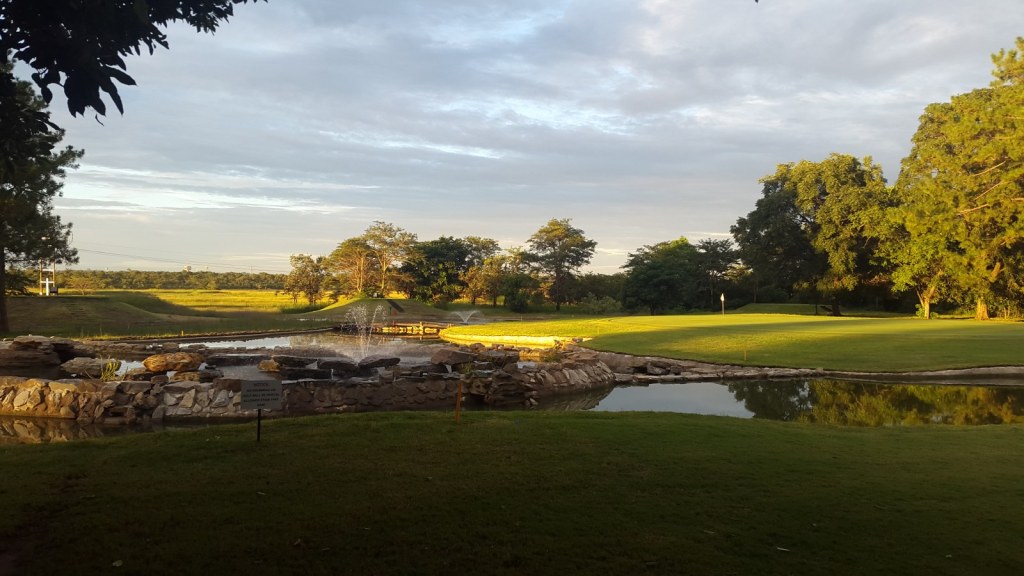
Kitwe – Is the capital of the copper belt Provence, and Zambia’s third-biggest city with a buzzing one million-plus mostly Bemba inhabitants. Kitwe is the main access point to the Mindolo Dam, the Chembe Bird Sanctuary, and the Mwekwera Falls.
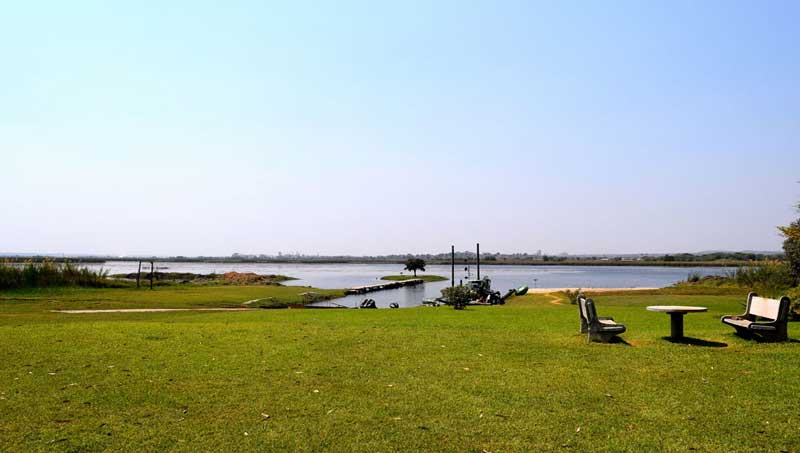
Ndola – The city is also located in the copper belt is the mercantile center of Provence. Places to visit include the Slave Tree with its termite damage, and Lake Chilengwa with its unique absence of a feeding source.
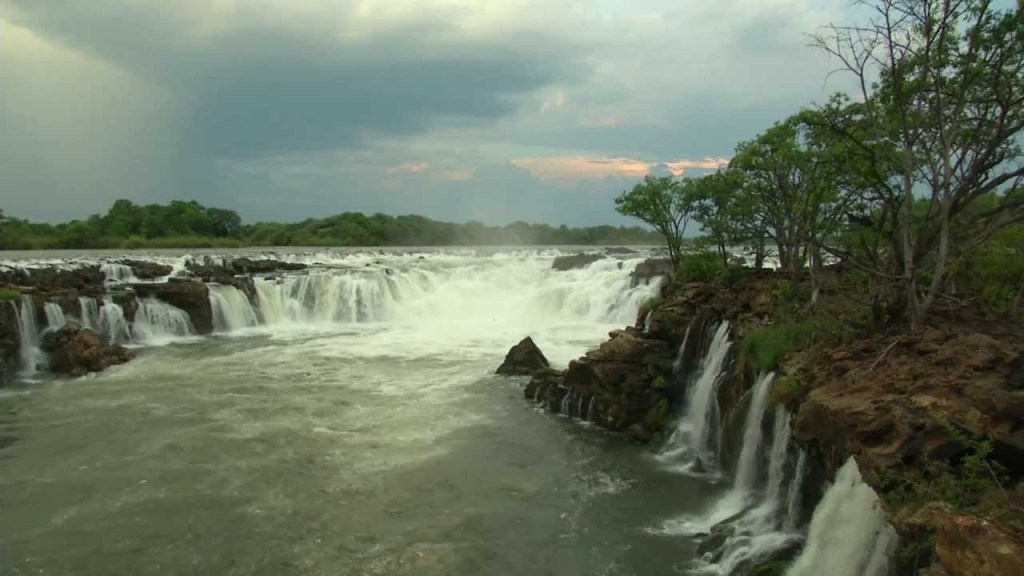
Sioma Ngwezi National Park – Although heavily depleted by ruthless poaching, the Sioma Ngwezi National Park is on an upward curve. Facilities are being upgraded, and the park offers game drives, game walks, and bird watching.

The Top 3 Tours in Zambia

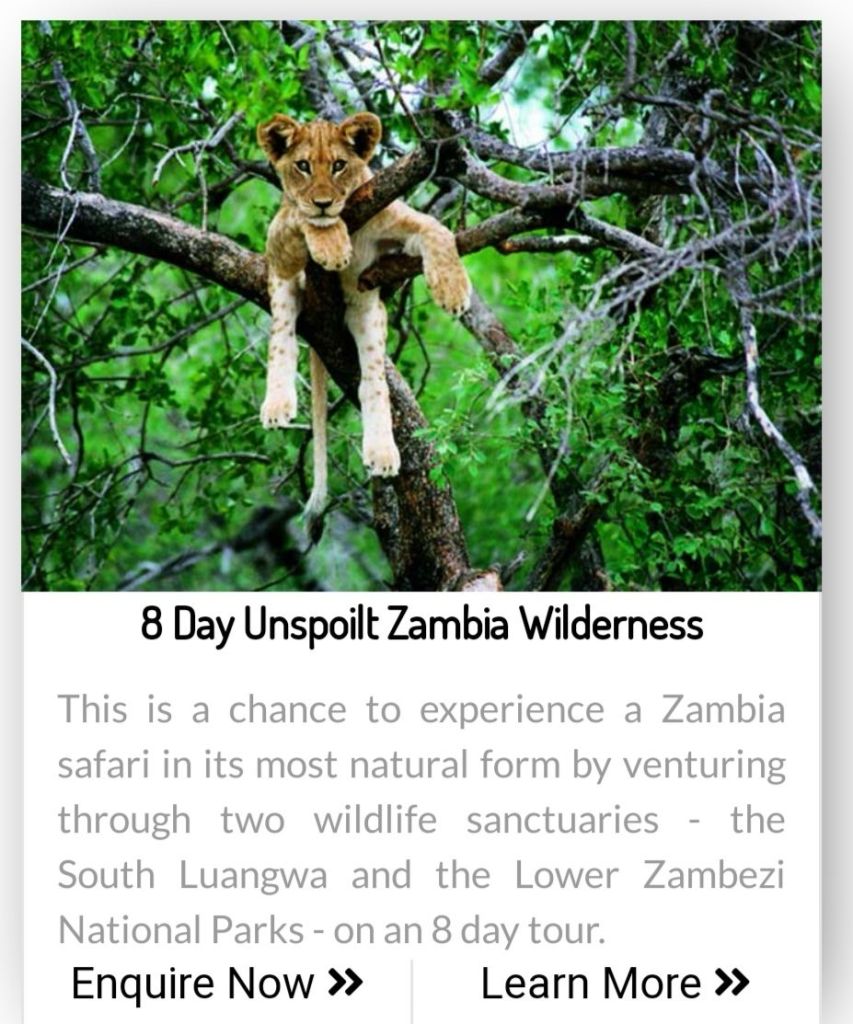
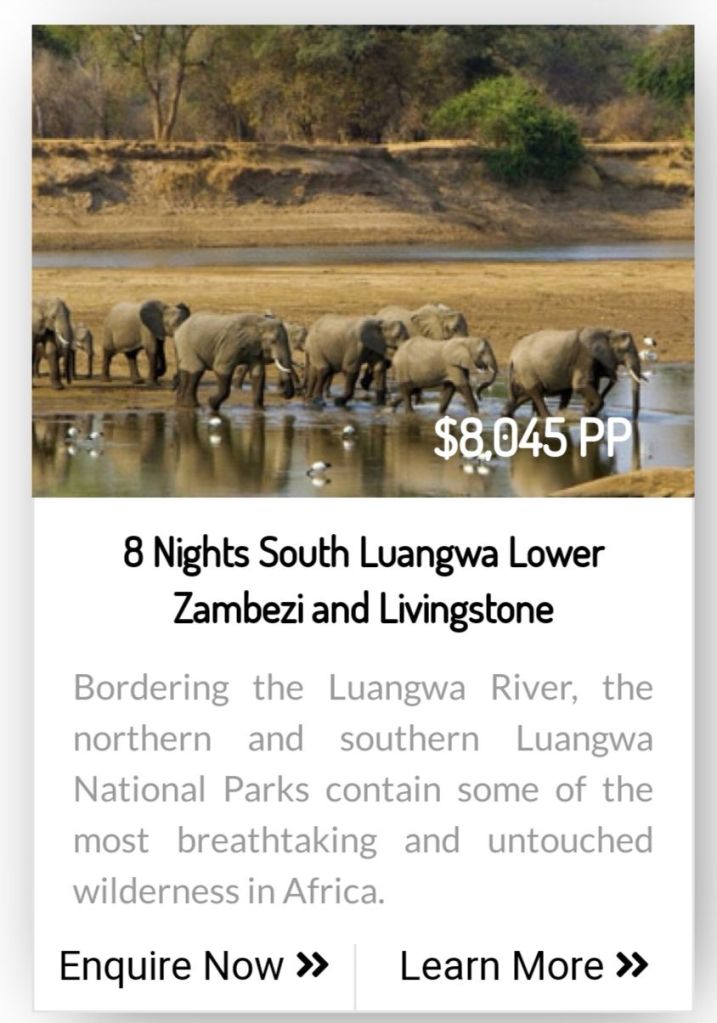
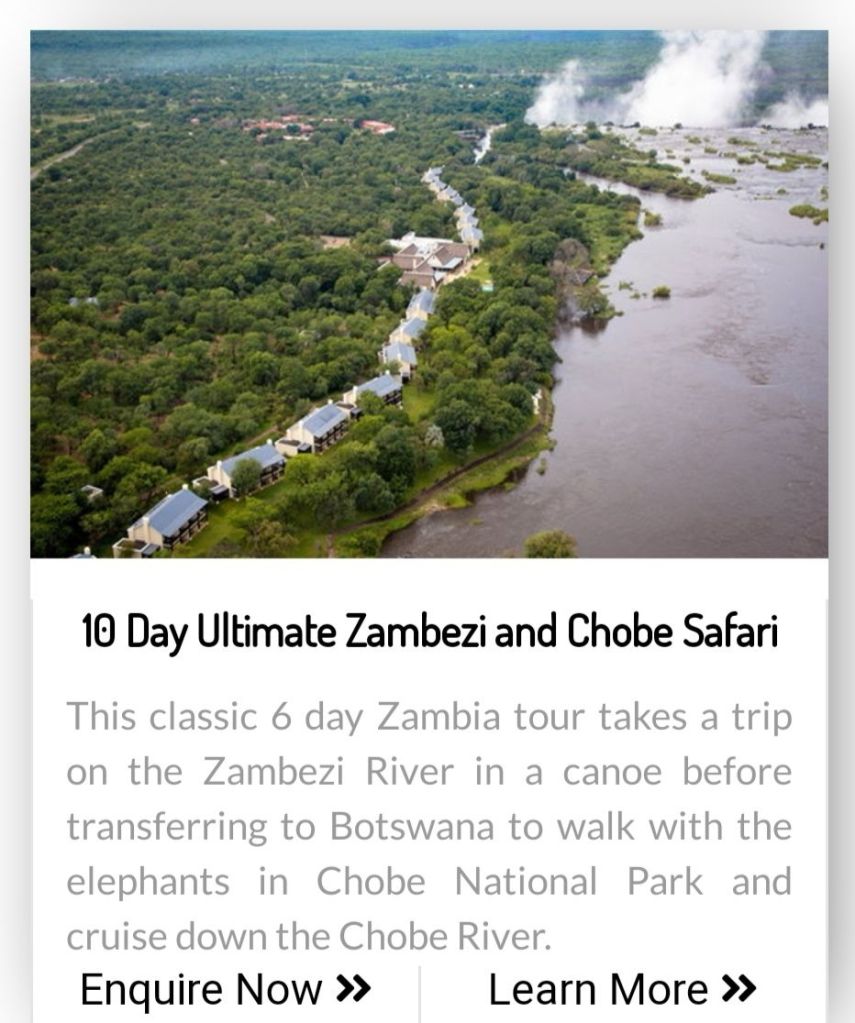
Falcon Safari is one of the leading and most trusted tour operators in Africa. Have a look at any of the Falcon Safari tour packages operated by Falcon Safari to Zambia listed below:
Travel Namibia – Top Tourist Attractions in Namibia, Namibia Facts & Best Namibia Travel Information

Travel NamibiaTop Tourist Attractions in Namibia, Namibia Facts & Best Namibia Travel Information

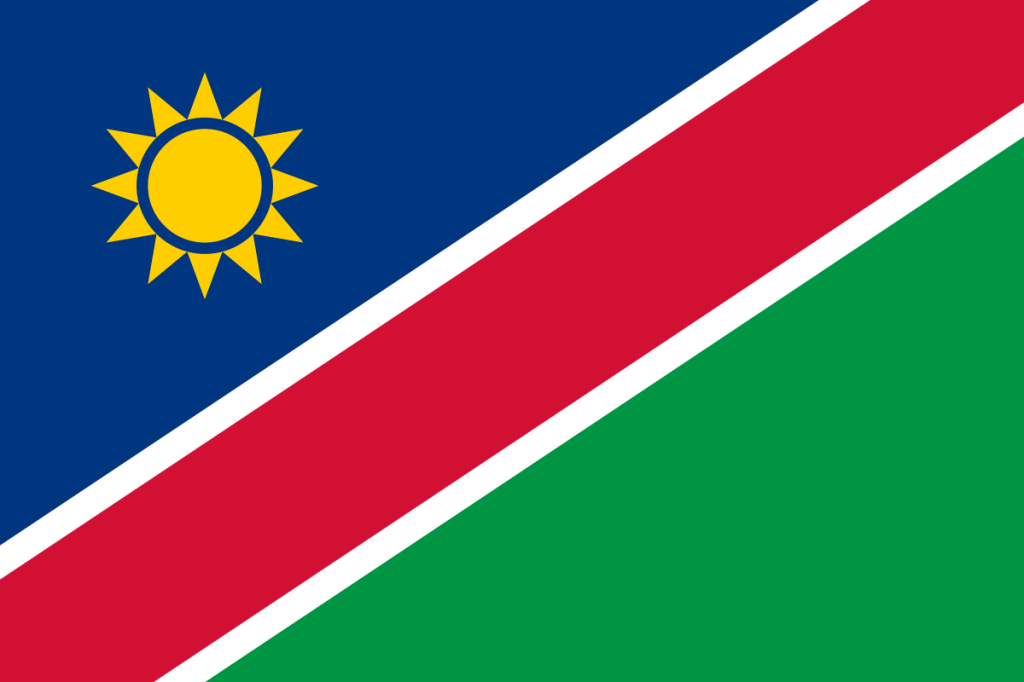
The Namibia Flag
Namibia Population: 2,606,971 (2017)
Namibia Capital City: Windhoek
Namibia GDP: $27.505 billion
Namibia Currency: Namibian Dollar (NAD) and South African Rand (ZAR)
Namibia Time Zone: UTC +2 (CAST)
Namibia Driving Side: Left
Namibia Calling Code: +264

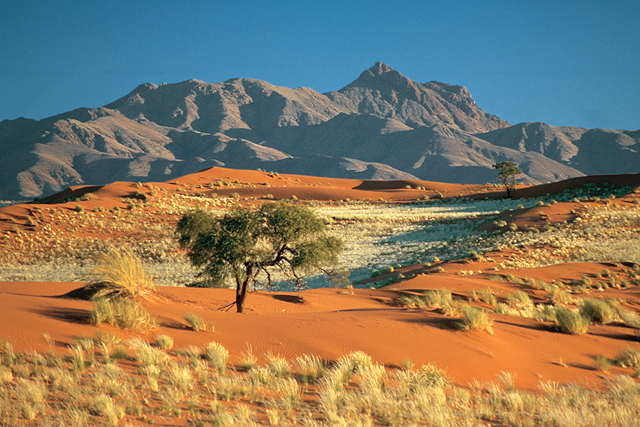
A trip to Namibia, the country where mysteriously stranded boats line the Skeleton Coast, and the red sand dunes of the Namib desert stands gracefully tall against the blue sky, is the experience of a lifetime.  

If you’ve ever thought of visiting Namibia, there is no time such as the present to do so. Many a visitor find Namibia to be a country with a raw and rare beauty that is so breathtaking, it leaves the mind in awe and the heart forever changed.

In this short but comprehensive guide to travel Nambia, you’ll find information featuring the top tourist attractions in Namibia, visa info, the best time to travel to Namibia, a short history of Namibia, as well as top tour package suggestions.

Get your safari pants ready, your camera batteries charged, and hop on that plane to Namibia!

A SHORT-COMPREHENSIVE GUIDE TO TRAVEL NAMIBIA

Where is Namibia?

The Republic of Namibia is a Southern African country, which borders South Africa on the east and south, Zambia and Angola to the north, and Botswana to the east.

5 Interesting Facts of Namibia

  • Namibia is the driest country in Sub-Saharan Africa and does not receive more than xxx rainfall per year.
  • Namibia was first inhabited by the San people, Damara and Nama, but in the 14th century, Bantu speaking people immigrated to the area and is today the majority.
  • Tourism contributes majorly to the Namibian economy. Up to 14.5% of the GDP is derived from tourism.
  • Namibia is known as a prime ecotourism destination, with the Namib desert known as a must-see.
  • Extreme sports such as skydiving, 4 x 4 trips through the Namib desert, and sandboarding are top tourist attractions in Namibia.

Visa for Namibia

Getting a visa for Namibia is pretty straight forward. Tourist, business, and other short- and long-term visas are available to tourists, diplomats, and business people who have a valid passport with a minimum of 6-month validity.  

Visa for Namibia – Exempt Countries

Validity: 3-Months within 1-Year

Visitors who hold ordinary passports and originate from any of the below-listed countries can enter Namibia without a visa.

  • Angola
  • Armenia
  • Australia
  • Austria
  • Azerbaijan
  • Belarus
  • Belgium
  • Botswana
  • Brazil
  • Canada
  • Cuba
  • Denmark
  • Eswatini
  • Finland
  • France
  • Germany
  • Hong Kong
  • Iceland
  • Indonesia
  • Ireland
  • Italy
  • Jamaica
  • Japan
  • Kazakhstan
  • Kenya
  • Kyrgyzstan
  • Lesotho
  • Liechtenstein
  • Luxemborough
  • Macao
  • Malaysia
  • Malawi
  • Mauritius
  • Moldova
  • Mozambique
  • Netherlands
  • New Zealand
  • Norway
  • Portugal
  • Russia
  • Seychelles
  • Singapore
  • South Africa
  • Spain
  • Sweden
  • Switzerland
  • Tajikistan
  • Tanzania
  • Turkmenistan
  • Ukraine
  • United Kingdom
  • United States
  • Uzbekistan
  • Zambia
  • Zimbabwe

Visa for Namibia – Visa On Arrival

Validity: 3-Months

Cost: N$1,000 (USD $28 – 30)

The main entry points into Namibia is Hosea Kutako International Airport or Walvis Bay Airport where visitors can obtain a 3-month Visa on Arrival for Namibia. Countries that qualify for a Namibia Visa on Arrival:

  • Benin
  • Bulgaria
  • Burkina Faso
  • Burundi
  • Cape Verde
  • Cambodia
  • Cameroon
  • Central African Republic
  • Chad
  • Chili
  • Comoros
  • Cote d’Ivoire
  • Czech Republic
  • Djibouti
  • Equatorial Guinea
  • Eritrea
  • Gabon
  • Gambia
  • Guinea
  • Guinea-Bissau
  • Hungary
  • Liberia
  • Madagascar
  • Mexico
  • Nicaragua
  • Nigeria
  • Poland
  • Romania
  • Rwanda
  • Sao Tome & Principe
  • Sierra Leone
  • Slovakia
  • South Korea
  • Thailand
  • Togo
  • Tunisia
  • Turkey
  • Uganda
  • United Arab Emirates
  • Venezuela
  • Vietnam

Visa for Namibia – African Passport Holders

The government of Namibia is said to soon introduce Visa on Arrival for all African passport holders. African passports will be issued to citizens of most of the African countries on the African continent to out phase the need for Africans to obtain a visa for the 55-states in Africa. This initiative is similar to the European Union and was first launched on 17 July 2016 in Kigali, Rwanda.

The Capital of Namibia

Windhoek is the capital city of Namibia and is situated right in the middle of the country in the Khomas Highland plateau area. It is also the largest and most densely populated city in Namibia, with 325,858 people calling it home.

The capital city of Namibia was first settled by indigenous pastoral communities since the area was known for its permanent hot springs. In 1840, a Captain of the Orlam by the name of Jonker Afrikaner settled here and built a stone church. Since then, Windhoek has grown into what it is in modern times today.

Namibia Population

After Mongolia, the Namibia population is known to have the second-lowest population density in the world. According to a 2017 survey, there are on average 3.08 people per km2. In total, the Namibia population is only 2,6 million (2017).

A Short History of Namibia

German South-West Africa, (as Namibia was known in the 18th century), was annexed by German Chancellor Bismarck in 1884, and declared a German Colony. That was done on the advice of Adolf Lüderitz, the founder of the small, coastal town of Namibia, Lüderizbucht.

The Germans feared British colonialization following the annexation of the main harbor town Walvisbay in 1878. Namibia’s local tribes, the Herero’s and Namaqua’s, fought a gallant war against the Germans but were no match for their superior weaponry.

During World War I, South Africa invaded the territory in 1915 and occupied Namibia on behalf of the British Commonwealth. The occupation lasted some 75 years.

The first 50 years were relatively peaceful, but during the final years before Namibia claimed independence, it became an all-out struggle between South Africa and SWAPO, the countries biggest liberation movement.

Namibia gained independence on 21 March 1990 under the leadership of Sam Nujoma, who also became the countries’ first president.

In 1994, the ‘lost’ territories of Walvisbay and the adjacent twelve small islands were handed back as well.

The Best Time to Travel Namibia

The best time to travel Namibia is during the winter and spring months, which is from June to October. Since Namibia can get quite hot, traveling between June to October is advised, since the temperatures are then around 18 – 26 degrees Celsius, depending on where you’re traveling.

Day time in Namibia is extremely pleasant during winter and spring, but night times can be cold, as is prone in desert type climates. It’s best to pack both short-sleeve and warmer clothes.

Is Namibia Safe to Travel?

Yes, Namibia is safe to travel. Comparted to other war-torn or dangerous countries in Africa, Namibia is one of the few countries on the continent with a politically stable government and where it’s safe for tourists to travel.

That said, there are the usual safety concerns and precautions everyone should take when traveling in Namibia, as would apply in any country in the world.

How To Stay Safe While You Travel In Namibia:

  • Join an organized tour with a known tour operator.
  • Do not drive around at night by yourself.
  • Avoid dark alleys or unknown, unsafe looking areas in towns/cities.
  • Stay in a group rather than traveling alone.

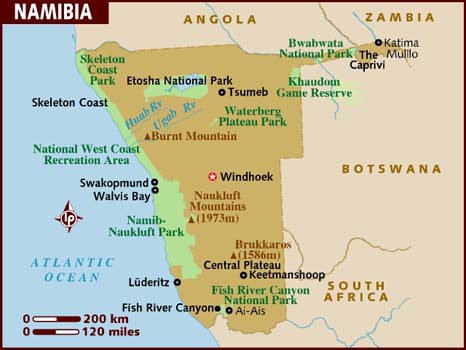
Map of Namibia

A map of Namibia. Note the location of Windhoek, the capital city of Namibia with a population of 325,858 people. Windhoek is situated at the very center of the country.

The Top 10 Tourist Attractions in Namibia

10 – Epupa Falls

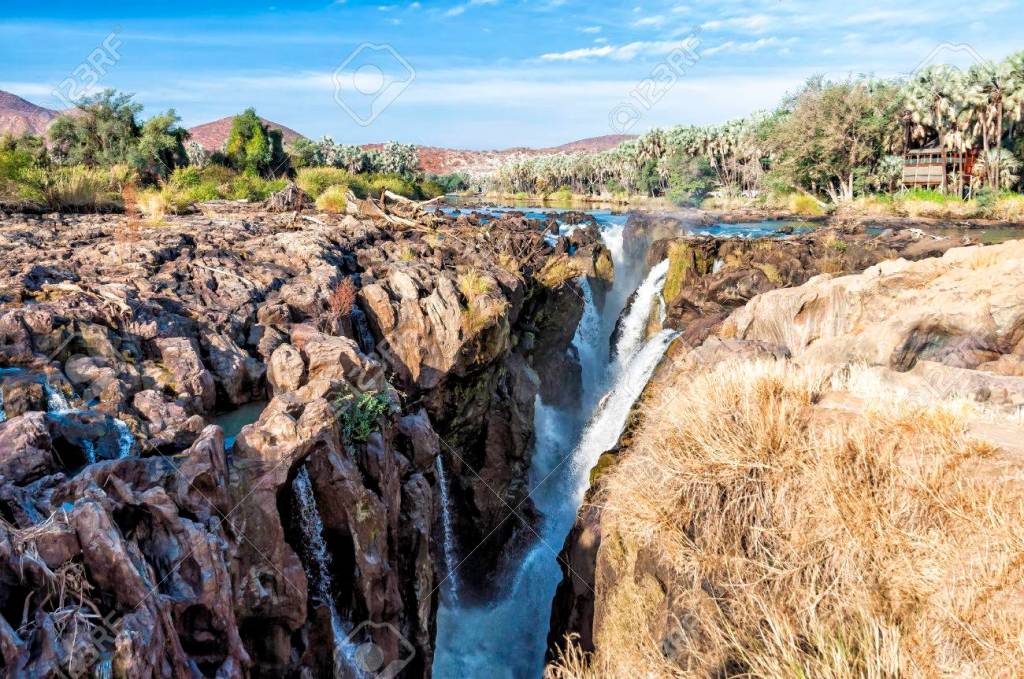
The Epupa Falls (also known as Monte Negro Falls in Angola) are created by the Kunene River on the border of Angola and Namibia, in the Kaokoland area of the Kunene Region. The river is 0.5 km wide and drops in a series of waterfalls spread over 1.5 km, with the greatest single drop being 37 m. The name “Epupa” is a Herero word for “foam”, in reference to the foam created by the falling water. https://en.wikipedia.org/wiki/Epupa_Falls

At the border between Angola and Namibia is the Cunene River. It’s here that the beautiful Kaokoland area of the Kunene Region of Namibia is situated, and where the 0.5 km wide Cunene River gives birth to the Epupa Falls spreading to over 1.5 km. The highest drop point is 37 meters.

Accommodation: Kapika Waterfall Lodge, Omarunga Camp Lodge, Epupa Camp Lodge & Epupa Falls Campsite Lodge

Popular Activities: Guided tours to the Epupa Falls and Himba Villages, whitewater rafting, bird watching, crocodile watching excursions, sightseeing the famous Baobab, and Mopane trees.

9 – Twyfelfontein

Image result for twyfelfontein

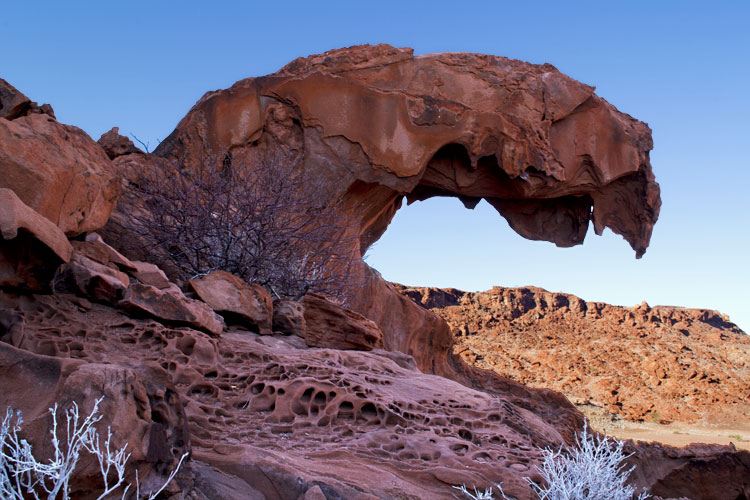
Twyfelfontein is home to one of the world’s largest concentrations of rock petroglyphs in Africa, and is a protected UNESCO site. Even if you’re not into rock art, you’ll find the Twyfelfontein rock art site situated in what was formerly known as Damaraland (today Kunene), absolutely breathtaking. The rock art is located in a valley that is flanked by a stunning sandstone mountain, with an aquifer that runs underground where a spring originates. It’s this spring from which Twyfelfontein (translated Doubt Spring) then also got its name. Twyvel in the Afrikaans language means ‘doubt,’ and fontein refers to ‘spring.’ Many thus speculate that the spring got its name due to the area receiving minimal annual rainfall (<150 mm per year).

8 –  Skeleton Coast

Image result for skeleton coast

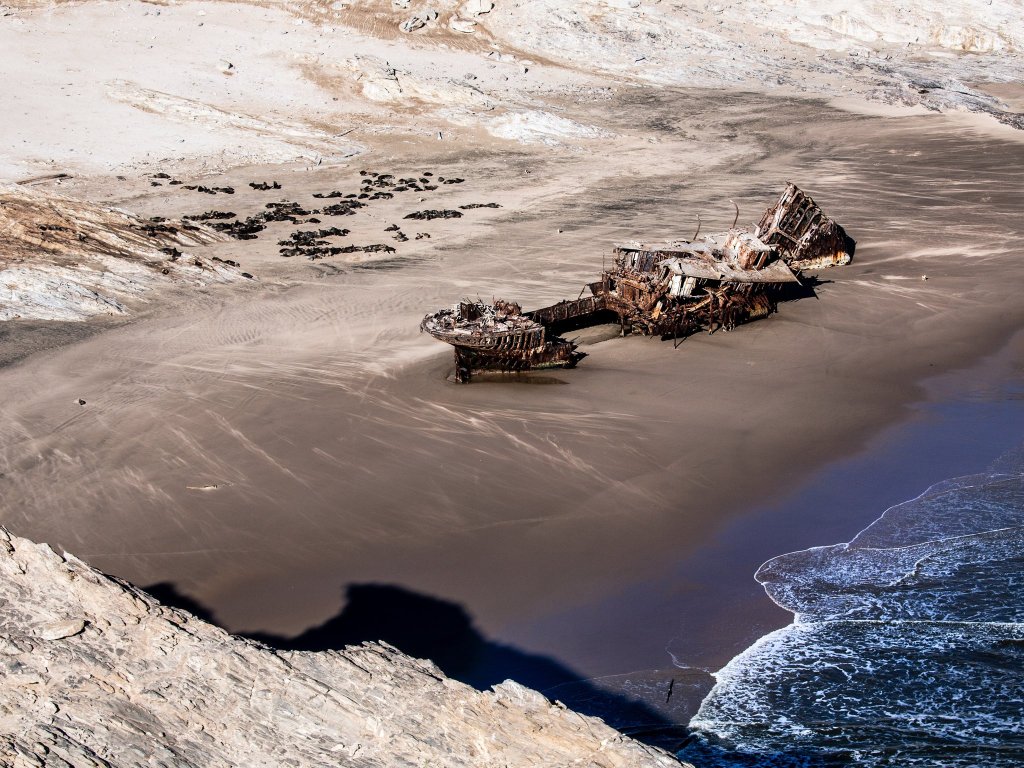
A trip to Namibia is incomplete without visiting the world-famous Skeleton Coast. The Skeleton Coast is also a national park and includes the 500 km coastal strip on the western part of Namibia. It is a barren, desolate desert coastal area with unique beauty. During autumn (May to June), the area covered in rolling fog, which may give a visitor a spooky chill along the spine. Autumn tends to be windy and is not ideal for wildlife viewing.

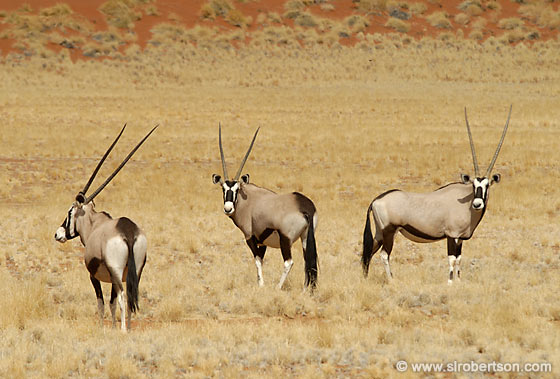
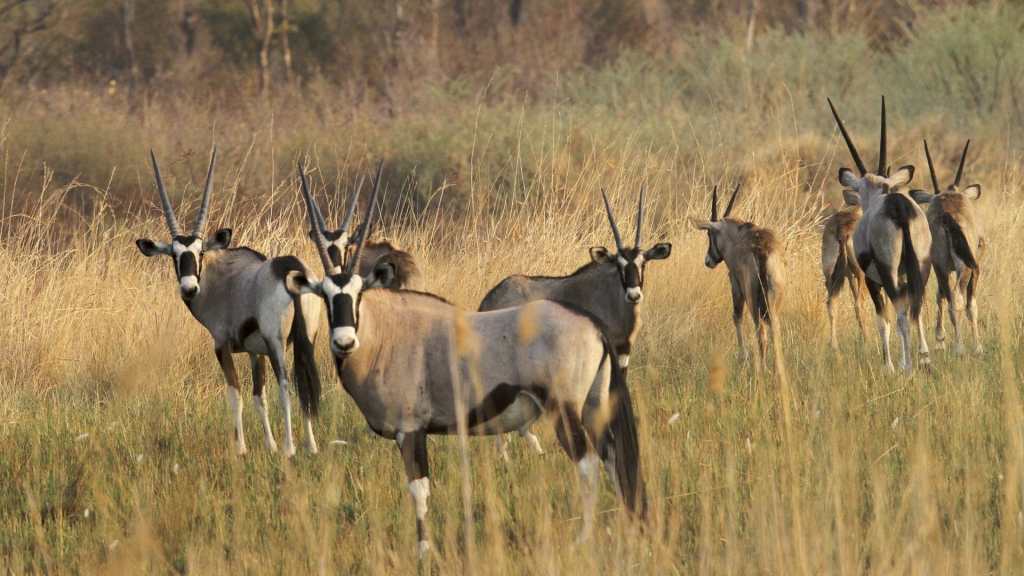
Close to river mouths and surrounding areas, wildlife is found at regular intervals. Amongst the wild, you will find Kudu, Springbok, and even Oryx. The brown hyena forms the clean-up crew. Amongst the birdlife, you can expect to see Ostridge and white pelicans as the most common amongst others. Marine life consists of large colonies of Cape Fur Seals and the occasional dolphins.

7 – The Caprivi Strip

Image result for caprivi strip

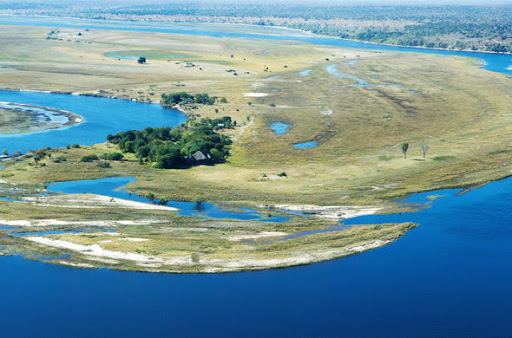
The Caprivi Strip (Caprivizipfel in German or Okavango Strip during colonial times), a salient (elongated protrusion not surrounded by water) of Namibia, starts in the north-east and protrudes east for close to 450 km (280 miles). On its southern flank, you’ll find Botswana, and north, Angola and Zambia. Zimbabwe borders its eastern tip for only about 100m. The Caprivi Strip is a spectacularly beautiful natural area, with various wildlife living there, including the critically endangered Wild African Dog.

6 – Swakopmund

Image result for swakopmund

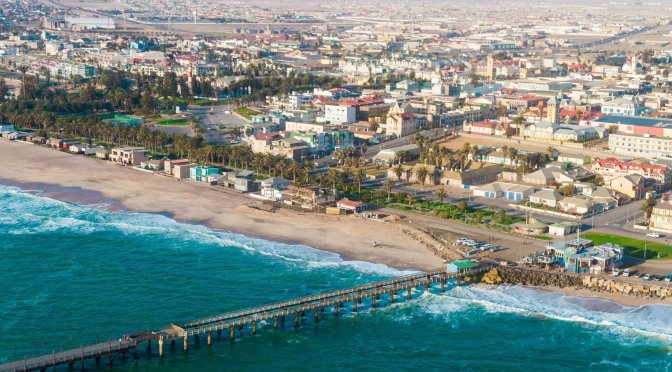
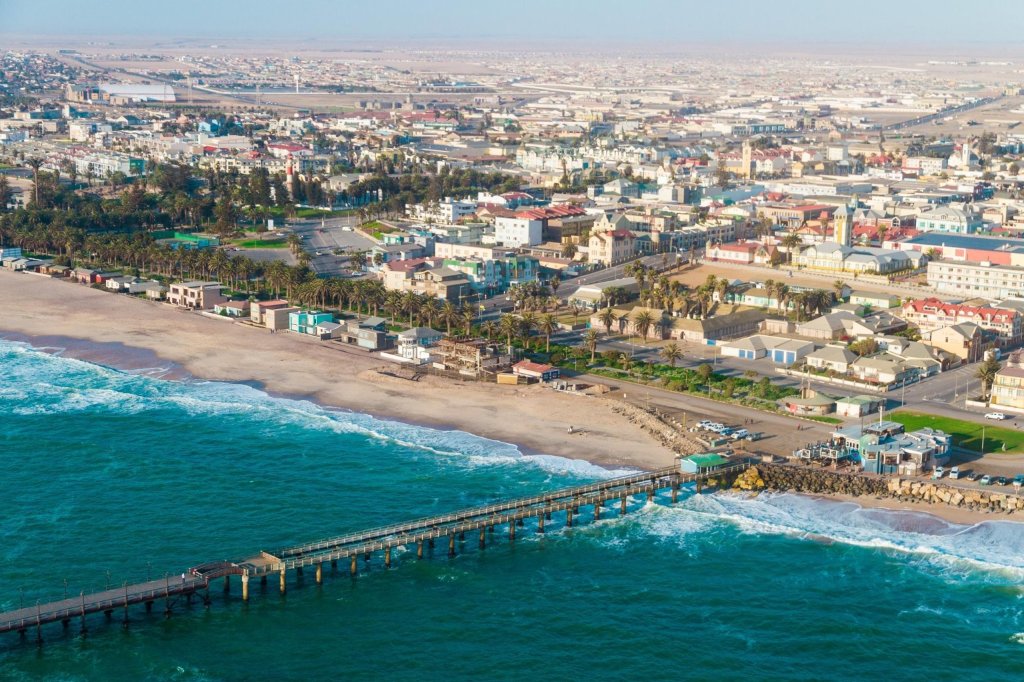
The coastal town of Swakopmund is situated about 200 km from the Skeleton Coast but is a worthwhile destination. Swakopmund is well-known for the Namibian national flower, the Welwitschia, and its so-called moon landscape areas.

5 – Cape Cross

Image result for cape cross

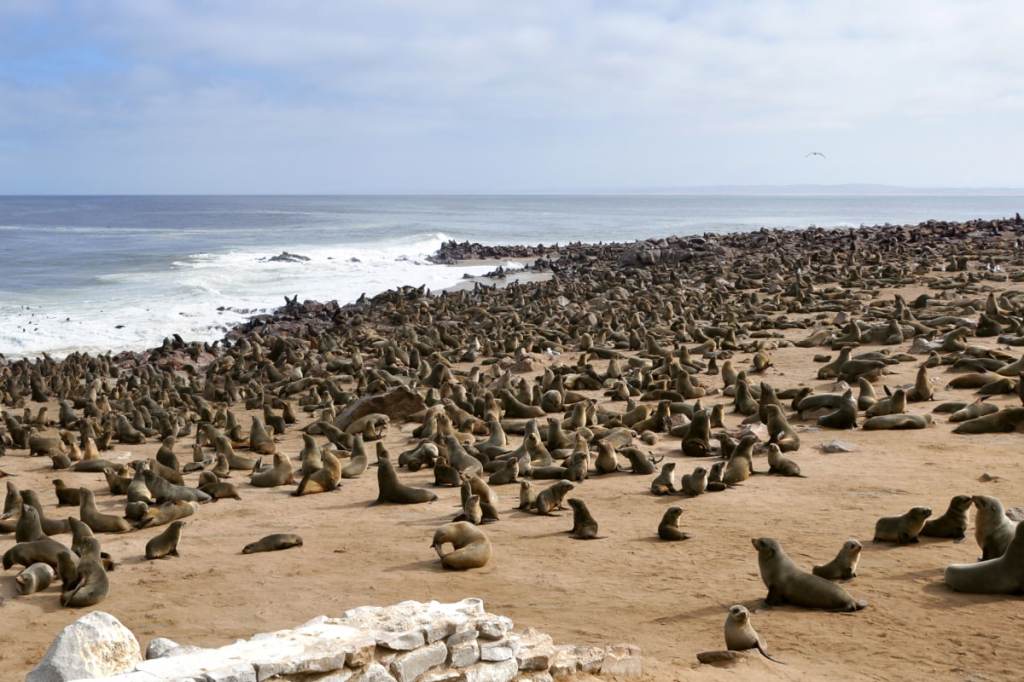
On the west coast of Namibia, you’ll find Cape Cross, a small headland in the South Atlantic, Skeleton Coast. One of the worlds’ largest colonies of Cape fur seals calls Cape Cross home, which is today a protected area and reserve.  Visitors will be amazed at the thousands of seals. Wow!

4 – Fish River Canyon

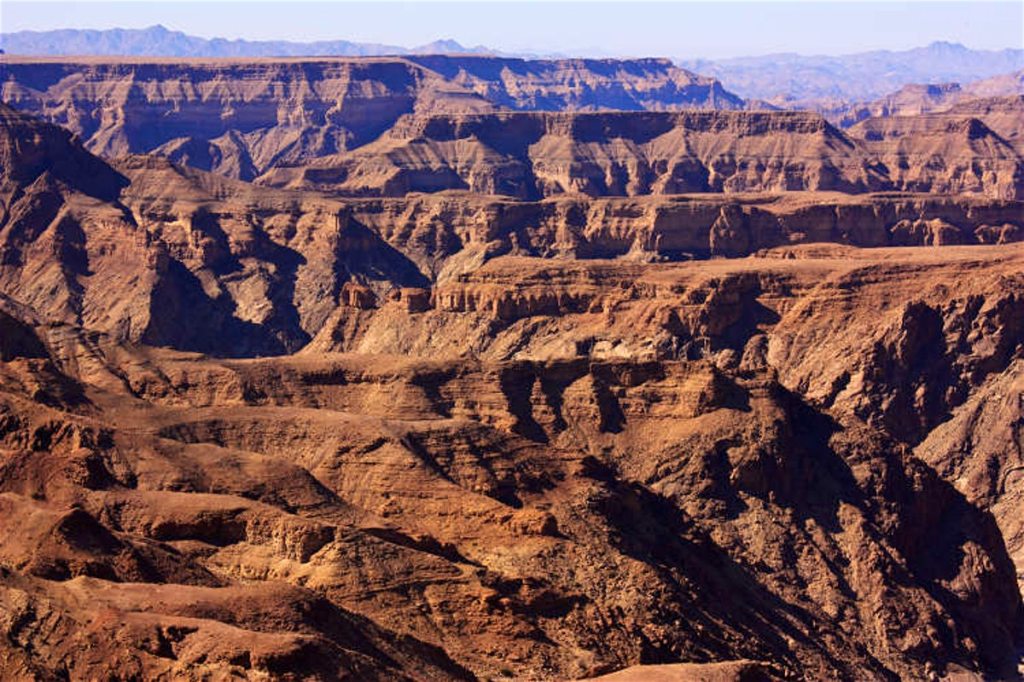
Known as the largest canyon in Africa, the Fish River Canyon of Namibia is a definite must-visit, and can stall among the giants of the world, including the famous Grand Canyon of North America. Situated in the south of Namibia, a mammoth ravine of 160 km (100 miles) runs deep through the dry, stone plateau. The canyon is 27 km wide and at it’s deepest points, 550 m deep. The longest river in Namibia, the Fish River (650 km), floods in the summer months and flows intermittently until it joins the Orange River of South Africa, 100 km from the Atlantic Ocean.

3 – Etosha National Park

Image result for etosha national park

One of the largest salt pans on earth (so big it can be seen from space), is located in the Etosha National Park of Namibia. Situated in the northwest of Namibia, the park covers an area of 22,270 km2, while the Etosha pan area is 4,760 km2, about 130km long, and 50 km wide. Do to hypersaline conditions, few species can survive or live there, but it’s worthwhile to note the discovery of extremophile micro-organisms that live comfortably in the pan’s salty ecosystem. During the summer season that brings rain, the salt pan fills briefly with water but is most often dry. A vast number of wildlife, including endangered animals, can be found at the Etosha National Park. Overall, an amazing experience of peace and tranquility for tourists.

2 – Circles of Namibia

Image result for circles of namibia

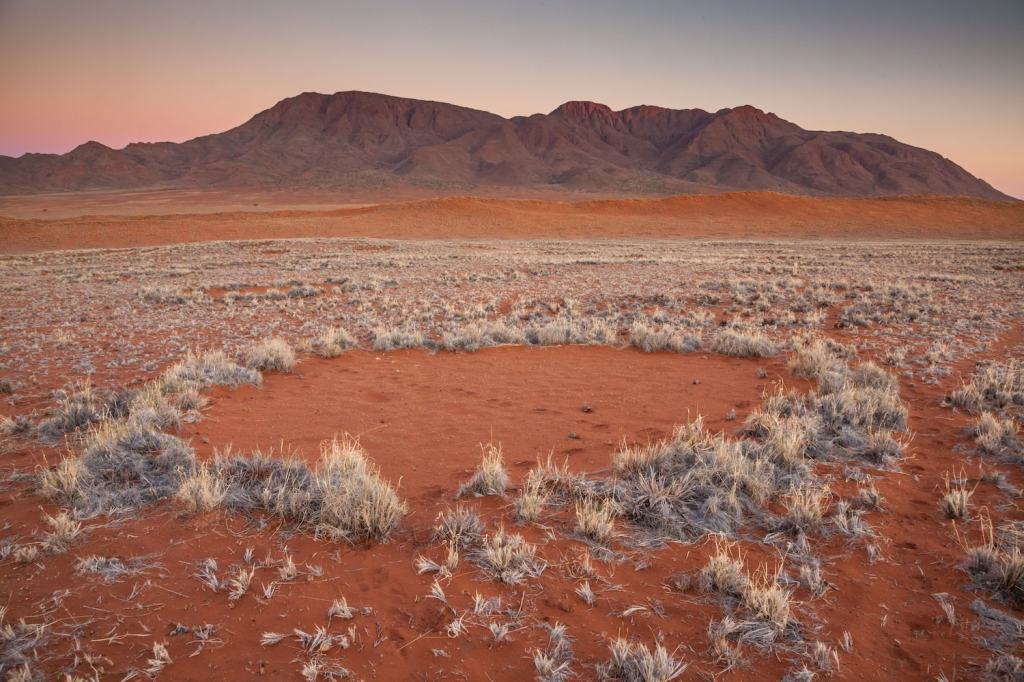
Within the Marienfluss valley of Namibia, the strangest circles can be found that have amazed and puzzled scientists for years. Dubbed the Fairy circles of Namibia, you’ll notice that circular forms line the monospecific grassy landscape in the Marienfluss valley, and is from 2 to 15 meters in diameter. Fairy circles only occur in two places in the world, namely Namibia and Pilbara, Western Australia.

1 – The Namib Desert, Including Sossusvlei, Spitzkoppe & Kolmanskop

Image result for namib desert

The word Namib is of Khoekhoegowab origin and means ‘vast place’, and rightly so. The Namib desert is a phenomenon and absolute must-see when visiting Namibia. The desert is an astronomical coastal desert that is 2,000 km in length, situated alongside the Atlantic ocean. It stretches over three countries, Namibia, Angola, and South Africa. It’s always been arid in this area, for almost 55 to 80 million years at estimate, and scientists think it might be the oldest desert in the world.

If you want to truly immerse yourself in a trip to Namibia’s famous Namib desert, ensure to set aside between 5 – 10 days since there is a treasure-trove of areas to see. These include visiting Sossusvlei, Spitzkoppe, and Kolmanskop.

Image result for sossusvlei

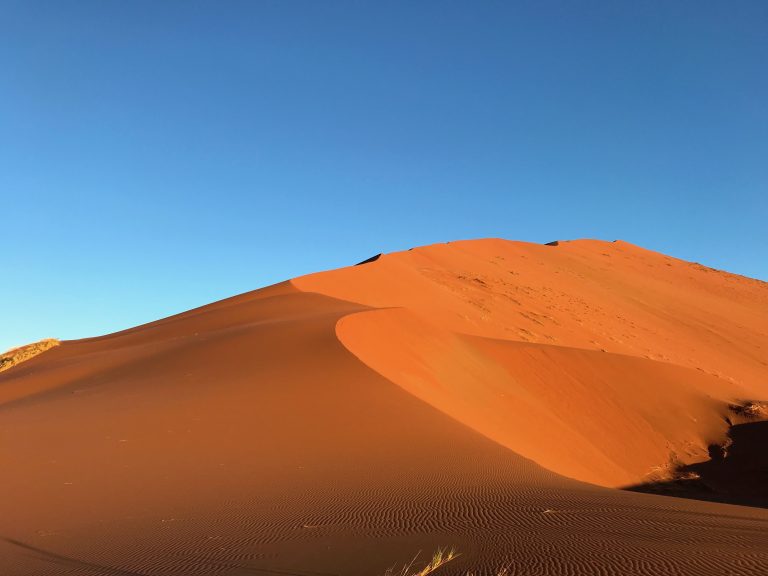
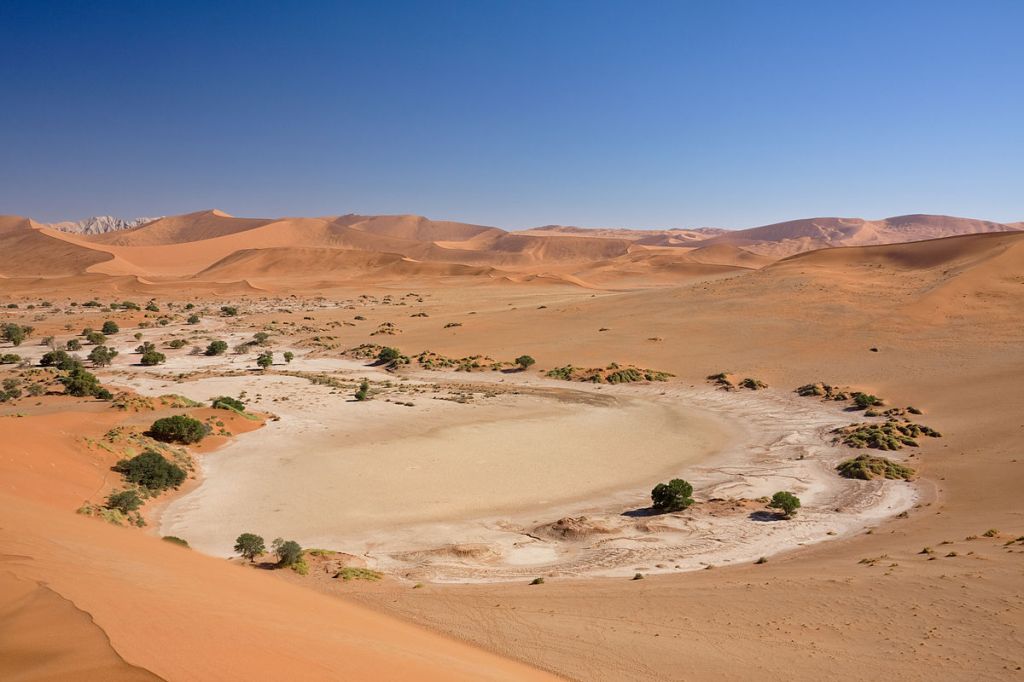
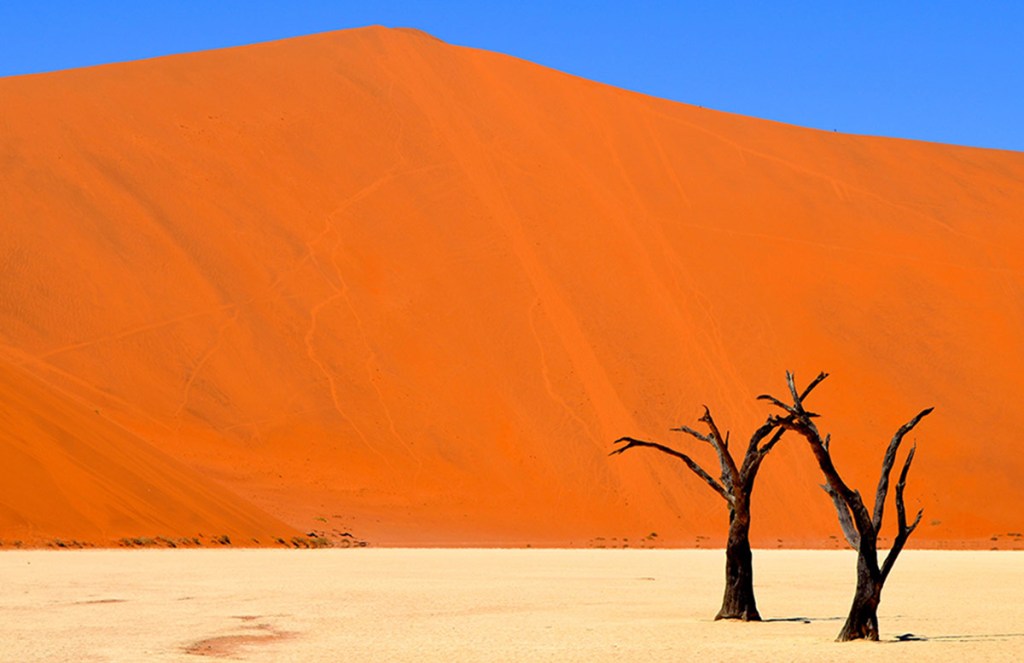
Sossusvlei, often referred to as ‘dead-end,’ is located in Southern Namibia. The area has flat clay pans and is surrounded by some of the highest dunes in the world. The dunes have a unique color ranging from pink to orange and a deep red. The famous Dune 7 is 400 meters in height and a challenge for man and machine. If you are reasonably fit, you can try and walk to the top.

Image result for spitzkoppe
OLYMPUS DIGITAL CAMERA

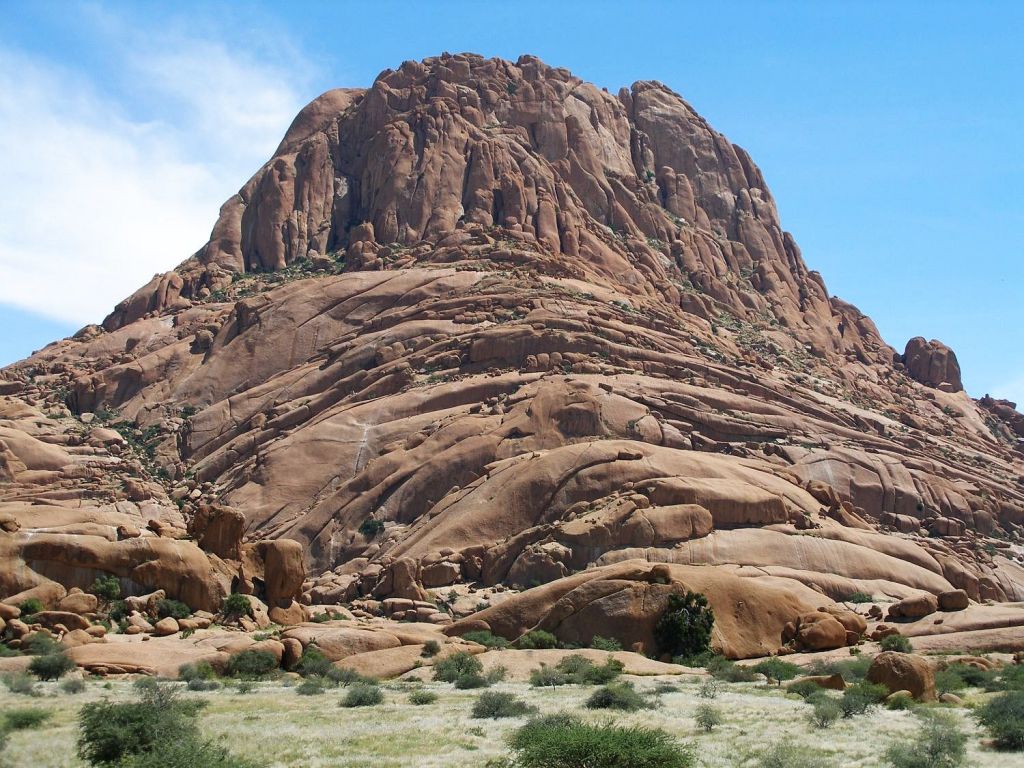
Spitzkoppe, a group of bald granite peaks, (otherwise known as inselbergs), are more than 120 million years old. The highest peak (kop) rises 1,728 meters above sea level and is located between Swakopmund and Usakos in the Namib desert.

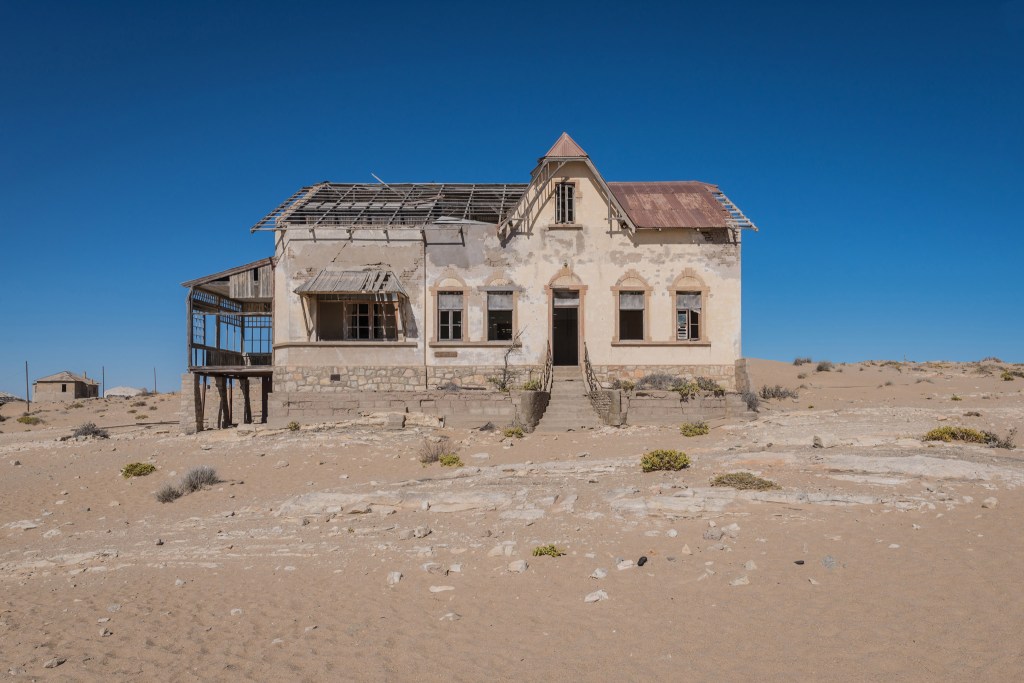
Eerily alone, hauntingly beautiful is Kolmanskop, a ghost town situated between the desert dunes of the Namib desert. Back in the day, it was a prospering mining town, but due to the decline of the diamond field and after World War II, more and more people left. Today, it is one of the top tourist attractions in Namibia while on a safari through the Namib desert.

Other Noteworthy Tourist Attractions in Namibia

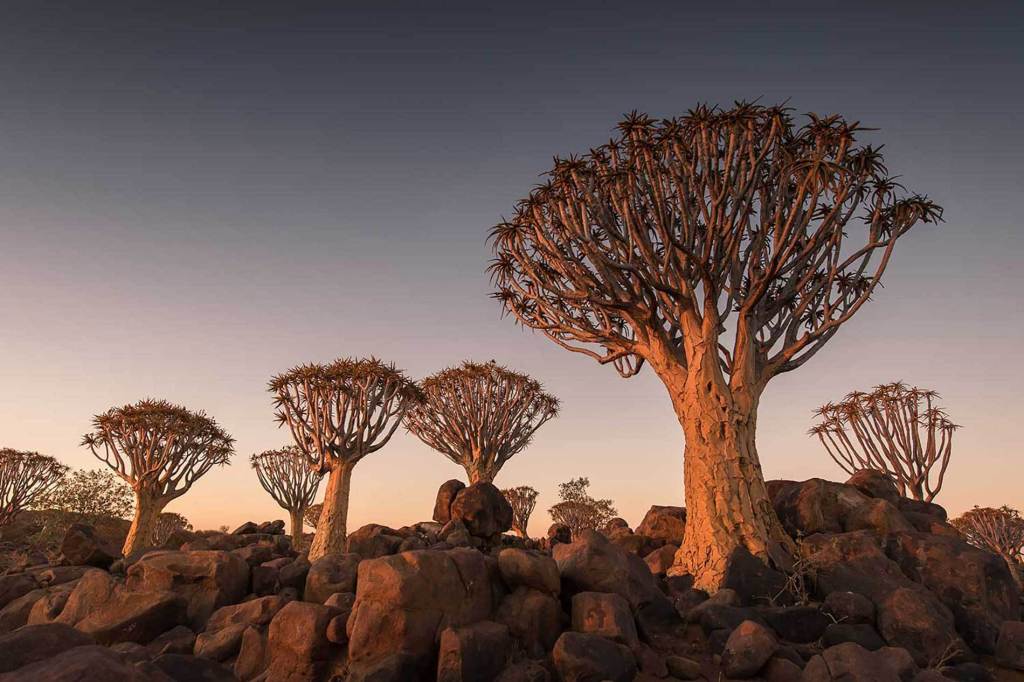
  • Quiver Tree Forest
Image result for quiver tree forest
  • Bwabwata National Park
Image result for bwabwata
  • Naukluft Mountains
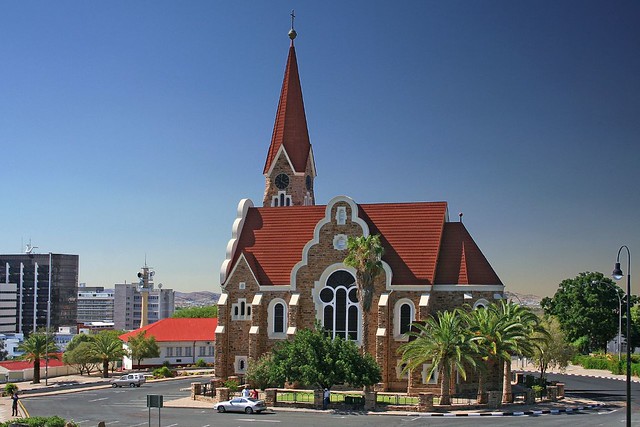
  • Christ Church in Windhoek
Image result for christ church windhoek
  • Nkasa Rupara National Park
Image result for nkasa rupara national park
  • Namib-Naukluft Nationalpark
  • Deadvlei
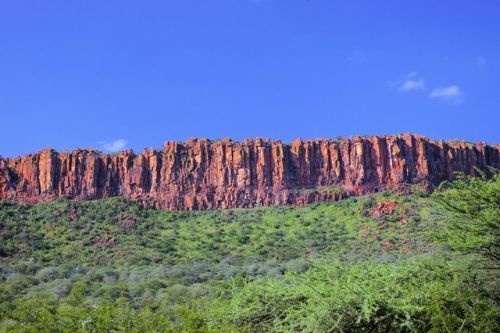
  • Waterberg Plateau Park
Image result for waterberg plateau
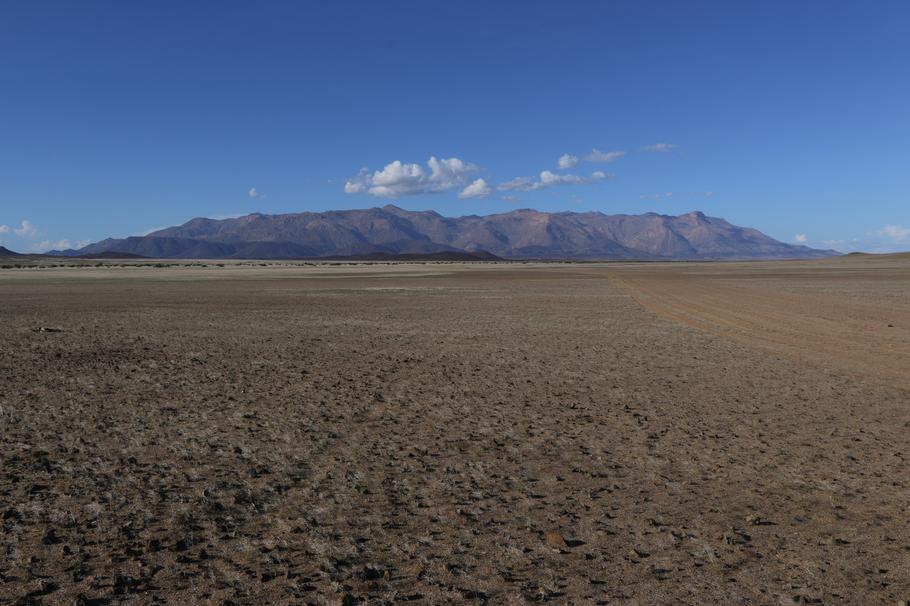
  • Brandberg Mountain
Image result for brandberg mountain
  • NamibRand Nature Reserve
Image result for namibrand nature reserve
  • Muduma National Park
Image result for mudumu national park
  • Sperrgebiet
Image result for sperrgeibit
  • Khaudum National Park

The Top Tours in Namibia

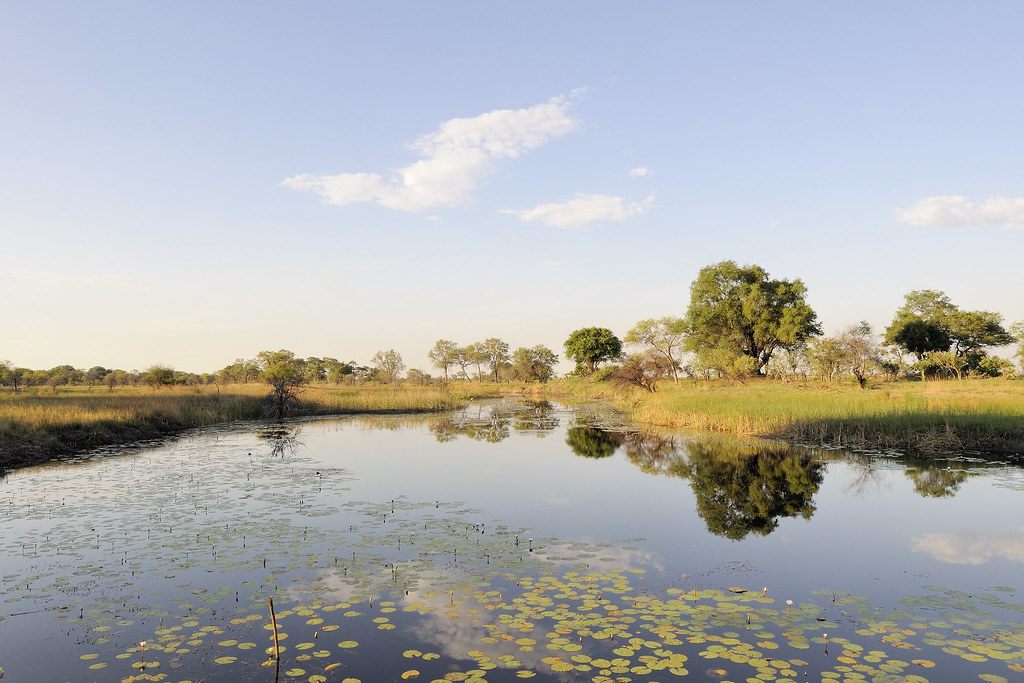
Falcon Safari is one of the leading and most trusted tour operators in Africa. Have a look at any of the Falcon Safari tour packages operated by Falcon Safari to Namibia listed below:
   

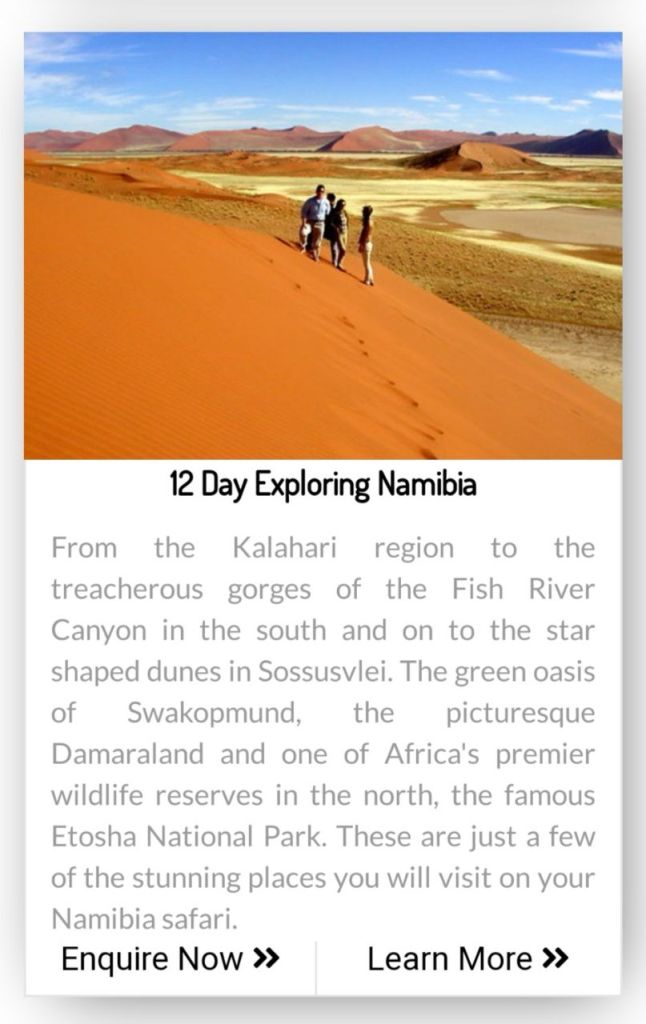
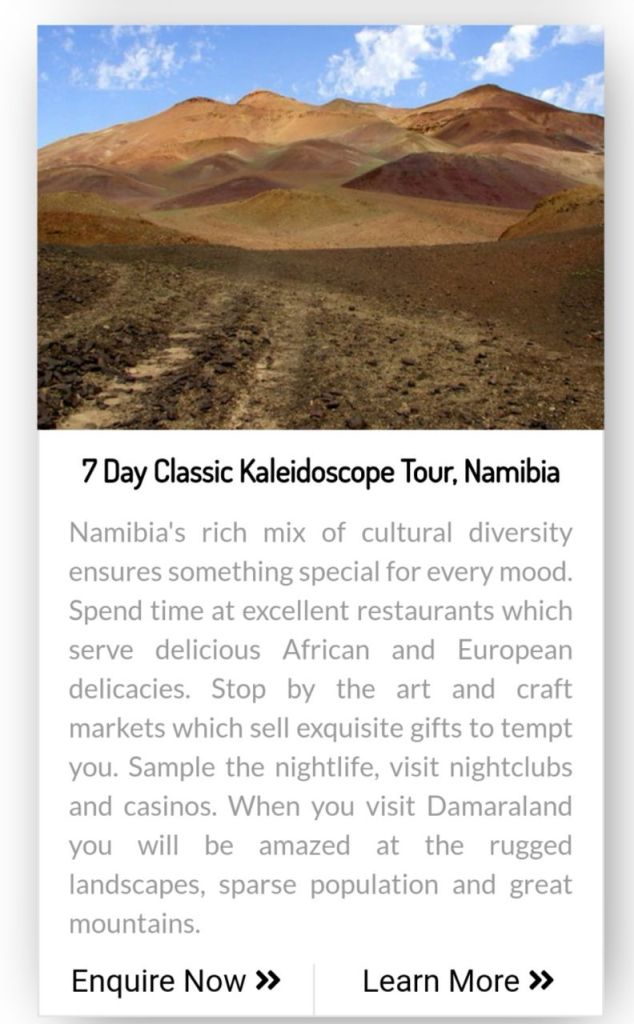
12 Day of Exploring Namibia.
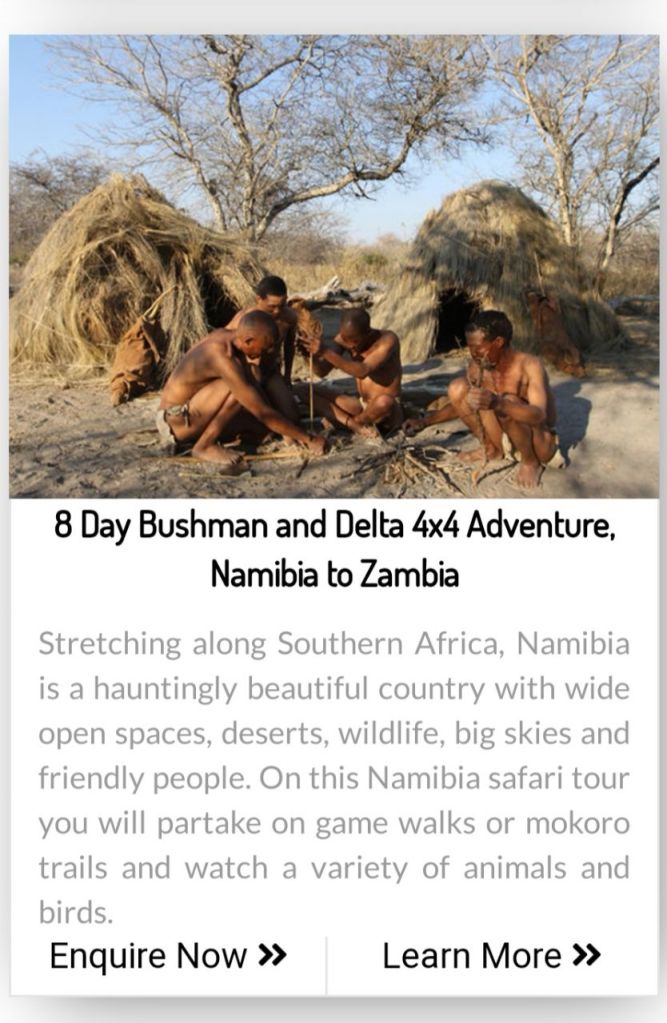
Knowing the Bushman Life
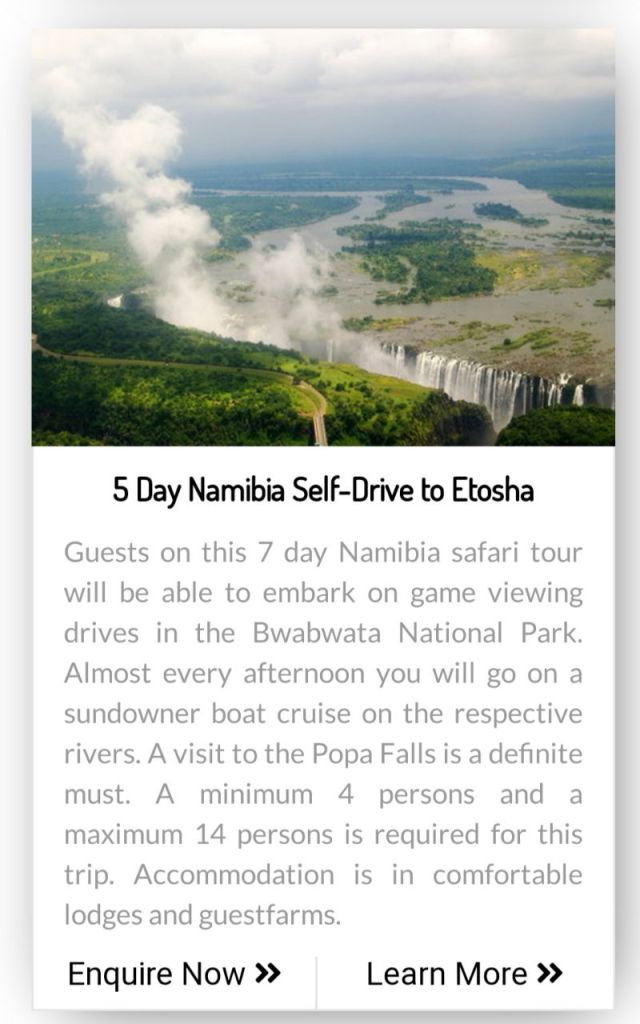
Enjoy the POPA falls, game viewing and the best of Bwabwata National Park


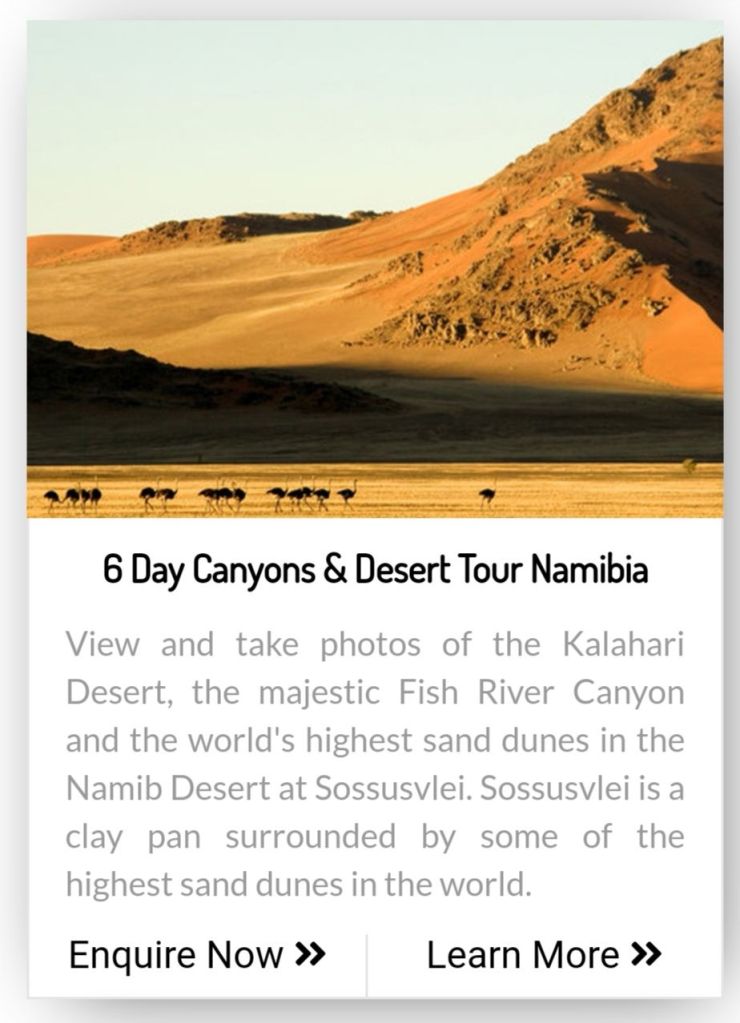
Canyonys and Desert tour.
Classic cultural diversity tour

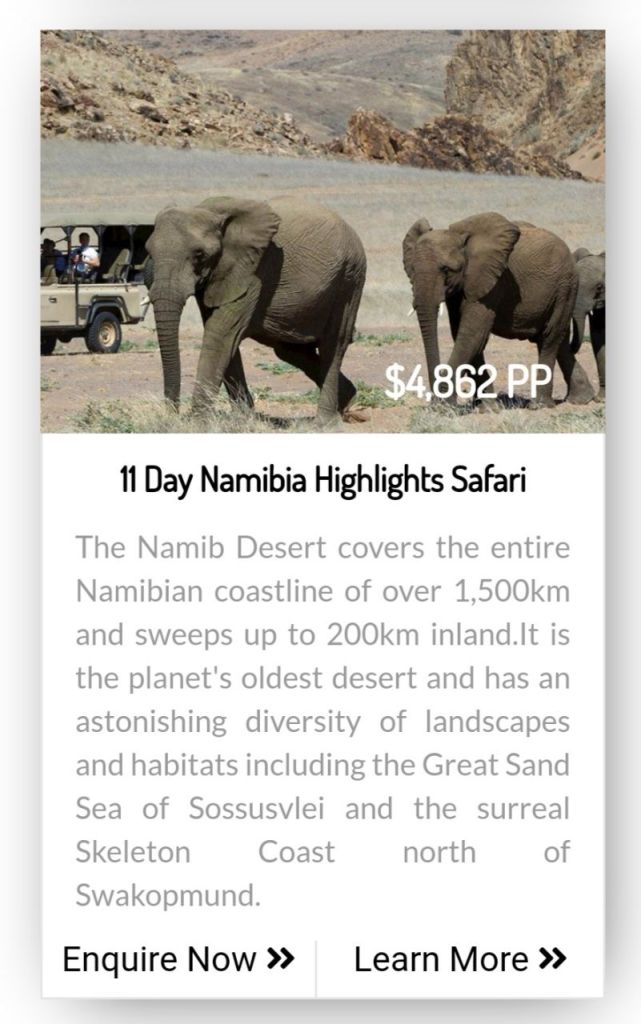
Namibai Safari in 11 Days
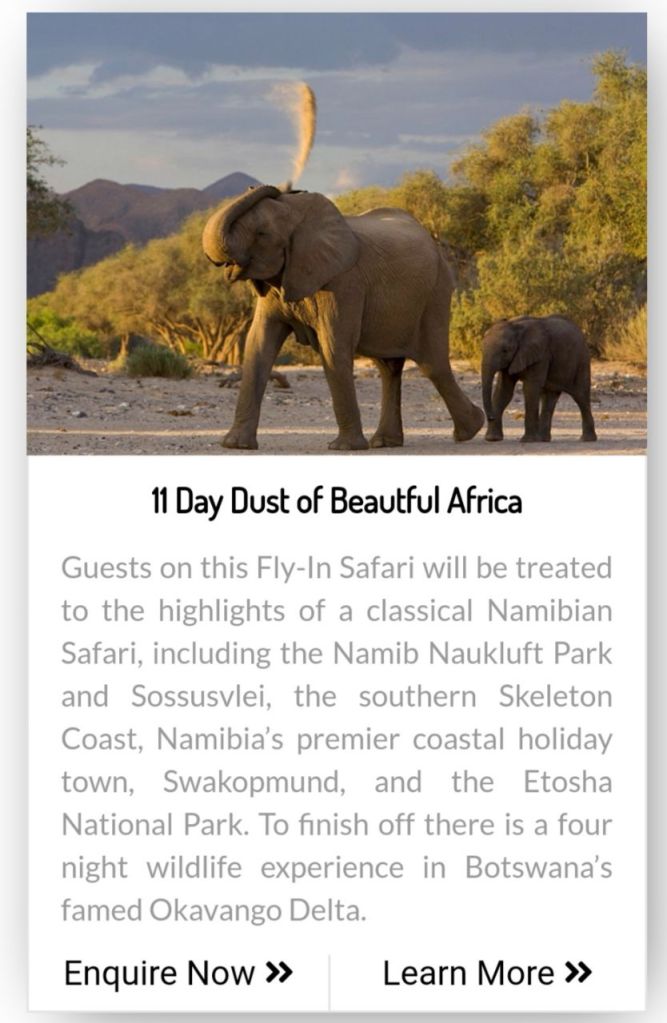
The Beauty of Africa

Zimbabwe, Home to a natural wonder and wildlife species

Located in the heart of Southern Africa, Zimbabwe is known for its aesthetic landscape and wildlife making it a must visit tourist destination on the Africa continent. Its unique heritage and culture is found in all cardinal points around the country with historic and tourist sites evenly spread throughout Zimbabwe. Zimbabwe experiences a very temperate sub- tropical climate with four different seasons all year round.  The best time to visit the beautiful country of Zimbabwe would be during the months of May to October (winter and spring).

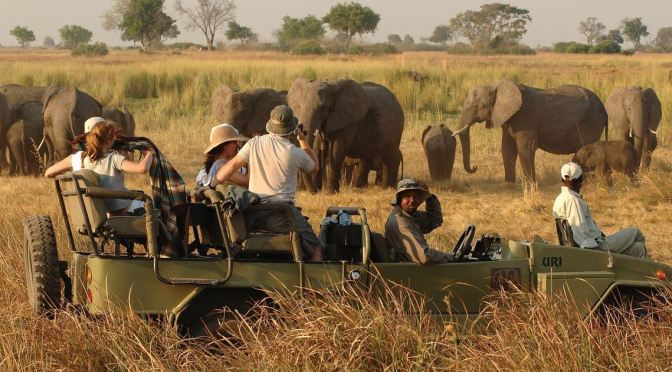
Home to one of natural seven wonders of the world, the Victoria Falls located in the western part of the country. The vicinity is home to Zimbabwe’s largest national park, Hwange National Park it is home to teeming wildlife ranging from elephants, white rhinos, buffalos, giraffes, wildebeest and various antelopes. Dusk and dawn Game drives can be booked in order to see the wildlife and have a tour around the National park.  The Victoria Falls and Hwange area is famous for its reptile species particularly the Nile and Albino crocodile that is found in the Zambezi River. The area is filled with crocodile farms that allow tourists to see and touch them. The beauty of this area does not stop there, as the town of Victoria Falls is abundant with world class affordable resorts.  

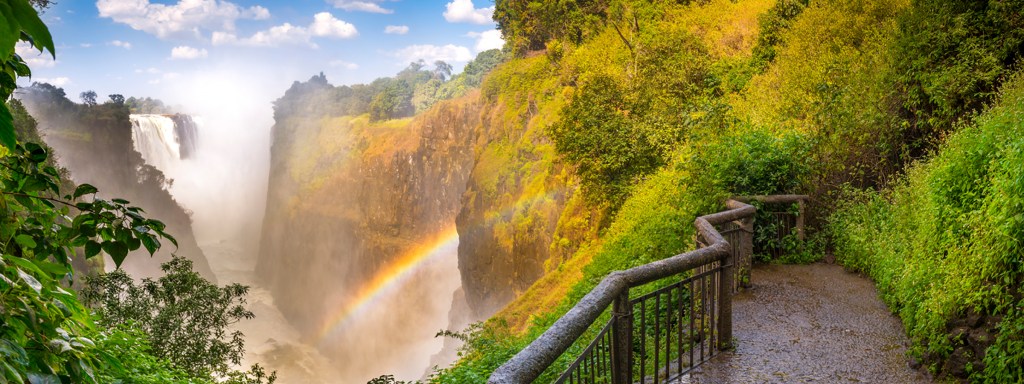
The Victoria Falls. Zimbabwe

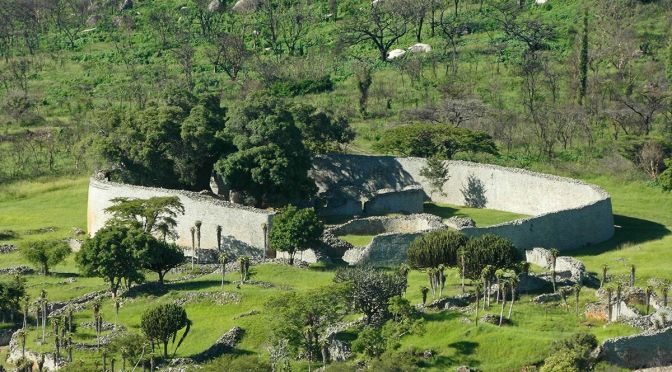
In the south eastern part of Zimbabwe lies one of the world’s archaeological marvels and heritage sites, the Lost City of Zimbabwe common known as the ruins of the Great Zimbabwe. This tourist and historic monument is where Zimbabwe derives its name from and it was built in the 11th century during the late Iron Age. Refreshing hikes around the ruins showcases the historic stone architecture and craftsmanship of a city that was built no mortar making it a marvel.

A visit to Zimbabwe will allow one to experience all the perks of being on the African continent. The landscape gets better and breath taking as one goes to eastern Zimbabwe. The Eastern Highlands is home to the highest points in Zimbabwe starting from Mount Nyangani with a scenic view at its’ summit to the evergreen tropical Mountains of Chimanimani. The mountains are suitable for hiking and seeing nature such as the Mtarazi waterfalls, streams, deep valleys, hot springs and geysers are profuse in the area.  To add a cherry on top of the cake, the world renowned Leopard Rock Hotel is based in the Eastern Highlands offering 4-star hotel and chalet accommodation at the pleasure of nature’s peace tranquil atmosphere.

The Chinhoyi Caves located an hour away from the capital Harare, is a serene site to see as they showcase one of natures’ blue water Sleeping pools.  The Sleeping pool can be seen from the ground but the scenic view is best as one walks through the caves. For those that might be adventurous, the sleeping pool can be used as a place to scuba dive as the pool is said to be very deep.

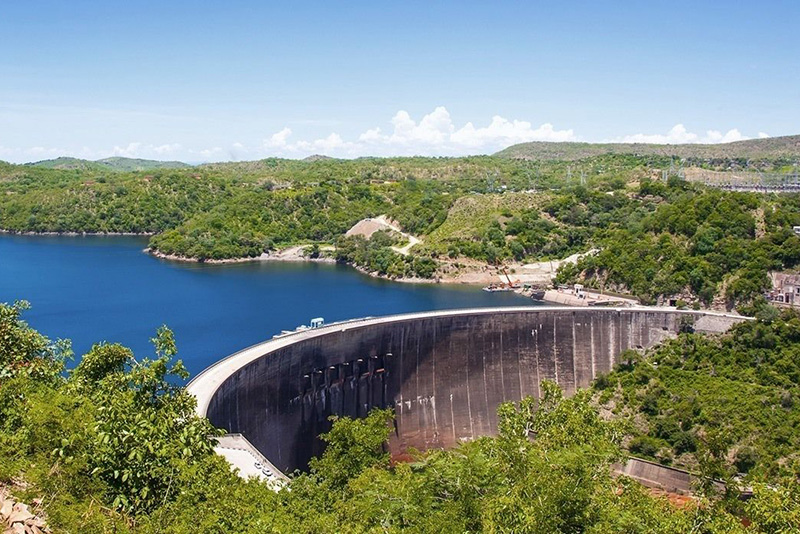
A tour around Zimbabwe would not be complete without visiting the Lake Kariba. Famous for its sunset and sunrise boat cruises, fishing and resorts built along the Lake. The Lake has various Islands along it as it lies 1300 kilometres upstream from the Indian Ocean bordering both Zimbabwe and Zambia. Lake Kariba is Africa’s largest man made dam, the dam wall is a must visit for anyone visiting the area. It is undoubtedly the perfect location to have a houseboat as the weather is always warm and tourist friendly. Lake Kariba will surely give you an ambiance to remember with vast safaris and vast wildlife surrounding the area. The must see resorts is the magnificent Bumi Hills which is only accessible by air. Extravagant views and fantastic wildlife are the order of the day at this location.

The Largest man made dam in Africa. Lake Kariba.

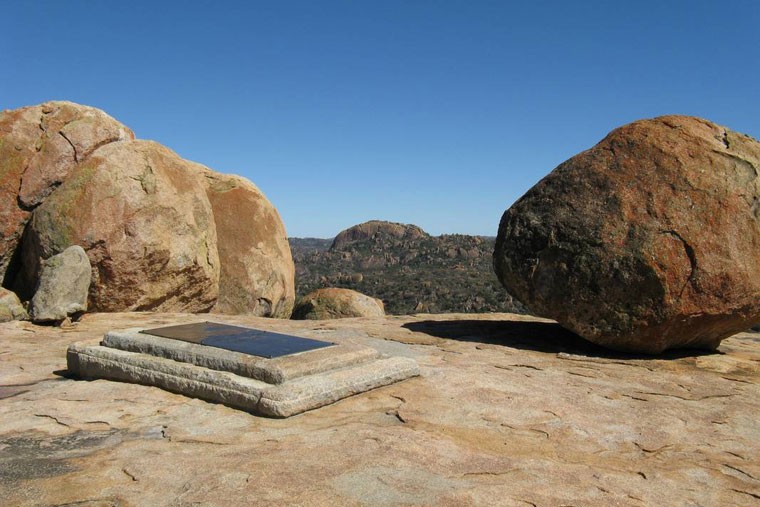
Bulawayo, Zimbabwe’s second largest city houses various tourist attractions. One of them is the Tshabalala Game Reserve which found en-route to Matobos. This Game reserve hosts various antelopes, rhinoceros and giraffes. Matobo National Park is where leopards and rhinoceros can be spotted and is the perfect location for camping, water sports and safaris. It is synonymous for its historical heritage as the famous explorer Cecil John Rhodes was laid to rest at this location. Chipangali Wildlife Orphanage is also situated in Bulawayo, the wildlife orphanage has various wild animals ranging from cheetahs, lions, leopards to exotic birds and snakes. Lastly, the Khami Ruins similar to the Great Zimbabwe but much smaller can be found on the outskirts of Bulawayo.

Cecil Rhodes’ grave in Matobo.

Zimbabwe takes tourism to another dimension as it is one of the few African countries that have an active trophy hunting industry. The abundance of wildlife makes Zimbabwe one of the best trophy hunting locations in the world as the valuable hunts are available. Trophy hunting in Zimbabwe is carried out in various national parks across the country.

Wildlife, National Parks and safaris are part of the real Zimbabwean Tourism experience as the country is blessed beyond doubt with numerous tourist attractions. Zimbabwe’s unique geographical location is a tourists’ pleasure as the country is bordered by South Africa, Botswana, Namibia, Zambia and Mozambique making it the hub of tourism in southern Africa.

In all these, as Falcon Safaris we are delighted to be Your Guide to African Adventure.

ENJOYED THIS BLOG?

ENJOYED THIS BLOG?

Let us know in the comments below. We would love to hear from you.

                        ****************

Unspoiled Wilderness of Botswana

“In certain parks you can watch some of the richest concentration of wildlife in the world, as undisturbed as it must have been for thousands of years, with no other vehicles or tourists to spoil your safari Botswana is the Premier Luxury Safari Destination in Africa” — A wilderness wonderland


Botswana is a land of unspoilt wilderness and unlimited wildlife. From the largest inland delta, the Okavango to the Kalahari desert, to the ancient super-lake of Makgadikgadi pans there is much to discover and experience. From the mystical hills to the thirstlands of the central Kalahari – Botswana is a beautiful land of contrasts. chobe elephants
It occupies 581 730km² of plateau with an average elevation of 1000 m. More than 100 000km² is devoted to game reserves and national parks. Over 80% of Botswana is a semi arid region of grassland or thorn trees with erratic rainfall.Beyond the narrow eastern corridor where the majority of the population is concentrated, Botswana is a largely roadless wilderness of savannahs, deserts, wetlands and salt pans. With its unique okavango delta and the wildlife wonderland of the Chobe national park, Botswana is one of Africa’s premier safari destinations.Botswana’s leaders took the view that high quality / low volume tourism was the best way to create a sustainable industry, while still preserving the environment. The high price, low impact has worked brilliantly April to August is one of the best times to visit Botswana, although it is winter the weather is still pleasant and it is dry. This however is also the busiest time as Europe and America have annual holidays. The least crowded times are June, early July and mid to late September. Summer is probably the worst time to visit as the rains damage roads and game is less visible Botswana safaris & tours. Our packages are tailor made and can be adjusted to suit. As FALCON SAFARIS we are a leading tour operator and we will gladly supply a quote with or without flights for any package tour of accommodation, transfers and activities for Southern Africa


dd Chobe, Linyati and Savuti Game Reserves
dd Moremi Game Reserves and Okavango Delta
dd Central Kalahari accommodation
dd 
dd Tour packages to Botswana Safari Tours
dd Honeymoon Safaris
dd Chobe National Park