We greet you and are delighted in sharing Southern Africa, a region with millions of welcoming smiles, wildlife paradise, incredible scenic beauty and the seventh wonder of the world, Victoria Falls, with our guests.We are a Tour Operator as well as a premiere full service Destination Management Company with over 15 years of combined in-house experience. We operate tailor made safaris, incentive and adventure travel in and around Zimbabwe, Zambia, Namibia, Botswana and South Africa. Whether it be car rental, a comprehensive travel itinerary or accommodation bookings, we will provide you with all your travel requirements, making Falcon Safaris a one-stop travel shop.
The Flag of South African South Africa Population: 58,775,022 (2019 estimate) South Africa Capital City: Pretoria (executive), Bloemfontein (judicial), Cape Town (legislative) South Africa GDP: $368.3 billion South Africa Currency: South African Rand (ZAR) South Africa Time Zone: UTC +2 (SAST) South Africa Driving Side: Left South Africa Calling Code: +27
If you are in need of a trip to a place filled with beautiful sceneries, lots of activities, really good food and a lot of great wine, then Cape Town is just the destination for you.
Cape Town is home to many attractions, some for the more adventurous but also for the more romantic at heart. This city filled with so many different cultures will leave you with amazing memories, but be warned it might steal your heart as well…
So set your taste buds up for a whirlwind, have your camera at hand and get ready to travel Cape Town!
A SHORT-COMPREHENSIVE GUIDE TO TRAVEL CAPE TOWN (SOUTH AFRICA)
Where is Cape Town?
Cape Town is situated in the Western Cape, a province of South Africa – the southernmost country on the African continent.
5 Interesting Facts of Cape Town Table Mountain, the iconic backdrop of Cape Town, was under the sea until the continental split. A canon signals midday from Signal Hill every day, one of the first customs in Cape Town which is still practiced today. The first people to live in the region now known as Cape Town were the Khoisan but they knew it as //Hui!Gaeb. The Castle of Hope, South Africa’s oldest building still standing, used to have an ocean view with waves almost breaking on the front door when it was first built, but now stands approximately 2 kilometers from the nearest waterfront.
Cape Town gained the title “Best place to visit” from the New York Times in 2014.
Visa for South Africa
Below is a list of requirements when applying for a Visa to enter South Africa:
You will need to complete an ‘Application for a Visa’ form (BI-84). Passport or travel documentation should be valid for a minimum of 30 days and have at least two blank pages. Two color passport type photographs. Documentation (Bookings and Reservations) confirming the purpose of your visit. Minors and or children should in addition to above have documentation proving custody and consent. A return or onward ticket. Financial proof that you can support yourself with living expenses while staying in South Africa.
Most African countries, including the government of South Africa is said to soon introduce Visa on Arrival for all African passport holders. African passports will be issued to citizens of most of the African countries on the African continent to out phase the need for Africans to obtain a visa for the 55-states in Africa. This initiative is similar to that of the European Union and was first launched on 17 July 2016 in Kigali, Rwanda.
Exploring Cape Town & The Wine Route
Cape Town is a city of beauty that cannot be compared, with the stunning beaches, world-renown botanical garden, the famous Table Mountain, and more culture in one place than you can think of. This historic, yet modern city, is also located in the heart of the South African Winelands, making this city a true gem for you to enjoy.
The most significant Vineyards in the Winelands include Beau Constantia, Klein Constantia, Vergelegen, Waterkloof, Uva Mira, Hidden Valley Wines, Jordan, Tokara, Delaire-Graaf, Warwick and La Petite Ferme – all of which have their own set of tasting experiences for the wine connoisseurs amongst you travelers. Driving through the valleys is a treat for your eyes as the lush nature surrounds you on all sides, then the foods and wines at your chosen Vineyard treats your tongue as you relax amongst even more beautiful nature that South Africa offers you.
Cape Town has so much to offer, from wine and food to horseback riding and romantic sunsets on either the beach or the mountain tops. So much can be done in this wonderful city, and the locals are always happy to see you enjoy what they have to offer.
A Short History of Cape Town
The Cape of Storms, as it was originally known by travelers, was first rounded by Bartholomeus Dias in 1487-1488 though they did not know it at the time, as they had lost directions during the storms. The Cape became a mark for trade ships, carrying goods from Europe to the East. Through the years 1666 to 1679 the Castle of Good Hope was built as a sea fortress for the Dutch Prime minister of the time, and the building is now the oldest surviving building in Cape Town and South Africa.
The Cape region has been home to many cultures, from the Bushmen, the Bantu, the Xhosa tribes, the Dutch settlers and Portuguese traders to the more vast South African population that now inhabits the Mother City. Six hundred years of rich and growing culture has led to a vast and creative cuisine scene, that is consistently nominated, and voted as, the top food destination worldwide.
The Best Time to Travel Cape Town
The best time to travel Cape Town is during Autumn, from March to May, and then again in Spring, from September to November. This is when the temperatures of the beautiful city are most favorable, going from lowest 8˚C to highs of 25˚ during these months. And while the Summer months, December to February are the most popular time to visit, it is also the most expensive time, so it is not favorable for everyone. Overall, the Winter months, June to August, empty out the city as the weather is quite cold and wet, seeing as this is the time Cape Town receives most, if not all, of its rainfall.
How to Travel to Cape Town
Once your visa and travel documents are set according to the terms of your country, which you can check again above, there are some last-minute things to get ready. Your lodgings are of course a necessary check and in Cape Town, you have a wide variety to choose from, ranging from backpacker accommodation, which can even have you sleeping on the beach, to five-star hotels, grand villas, and themed accommodations.
Check Falcon Safari at BOOK HERE to ease the booking process for you. If you are thinking of health care, Cape Town only requires a yellow fever vaccination, as the city is not a malaria area and has brilliant health care.
If you are not traveling with a group, getting around Cape Town might scare you, but no need. There are several ways to navigate the city, from the bus system to even renting a car, all you need is an English driver’s license with a photo of you on it. When packing, even when visiting during the Summer months, it is advisable to bring short sleeve clothing, as well as warmer clothes as the wind over the Atlantic usually makes the evenings, nights, and mornings rather chilly.
Is Cape Town Safe to Travel?
As with any new travel destination, tourists will be worried about the safety in the area, more so with a country or city, the has been shown as crime-ridden, however, Cape Town is much safer now than what the world is led to believe. Crime rates are consistently checked and bettered since the bad reviews before the 2010 soccer world cup, and in reality, most of the crime is centered in the Cape Flats, not Cape Town’s city center.
With this information in mind, it is very easy to stay safe while traveling in Cape Town, just as in any other country.
How To Stay Safe While You Travel In Cape Town:
Stay within the tourist areas, as these are more guarded and even safer. Whatever you do, do not go into the townships without some form of a guide, this is very dangerous.
When traveling, keep in mind of dangers such as muggings. If you are in a car, do not open your windows and keep your valuables hidden away. If you choose to travel by train, do it during the day as some muggings have occurred but only at night.
A general rule, for most countries across the globe, is to not flaunt your wealth, this will only draw unwanted attention to you.
Be aware of the wildlife – though there have not been lions in the streets for around two centuries, the city does boast some baboons. Though they might seem friendly and cute, do not feed them as they remain wild animals, and they can be dangerous.
Also, some wildlife to know, and be aware of, is sharks. Cape Town beached do not rely on nets but on Shark Spotters. So when swimming, keep close to the shore and keep your ears and eyes open for the Spotters.
Map of Cape Town
Map of Cape Town
A map of Cape Town.
The Top 10 Tourist Attractions in Cape Town (South Africa)
10 – Table Mountain
The Table Mountain in Cape Town.
Table Mountain is the iconic backdrop to the Cape Town city skyline, and with this comes many activities for travelers such as cable car rides up the mountain, walking paths, scooter rides, and the world’s highest commercial abseil location (1000 meters above sea level).
9 – Long Street
Long Street Cape Town.
Long street in Cape Town holds Victorian-era building housing some great cafés, craft shops, and interesting boutiques. Filling up your souvenir collection here is as easy as making great memories when you are surrounded by all the traditional African crafts you will find here.
8 – Hot-air Balloon Ride over the Winelands
Hot-air Balloon Ride over the Winelands
The Cape Winelands can be seen in an array of different manners, but none are quite as special as soaring over the vineyards in a hot-air balloon at sunrise. Rising early for this experience is truly worth the red eyes.
7 – Steam train ride to the Elgin Market
Steam train ride to the Elgin Market
This experience takes you back to the Victorian-era with the metal archways still intact, then the train ride ends at Elgin where you can enjoy numerous food and drink stalls, and get your hands on unique crafts.
6 – Boulders Beach
Boulders beach Cape Town
Boulders Beach is one of the few remaining homes for the indigenousness African penguin, in a residential area no less. Here you can enjoy watching them from close by while they go about their lives in the protected area.
5 – Robben Island
Robben Island
Hop on a yacht to the nearby Robben Island to enjoy the infamous history of the prison that held Nelson Mandela for 18 years of his 27 years of imprisonment.
4 – Woodstock Street Art
Woodstock Street Art
Walking down Woodstock is like walking through an art museum, even though Cape Town has a strict ‘no graffiti’ policy, here is where Cape Town’s people showcase their artistic nature free of charge.
3 – Groot Constantia Picnics
Groot Constantia Picnics, a palce to enjoy your picnic.
This eight-hour tour has you driving around Cape Town in a vintage roofless Cobra, taking you to South Africa’s oldest winery where you can enjoy a picnic for two, with vegetarian and halaal options available. Then coffee at Constantia Nek and you are back on the tour.
2 – Sanbi-Kristenbosch Gardens
Sanbi-Kristenbosch Gardens
The first UNESCO World Heritage site gives you the opportunity to walk among the beautiful botanical Cape Floral Kingdom, that holds around 9000 plant species, of which 7000 can be found nowhere else but here.
1 – Franschhoek Wine Tram
Franschhoek Wine Tram
The Franschhoek Wine tram takes you on a trip through the Franschhoek Valley, which holds 300 years of history, amazing cuisine, picturesque scenes, and of course wines to tickle your taste buds.
Other Noteworthy Tourist Attractions in Cape Town
V&A Waterfront
Waterfront Cape Town
Home to around 80 restaurants, 12 hotels, more than 500 stores and live events every day of the year, it is no wonder that the V&A Waterfront is one of the most visited places in all of South Africa
Blue Flag Beaches
Blue Flag Beaches Cape Town
Though Blue Flag beaches are not ‘better’ than other beaches, the international recognition does boast the safety, cleanliness, and more of the beaches holding the title. In South Africa, there are more than 30 Blue Flag beaches for travelers to choose from.
Foodie Experiences
Foodie experiences in Cape Town
With 600 years of food history, going from traditional dishes to new takes and five-star eateries, the cuisine culture of Cape Town can be explored in any direction of the city, giving a new experience around every corner.
Cape Point
Cape Point is Africa’s southernmost tip, where you can enjoy the view of the Cape Agulhas, where the Atlantic Ocean and the Indian Ocean meet but never mixes.
Cape Point Vineyards Night Market
Cape Point Vineyards Night Market
Every Thursday evening you can enjoy street foods and great wines as you enjoy the south peninsula at Cape point.
Falcon Safari is one of the leading and most trusted tour operators in Africa. Book your trip to Cape Town (South Africa) today.
Click here for more Cape Town Tours.
So much can be done in Cape Town and the surrounding area that some might find it overwhelming, but with the help of Falcon Safari, you can find the perfect accommodation and activities for you and your loved ones. So, come and explore the beauty of the southern peninsula!
ENJOYED THIS BLOG?
Let us know in the comments below. We would love to hear from you.
Elevation: 200 M (660 ft) East and 840 M (2760 ft) South west. Location: Limpopo & Mpumalanga Provinces (South Africa) Geology: Basal and granite interspersed with gabbro. GENERAL TRAVEL INFO TO THE KRUGER PARK: Currency: ZAR (South African Rand) Time Zone: GMT + 2 Driving Side: Left Calling Code: + 27
INTRODUCTION
Kruger National Park and South Africa are synonymous with each other. You can’t think of the one without the other springing to mind. The Kruger National Park borders Mozambique to the east and Zimbabwe to the north. The Limpopo National Park from Mozambique and the Gonarezhou National Park from Zimbabwe are now linked to complete the Great Limpopo, Trans-Frontier Park.
A SHORT-COMPREHENSIVE GUIDE TO TRAVEL TO THE KRUGER NATIONAL PARK (SOUTH AFRICA)
Where is the KRUGER NATIONAL PARK?
The KRUGER NATIONAL PARK is in the Limpopo and Mpumalanga provinces of South Africa, some 390 km (Numbi Gate) from the OR Tambo International Airport.
Some Interesting Facts of the KRUGER NATIONAL PARK
The Kruger National Park is the oldest national park in Southern Africa. (Established in 1895) The Kruger National Park is home to one of Africa’s most successful hunters, the African wild dog. The wild dog’s success rate is estimated at some 80%. Webcams are used to observe wildlife in the Kruger National Park.
Visa for Kruger National Park – South Africa
Below is a list of requirements when applying for a Visa to enter South Africa:
You will need to complete an ‘Application for a Visa’ form (BI-84). Passport or travel documentation should be valid for a minimum of 30 days and have at least two blank pages. Two color passport type photographs. Documentation (Bookings and Reservations) confirming the purpose of your visit. Minors and or children should in addition to above have documentation proving custody and consent. A return or onward ticket.
Financial proof that you can support yourself with living expenses while staying in South Africa.
Visa for South Africa – Exempt Countries
Visitors who hold ordinary passports and originate from any of the below-listed countries can enter South Africa to visit the Kruger National Park without a visa.
Note: The red lines indicate current travel restrictions.
Visa for South Africa – Visa on Arrival
Validity: 30 Days
Cost: ZAR1,350.00
Citizens for the following countries will require a Visa when entering South Africa:
List – Courtesy of the Department of Home Affairs – South Africa (March 31st, 2020)
Most African countries, including the government of South Africa, is said to soon introduce Visa on Arrival for all African passport holders. African passports will be issued to citizens of most of the African countries on the African continent to out phase the need for Africans to obtain a visa for the 55-states in Africa. This initiative is like that of the European Union and was first launched on 17 July 2016 in Kigali, Rwanda.
How To Travel To The Kruger National Park
Prospective tourists will be landing at the OR Tambo International Airport in Johannesburg. The choice then will be to reach Kruger Park by air or by road.
Connecting flights can be taken to:Skukuza Airport, located at Skukuza, the main administrative center for the Park. Kruger Mpumalanga National Airport, some 40 km south of the Numbi Gate. Hoedspruit Airport for entry to the central regions of the park. Phalaborwa Airport for entry to the northern part of the park.
A trip by road in a rental car can be a rewarding experience, should you have the time. Allow between 4 to 6 hours for south and central entry to the park and up to 7 hours for the northern gates, traveling by road. Gates are open from 05H30 and 06H00 and close daily from 17H30 to 18H00. The opening and closing times of gates are seasonally linked.
The Kruger National Park has no less than ten entry points by road:
Numbi Entrance Gate – South of the Park, (closest from OR Tambo Airport), entry via R538 from White River.
Crocodile Bridge entrance Gate – South of the Park, entry R571 from Komatipoort.
Malelane Entrance Gate – South of the Park, entry N4 from Malelane.
Paul Kruger Entrance Gate – South of the Park, entry via R40 from Hazyview.
Phabeni Entrance Gate – via the R536 from Hazyview,
Orpen Entrance Gate – Central entry point via R540 from Belfast.
Phalaborwa Entrance gate – Central and northern entry point via R71 from Polokwane and Tzaneen to Phalaborwa.
Punda Maria Entrance Gate – This northern entry point is via the R524 from Makhado.
Pafuri Entrance Gate – Northern entry point via R524 from Makhado and is an optional entry point to Punda Maria. (Most tourists enter via Punda Maria).
Giriyondo Entry Gate – Entry from the SA – Mozambique border
A Short History of the Kruger National Park
A motion for the establishment of a game reserve was introduced by one Louis van Wyk in the parliament of the old Transvaal Republic. A majority of one vote and the consent of President Paul Kruger resulted in the establishment of a government game reserve in March 1898. The final borders of the park were established in 1926 and include some 19400 square kilometers. It spans an area of 350 km from north to south and 60 km from east to west. The park was known as the Sabi Game Reserve from 1898 to 1926. A motion to formally establish and name the Kruger National Park was tabled in the South African parliament on May 31st, 1926. Although there was some political turmoil regarding the name, Act 46 of 1926 was unanimously accepted.
onal-park.html
The Best Time to Travel to the Kruger National Park
The best time to travel to the Kruger National Park is in the winter months from June to September. It’s also the best period for game viewing. Regular rain and dense vegetation make game viewing difficult in the summer months. Winters are mild with summer temperature rising above 40 Degrees.
Is the Kruger National ParkSafe to Travel?
The Kruger National Park lies within a malaria zone, and it is advisable to take the necessary preventative medication. Wildlife viewing has some risk involved but you will normally be safe when accompanied by a ranger or guide. Poaching is alive and still occurring in the Park and any suspicious behavior should be reported to the park rangers. In general Kruger Park is safe to visit but don’t tempt fate, apply the normal safety rules like locking up your luggage and keeping copies of your documents! (See details listed below). The danger zones are Johannesburg and areas surrounding the OR Tambo airport. Beware of so-called citycentric crimes like mugging, pick pockets and hijackings.
How to Stay Safe While you travel In and around the Kruger National Park?
The Top Tourist Attractions in the Kruger National Park (South Africa)
This is probably one of the best places to see and experience wildlife in southern Africa in style as it was and will hopefully stay. There is a long list of camps, picnic sites, and resorts listed on the internet. Let us explore some of the popular ones:
The Big Five
The Big Five.
Everyone wants to see the big five, the elephants, rhinos, buffalo, lions, and the leopards. Elephants and buffalos are the most likely to be spotted. But, with an experienced guide at your side, the chances are good to score five out of five. June to September is the best time for the self-drive enthusiast.
Explore A Large Amount of Wildlife
Wildlife in The Kruger National Park
The are at least 145 mammal species to see in the Kruger National Park. Amongst them, you will find spotted hyenas, wild dogs, wildebeest, different antelopes, giraffes, Nyalas, zebras, crocodiles, hippos, and many others. If you are looking for some fun, be on the lookout for our close relatives the baboons. But don’t despair they will be on the lookout for you as well! Warthogs and meerkats are other fun animals to watch.
Birdwatching
Birdwatching in The Kruger National Park
The Kruger National Park is a paradise for any birdwatcher. There are some 500 recorded species, including some 50 migratory species to be found. Some of the most well-known species to have on your watch list will be the White-fronted bee-eaters, Tawney eagles, Whitehead vultures, Bateleurs, Lapped faced vultures, spurfowls, cuckoos, African Finfoots, parrots, Saddle-billed storks, and many others. The Lake Panic Bird Hike close to Skukuza is a popular watching spot.
Trees And Other Flora
Trees in the Kruger National Park Colophospermum-Mopane
Not many tourists pay any detailed attention to the surrounding flora, but the Kruger National Park has more than 330 different tree species. Landmark trees, like the famous Baobab, are found to the east of the Satara camp. The Zulu Milk Berry and Cape Chestnut trees can be found on the Wolhuter hiking trail.
Bushman Rock Art & Paintings
Kruger Rock Paintings
The Kruger National Park is home to some 120+ sites for this famous Khoi and San paintings, that were painted or sculptured between 1500 and 3000 years ago. Themes include wildlife, hunting, culture, ‘alien’ figures, 3-legged animals, figures with hollow bodies, and many others. Surveyor Con de Rosner revealed another 57 sites in 2007. The art is best appreciated with an experienced guide. Interested tourists will be advised to explore these on the above mentioned Wolhuter Hiking trail.
Hiking in the Kruger National Park
Hiking in the Kruger National Park
There is a long list of hiking trails offered in and out of the park. These include daily (5-hour trips) as well as up to three-night trails. Rangers take care to take the general fitness level of each group into account. Getaway magazine list the following as some of the best hiking trails: Nyalaland trail from Pafuri for birdwatchers, the Letaba elephant walk, the Satara Sweeney hike for birdlife like the Scopes Owl, Mozambican Nightjar, etc., and the Metsi-Metsi hike from Skukuza game viewing at its best.
Cultural Tours
Albasini Ruins.
For those tourists with an interest in archaeology, there are some remarkable sites to visit. The most interesting one is probably the Stone Age Masorini ruins that include a fully restored village found close to the Phalaborwa gate. Another famous one is the Albasini ruins close to the Phabeni Gate. The ruins of the trading post belonged to one Joao Albasini, a Portuguese trader and adventurer who explored and set up trading routes in the region in the nineteenth century.
The Iconic Letaba Elephant Hall Museum
The Iconic Letaba Elephant Hall Museum
Make sure that you include a visit to the museum on your tour. Take note that entrance is FREE! The museum has amongst its exhibits a life-size elephant skeleton, tusks of up to 50kg each belonging to the famous ‘Magnificent Seven Elephants’, elephant skulls, and many more.
Top selling tour. 11 Day Johannesburg, kruger National Park, KwaZulu Natal and Cape Town Tour. credit Falcon Safaris
The best times to visit the Kruger National Park is probably the drier months from April to September, but whenever you decide to visit it will be a memorable experience that will stay with you for years to come.
ENJOYED THIS BLOG?
Let us know in the comments below. We would love to hear from you.
NASA picture of Pilanesberg with Vaalkop Dam on the right side.
Elevation: 1,687 m (5,535 ft) Location: North West Province (South Africa) Parent Range: Witwatersrand Geology: Proterozoic GENERAL TRAVEL INFO TO PILANSBERG: Currency: ZAR (South African Rand) Time Zone: GMT + 2 Driving Side: Left Calling Code: + 27
Mention Pilansberg, and two things spring to mind. The one is the famed South African Bushveld with its rare beauty and game, and the other one is Sun City. Sun City will trigger gambling in your mind and for the sports lovers, the annual Nedbank Golf Challenge taking place in November. Let us explore the Pilansberg region.
A SHORT-COMPREHENSIVE GUIDE TO TRAVEL TO PILANSBERG (SOUTH AFRICA)
Where is Pilansberg?
The Pilansberg mountain is in the Northwest Provence of South Africa some 170 km from the OR Tambo International Airport.
5 Interesting Facts of Pilansberg
The Pilansberg mountain range is in one of the world’s only three alkaline ring complexes in what was called a ‘homeland’ by the old Apartheid Regime in South Africa.
Pilansberg is home to Sun City, South Africa’s largest gambling and entertainment complex.
Pilansberg is home to the unique Ficus wasp that pollinates the up to 300-year-old Ficus fig-trees, found in the area.
One of Africa’s most successful hunters, the African wild dog is roaming the area. The wild dog’s success rate is estimated at some 80%.
Lions, roaming the Pilansberg conservation area, have in general a lifespan of some 12 years. The oldest lion found in Pilansberg was named Ketimetsi and had a recorded age of no less than 17 years!
Visa for South Africa
Below is a list of requirements when applying for a Visa to enter South Africa:
You will need to complete an ‘Application for a Visa’ form (BI-84). Passport or travel documentation should be valid for a minimum of 30 days and have at least two blank pages.
Two color passport type photographs.
Documentation (Bookings and Reservations) confirming the purpose of your visit.
Minors and or children should in addition to above have documentation proving custody and consent.
A return or onward ticket.
Financial proof that you can support yourself with living expenses while staying in South Africa.
Most African countries, including the government of South Africa is said to soon introduce Visa on Arrival for all African passport holders. African passports will be issued to citizens of most of the African countries on the African continent to out phase the need for Africans to obtain a visa for the 55-states in Africa. This initiative is similar to that of the European Union and was first launched on 17 July 2016 in Kigali, Rwanda.
The Breathtaking Beauty of Pilansberg
The Pilansberg, laying in an alkaline ring complex, was formed by the eruption of a volcano some 1200 million years ago. The Kwa Maritane Hills (place of the rock) at the ‘ringside’ is also home to a lodge with the same name. The breathtaking beauty of northwestern bushveld, with its traces of stone age Tswana habitation (near Rustenburg), is at its best in summer, but due to dense vegetation, it is not the ideal time for game viewing. It is home to the big five and boasts some unique species like the African wild dog, amongst others. Besides amazing game viewing trips and safaris offered by most tour operators, a visit to the Sun City complex and a hot air balloon ride should be close to the top of your to-do list.
A Short History of Pilansberg
Pilansberg was named after a Tswana chief called Pilane. It was located within the borders of what Apartheid South Africa called a homeland. Bophuthatswana (Place of the Tswana People) as it was then called, became an ‘independent state’ in 1977 as part of the regime’s policies. It was reintegrated into South Africa on April 27th, 1994 with the formation of a new free South Africa. It is also home to Sun City, South Africa’s largest gambling and entertainment complex. Ironically gambling was a taboo in South Africa under the apartheid regime, but not so in the ‘independent’ state of Bophuthatswana
The Best Time to Travel Pilansberg
The best time to travel Pilansberg is during the latter part of winter and early spring which is from the middle of July to October. It’s also the best period for game viewing. Regular rain and dense vegetation make game viewing difficult in the summer months. Winters can be cold and be touching zero with summer temperature rising above 30 Degrees. April, May and September are regarded as the best safari months.
How to Travel to Pilansberg
There are two ways to get to Pilansberg.By road – Travel with the N4 West and then follow the R556 northwards towards Rustenburg and Sun City. The R510 turnoff will take you to the Pilansberg National Park. The drive will take 2 to 3 hours depending on traffic which could be heavy at times.By air – There are regular flights to the Pilansberg Airport with SA Express. The flights are scheduled for Mondays. Wednesdays and Fridays and take-off for the short 40-minute flight is 10H30 SA Time.
Is Pilansberg Safe to Travel?
Pilansberg is a Malaria free area and no vaccinations are required. It is a safe area to visit and is relatively crime free. The danger zones are Johannesburg and areas surrounding the OR Tambo airport. Beware of so-called citycentric crimes like mugging, pick pockets and hijackings.
How to Stay Safe While you travel In Pilansberg?
Useful travel tips and precautions:
Make sure that you have duplicate documents available and stash it separately.
Avoid travelling at night.
Only use transport approved by your tour operator.
Be vigilant around the airport and surrounding areas.
Take care to add the local Police and emergency numbers on your cellphone.
Don’t travel without travel insurance.
Always keep your valuables in a safe deposit box at your destinations.
Keep your luggage locked in your hotel or resort.
Map of Pilanesberg National Park.
The Top 10 Tourist Attractions in Pilansberg (South Africa)
10 – Picnic on the Hills
There are five picnic spots in the Pilansberg National park. The spots, high up the hills offers great views of the lake and the planes below. The Fish Eagle Picnic Spot is one of the best spots and overlooks the Mankwe dam. The picnic areas are safely fenced of and has toilet facilities. It also the best place to experience what South Africans called a ‘braai’ (barbeque).
9 – Pilansberg Hiking Trail
The trail provides a great opportunity for game viewing on foot. Hikes are normally 4 hours in duration. It is probably the best way to experience the overlapping Kalahari and lowveld vegetation that is alive with bird and insect life. Photographers will enjoy ample opportunities for great wildlife shots. You will have to reasonable fit and over 16 years of age for longer trips.
8 – Experience night live at Sun City.
The casino is well-known for its gambling activities, but for nighthawks the complex offers a variety that will satisfy most. Dancers will enjoy the Encore, but those who just want to hang out with friends and may some pool in between, Vibes is the place for you. The review bar offers adult entertainment for those that are so inclined.
7 – Bird watching at Manyane
The Manyane Resort in Pilansberg is ideal for the pioneering type of tourist, those who won’t mind staying in thatched chalets or canvas tents. Daily activities include self-guided or ranger guided bird and game watching hikes. There is no shortage of fun activities like mini golf and is an ideal spot if the kids came along.
6 – Rovos Rail Golf Safari to Sun City
A trip by Rovos Rail offers a rather unique opportunity to get to your Pilansberg destination of the ‘beaten track’, so to speak. If luxury and good food is your style, this train trip is ideal for game viewing from a different angle. The trip is concluding with a visit to the Sun City and it is part of Rovos’s Golf tour safari packages.
5 – A meal at the Zebra Crossing
Apart from amazing food on the menu, the restaurant offers spectacular game viewing that can include, giraffes, warthogs, elephants and yes, zebras. It is the ideal stopover for lunch if you don’t mind to watch out for weird looking birds trying to steal food from your plate.
4 – The Gary Player Country Club
The world-famous Gary Player country club.
A visit to Pilansberg should include a round of golf at the world-famous Gary Player country club. It is an 18-hole par-72 course with a 5 km running trail. With its USA PGA specifications it rivals the best of the world and is also home to the annual Nedbank Golf Challenge. (It was formerly known as the Million Dollar Challenge). If you want to see the legends of golf in action, the best time to visit is November every year.
3 – Mankwe Dam and a hot air balloon flight
Mankwe hot air balloon
Apart from the natural beauty of the dam, Mankwe is more known for its hot air balloon trips. A trip will set you back in the region of ZAR4250.00 (March 2020), but will be well worth your while. Nothing beats the spectacular views from the air. Your trip will be concluded with some sparkling wine or orange juice on landing and an enjoyable game viewing drive back.
2 –Maze of the Lost City
Blurred image of people walking through the maze at Sun City Resort
The Maze of the Lost City is an artificially created illusion of an ancient archeological discovery. Constructed from artificial stone and wood it is accessible via a 100-meter-long suspension bridge. It offers some spectacular views of the resort and the surrounding areas. At night flaming torches light the path to the maze bar which always has cold craft beer on tap. Entrance fees is set at ZAR140.00 for an adult. (March 2020)
1 – Game drive in Pilansberg National Park
Pilanesberg National Park Game Drive.
Top of the list is undoubtedly a game drive in the Pilansberg National Park. The park was established in 1979 in what was called ‘Operation Genesis’ at the time. Some 6000 animals were relocated to the park! That included four of the big five. Lions was successfully introduced in to the park in the 90’s. The result is a spectacular game viewing experience in an open safari vehicle. There are a large variety of lodges each with its own game viewing schedules to choose from.
Other Noteworthy Tourist Attractions in Pilansberg
Vaalkop Dam Nature Reserve
The dam is only 30 kilometers from Sun City and is an ideal spot for canoeing and fisherman. It is a birdwatcher’s paradise which include species like the spotted eagle-owl, the barn owl and the African crake amongst others. Hiking, cycling and boat rides are also on offer.
Royal Bafokeng Stadium
The stadium is the only community owned stadium in South Africa. Located in the town of Rustenburg, on your way to Pilansberg, it is well worth a stopover. The stadium was built in 1999 in preparation of the FIFA WORLD CUP that was hosted by South Africa. It is home to the Platinum Stars Football Club.
Motseng Cultural Village
The village is within walking distance of the Sun City Resort in Pilansberg. It is the place to experience African (Tswana) culture, tradition and customs. Tourist will be treated to traditional song and dance and a true traditional African meal.
Historic Rustenburg
Rustenburg with its historic buildings is worth a visit, but the best is to travel with a tour guide. Try to avoid taxi ranks and congested areas while visiting. The city features a list of historic buildings and landmarks. Amongst those are the Lutheran Church and school, other historic churches, the Kruger statue, the Syringa Tree Stump Monument and the Gandhi Memorial.
Pilansberg Quad biking Adventure
Quadbiking
For the biking enthusiasts a quad biking adventure should be on your agenda. The adventure trail takes place in the Letsatsing Game Park. The tours depart from the Sun City Welcome Center. An experienced tour guide will accompany you on this game viewing trip which has a duration of between 1 to 2-hours.
Join Falcon Safari’s TopTour to Pilansberg (South Africa)
APPLICABLE BETWEEN MARCH 12TH AND JUNE 30TH – TO BE REVIEWED THEREAFTER
Given the current circumstances surrounding the global outbreak of COVID-19, FALCON SAFARIS has implemented following changes to its booking, payment and cancellation policies as a means to assist our clients during this trying time. As an organization we will work with all clients to ensure that we are as flexible and accommodating as possible during this difficult period. If you need assistance please contact contact us on (info@falconsafaris.com.) and we will be pleased to assist you in any way we can.
NEW PAYMENT POLICY
1. If a booking is made within seven days to arrival, full payment will be expected immediately after making the reservation.
2. If a booking is made at least one month prior to arrival, at least 30% deposit will be required within 7 days and the balance paid in full at least 7 days to arrival date
NEW CANCELLATION POLICY
1. If a booking is cancelled 60 – 30 days to arrival, 20% of the total booking value will be charged. However, we will also offer guests the opportunity to postpone their booking to a later date at no penalty. Given the unpredictable nature of the COVID outbreak, we will offer clients the opportunity to further postpone their bookings in the event that the outbreak continues to disrupt global travel significantly after the first postponement.
2. If a booking is cancelled 30 – 7 days to arrival, 30% of the total booking value will be charged. However, we will also offer guests the opportunity to postpone their booking to a later date at no penalty. Given the unpredictable nature of the COVID outbreak, we will offer clients the opportunity to further postpone their bookings in the event that the outbreak continues to disrupt global travel significantly after the first postponement.
3.If a booking is cancelled within 7 days to arrival, 100% of the total booking value will be charged. However, we will also offer guests the opportunity to postpone their booking to a later date at no penalty. Given the unpredictable nature of the COVID outbreak, we will offer clients the opportunity to further postpone their bookings in the event that the outbreak continues to disrupt global travel significantly after the first postponement.
For further information please feel free to contact Hamilton Mandizvidza , Managing Director on hamilton@falconsafaris.com.
The Zambia Flag Zambia Population: 17.09 Million (Population Growth 3%) – 2017 Zambia Capital: Lusaka Zambia GDP: US$25.8 Billion (2017) Zambia Currency: Kwacha (US$1 = ZMW15.28 (As at 08.03.20) (USD Preferred) Zambia Time Zone: CAT (GMT+2) Zambia Driving Side: Left Zambia Calling Code: +260 – Language: English
Zambia, with a mostly mild subtropical climate, is regarded as one of the pearls of Africa. Its a country with a natural friendliness that always welcomes tourists.
Zambia is located on a high plateau, with the lowest point above sea level being the Zambezi River to the south, at 329 meters. The highest point is the sandstone Mafinga Hills in the Northeastern part of the country at 2,339 meters. In between are a myriad of tourist attractions.
A SHORT-COMPREHENSIVE GUIDE TO TRAVEL ZAMBIA
Where is Zambia?
Zambia is a landlocked country in the middle of Central and Southern Africa. Zambia shares borders with no less than eight countries: Mozambique (East), Malawi and Tanzania (North and East), the DRC (North-West), Angola, and Namibia (Westwards) and Zimbabwe and Botswana to the South. Zambia’s capital city is Lusaka, with a bustling international airport.
5 Interesting Facts of Zambia
Zambia has unique borders with eight countries. That is the second most in Africa. Only the DRC has more with nine.
When you think of Zambia, the Victoria Falls springs to mind, but the country has another 17 spectacular waterfalls.
Zambians, with the help of international pressure, negotiated a bloodless independence gained on 24 October 1964, a unique occurrence in Africa in the sixties.
Zambia is home to the ‘Inzwa,’ the flying termites which provide spectacular displays during rainfalls. Other termite species built enormous mounds, some of the biggest in Africa.
Zambia has abundant copper reserves (70% of Africa’s reserves), which is their main export product. Zambian copper exports equal to US $6.8 million of Zambia’s income and form some 75% of the country’s export.
Validity: Visitors who hold ordinary, valid passports and originate from any of the below-listed countries can enter Zambia without a visa. Your passport will need to have at least two blank pages.
Anguilla Antigua and Barbuda Bahamas Barbados Belize Bermuda Botswana Cayman Islands Channel Islands Cyprus Dominica Dominican Republic El Salvador Falkland Islands Federated States of Micronesia Fiji French Guiana Gibraltar Grenada Guadeloupe Ireland Isle of man Jamaica Kenya Kiribati Lesotho Malawi Malaysia Maldives Malta Marshall Islands Martinique Mauritius Mayotte
Montenegro Montserrat Mozambique Namibia Nauru Niue Norfolk Island Palau Pitcairn Islands Reunion Romania Ross Dependency Saint Helena Saint Kitts and Nevis Saint Lucia Saint Vincent and Grenadines Samoa Seychelles Singapore Solomon Islands South Africa Suriname Swaziland Tanzania Tokelau Tonga Trinidad and Tobago Turks and Caicos Island Tuvalu Uganda Vanuatu Virgin Islands Zimbabwe
Visa for Zambia – Validity & Cost
Validity:
Single visas are valid for 90 Days.
Double and multiple visit visas are also valid for 90 days. (The exception is for USA citizens who will enjoy validity of 3 years.)
Cost:
Single and transit visas: US $50 (Transit visas are only applicable to land transits.)
Double and multiple visas: US $80
Day Trippers: US $20 (For Victoria Falls visitors, residing in Zimbabwe, etc.)
Tourists from the following countries will require a visa PRIOR to arrival:
Afghanistan Albania Algeria Armenia Azerbaijan Bahrain Bangladesh Benin Bulgaria Burkina Faso Cameroon Central African Republic Chad China Côte d’Ivoire Egypt Equatorial Guinea Ethiopia Gabon Gambia Guinea Guinea-Bissau India Indonesia Iran Iraq Jordan Kosovo Kuwait Kyrgyzstan
Lebanon Liberia Libya Mali Mauritania Morocco Nepal Niger Nigeria North Korea Oman Pakistan Papua New Guinea Philippines Qatar Saudi Arabia Senegal Sierra Leone Somalia South Sudan Sri Lanka Syria Taiwan Tajikistan Timor-Leste Togo Tunisia Turkmenistan Uzbekistan Yemen
Countries to apply for vis
Zambia Entry Points
The main entry points into Zambia are:
Lusaka, with its large international airport, is the main entry point for inland tourists.
Tourists that intent to visit the Victoria Falls only, are advised to take a direct flight toLivingstone 470 km to the south, to avoid daily Lusaka traffic congestion.
Victoria Falls Bridge – Applicable to day-trippers that want see both sides of the Victoria Falls.
Visa for Zambia – African Passport Holders
The government of Zambia is said to soon introduce a ‘Visa on Arrival’ to all African passport holders. African passports will be issued to citizens of most of the 55 African countries on the African continent. The need for Africans to obtain a visa will be phased out. This initiative is similar to the European Union and was first launched on 17 July 2016 in Kigali, Rwanda.
Visa for Zambia – The New KAZA UNIVISA
Launched on 28 November 2014, the KAZA UNIVISA is a tourist visa that allows tourists to visit both Zambia and Zimbabwe with one visa, multiple-entry. The cost of the KAZA UNIVISA costs $50 and covers entry for the famous Okavango Zambezi Transfrontier Conservation Area (KAZA TFCA) that covers 5 African countries, Angola, Botswana, Namibia, Zambia, and Zimbabwe. Apply for your KAZA UNIVISA online.
Lusaka is the capital city of Zambia. The capital city is located in the center of the southern part of Zambia. Lusaka is regarded as a modern, fast-growing city. It is alive with ever-increasing modern shopping malls of South African and European origin and ongoing building projects.
Crime is minimal, but petty theft does occur. The city’s growth attracts people from all over the country. But rest assured, most of them are friendly and are trying to make an honest living by selling their wares on the streets and public markets. The lousy thing probably is that there is no influx control and that the roads and municipal facilities are hardly adequate for a large number of inhabitants. There are no official bus services, but a range of minibus taxis, wrecks, and good dial-up taxis are available from the airport. To avoid getting lost, obtain a city map at the airport before attempting sightseeing with a guide, or travel with your tour guide!
Zambia Population
Zambia has a population estimated at 18.3 million (2020) based on earlier census’s and is ranked at number 65 on the World Population Bank Rankings.
A Short History of Zambia
The first westerner to set foot in what is now called Zambia was the well-known explorer David Livingstone in 1851. He was the first man to see the ‘Mosi-oa-Tunya’ or the later named Victoria Falls and had the town of Livingstone named after him. Cecil Rhodes obtained mining concessions as far back as in 1888, but it only became a British protectorate in 1924.
Lusaka became the capital city in 1935. In 1953 the Central African Federation was formed consisting of Northern and Southern Rhodesia (Zimbabwe) along with Nyasaland (Botswana). Negotiations for independence was completed in 1963. The Republic of Zambia was formed on 24 October 1964 with Kenneth Kaunda as the first President. Today Zambia is a stable country that welcomes tourists from all over the world.
The Best Time to Travel Zambia
The best time to travel Zambia is during the dry months from June to November when it is the best time for game watching. March is a great time for birdwatching, and May probably the best time to visit the Victoria Falls.
How to Travel to Zambia
Tourists can fly directly to the Kenneth Kaunda Airport in Lusaka, Zambia. Lusaka is linked to all major African continental entry points such as Addis Ababa in Ethiopia, Nairobi in Kenya, and Johannesburg, South Africa. Most of the world’s major airlines have flights or link-ups to these airports regularly. Most African airways have flights directly to Livingstone for those tourists who are only on their way to the Victoria Falls.
Is Zambia Safe to Travel?
Zambia, in general, is a safe place to travel, but like any other tourist destination, being a tourist makes you a target for opportunists.
How To Stay Safe While You Travel In Zambia:
Travel with a tour guide or a recommended guide. Safety is in numbers.
Like most of Southern Africa, load shedding is a part of life. Most tourist destinations have back-up generators. Sill, avoid walking alone in the dark at night; don’t become a mugger’s target.
It probably safe to rather avoid the Zambian and DRC border areas around Lake Mweru. There’s always a chance that the internal conflict in the DRC may spill over the border into Zambia.
Malaria and Tsetse Flies are an ongoing problem and a nuisance in certain areas, including the Victoria Falls. Take the necessary anti-malaria medication and have insect repellants at hand.
Always be on the alert for con artists and never leave your traveling gear unattended.
Map of Zambia
A map of Zambia. Note the location of Lusaka, the capital city of Zambia, with an estimated population of 2.7 million people in 2020.
The Top 10 Tourist Attractions in Zambia
10 – Choma Town And District
Choma is the hometown of the Tonga tribe in the southern part of Zambia. The town is the commercial hub in the south of Zambia and offers a sizeable market-related industry with a cultural museum. The town and districts provide hiking and biking trails, and farm visits as well as game viewing.
9 – Lusaka
The capital city of Zambia, Lusaka, has a lot to offer tourists such as the National Museum, shopping malls, markets and a visit to the Kalimba Reptile Park, the Lusaka National Park, and the Munda Wanga Environmental Park.
8 – Kasama City & District Tour
Kasama is the capital city of Northern Zambia and home to the Bemba people. Amongst hiking and biking, tourists can visit the Chishimba waterfalls where quarreling is forbidden, the Mwela Rock Paintings, and the Chambeshi Monument.
7 – Lower Zambezi National Park
The Lower Zambezi National Park is located on the banks of the Zambezi River in the remote eastern part of Zambia. Wildlife viewing and boat and canoe trips are among the favorite activities available to tourists. The park is known for its large elephant herds and some 400-bird species.
6 – Liuwa Plain National Park
The Liuwa Plain National Park differs from other parks in Zambia due to its unique location in the beautiful, grassy plains in the northwest. It has a hot tropical climate and is the place to be if you want to see and experience the migration of thousands of Wildebeest.
5 – Blue Lagoon National Park
This unspoiled gem of a park was a defense force preserve and only recently opened to the public. Located some 120 km west of Lusaka, the Blue Lagoon National Park, with its vast floodplains, is a birdwatcher’s paradise. Other inhabitants include river pythons that hunt the largest concentration of Lechwe water-loving antelopes.
4 – The Kafue National Park
The Kafue National Park is Zambia’s oldest and largest game reserve. Activities include game and bird watching, boat and hiking safaris, as well as hot air balloon flights.
3 – Lake Tanganyika
The longest freshwater lake in the world, Lake Tanganyika, is on the northeastern border of Zambia and offers boat trips, fishing, island explorations and game viewing (including crocodiles).
2 – Lake Kariba
Lake Kariba is the largest human-made lake in Africa and offers a wide range of activities such as houseboat trips, big game viewing, fishing, and watersport.
Chimfunshi Wildlife Orphanage – The Chimpanzee sanctuary is located on the Kafue River some 60 km west of Chingola. The orphanage needs the support of tourists for its ongoing existence.
TanZam Railway Tour – This the rail link between Zambia and Dar-Es-Salaam. It’s important to note that the TanZam Railway Tour is not a comfortable or luxurious tourist attraction. Still, you’ll be sure to experience some breathtaking scenery through the Mikumi National Park and Selous Game Reserve.
Solwezi – Should you have an interest in archeology, Solwezi is the place to visit. Solwezi is known for its Stone Age rock carvings in the adjacent canyons and caves.
Lake Bangweulu and Samfya Beach – Not your ordinary coastal beach, but a beautiful place to visit never the less. The adjoining extensive wetlands offer game viewing and excellent bird watching opportunities. The water is so pure you can drink it.
Sindabezi Island and the Tongabezi Resort – Close enough to the Victoria Falls, the small resort offers a discerning experience of nature and the accompanying river wildlife. Romantic dinner trips on a ‘sampan’ (flat bottom wooden boat) will appeal to visitors with love in the heart.
Lake Kashiba (‘Small Lake’) – Lake Kashiba in Zambia is located in the Ndola copper belt. Although it’s known as a scuba divers nightmare (because no one has ever reached the bottom), it is a must-visit for diving enthusiasts.
Mosi-oa-Tunya National Park – Located along the upper Zambezi River, the Mosi-oa-Tunya National Park game reserve is a UNESCO world heritage site. It offers excellent opportunities to those armed with a camera only.
Kitwe – Is the capital of the copper belt Provence, and Zambia’s third-biggest city with a buzzing one million-plus mostly Bemba inhabitants. Kitwe is the main access point to the Mindolo Dam, the Chembe Bird Sanctuary, and the Mwekwera Falls.
Ndola – The city is also located in the copper belt is the mercantile center of Provence. Places to visit include the Slave Tree with its termite damage, and Lake Chilengwa with its unique absence of a feeding source.
Sioma Ngwezi National Park – Although heavily depleted by ruthless poaching, the Sioma Ngwezi National Park is on an upward curve. Facilities are being upgraded, and the park offers game drives, game walks, and bird watching.
The Top 3 Tours in Zambia
Falcon Safari is one of the leading and most trusted tour operators in Africa. Have a look at any of the Falcon Safari tour packages operated by Falcon Safari to Zambia listed below:
The Namibia Flag Namibia Population: 2,606,971 (2017) Namibia Capital City: Windhoek Namibia GDP: $27.505 billion Namibia Currency: Namibian Dollar (NAD) and South African Rand (ZAR) Namibia Time Zone: UTC +2 (CAST) Namibia Driving Side: Left Namibia Calling Code: +264
A trip to Namibia, the country where mysteriously stranded boats line the Skeleton Coast, and the red sand dunes of the Namib desert stands gracefully tall against the blue sky, is the experience of a lifetime.
If you’ve ever thought of visiting Namibia, there is no time such as the present to do so. Many a visitor find Namibia to be a country with a raw and rare beauty that is so breathtaking, it leaves the mind in awe and the heart forever changed.
The Republic of Namibia is a Southern African country, which borders South Africa on the east and south, Zambia and Angola to the north, and Botswana to the east.
5 Interesting Facts of Namibia
Namibia is the driest country in Sub-Saharan Africa and does not receive more than xxx rainfall per year.
Namibia was first inhabited by the San people, Damara and Nama, but in the 14th century, Bantu speaking people immigrated to the area and is today the majority.
Tourism contributes majorly to the Namibian economy. Up to 14.5% of the GDP is derived from tourism.
Namibia is known as a prime ecotourism destination, with the Namib desert known as a must-see.
Extreme sports such as skydiving, 4 x 4 trips through the Namib desert, and sandboarding are top tourist attractions in Namibia.
Visa for Namibia
Getting a visa for Namibia is pretty straight forward. Tourist, business, and other short- and long-term visas are available to tourists, diplomats, and business people who have a valid passport with a minimum of 6-month validity.
Visa for Namibia – Exempt Countries
Validity: 3-Months within 1-Year
Visitors who hold ordinary passports and originate from any of the below-listed countries can enter Namibia without a visa.
Angola
Armenia
Australia
Austria
Azerbaijan
Belarus
Belgium
Botswana
Brazil
Canada
Cuba
Denmark
Eswatini
Finland
France
Germany
Hong Kong
Iceland
Indonesia
Ireland
Italy
Jamaica
Japan
Kazakhstan
Kenya
Kyrgyzstan
Lesotho
Liechtenstein
Luxemborough
Macao
Malaysia
Malawi
Mauritius
Moldova
Mozambique
Netherlands
New Zealand
Norway
Portugal
Russia
Seychelles
Singapore
South Africa
Spain
Sweden
Switzerland
Tajikistan
Tanzania
Turkmenistan
Ukraine
United Kingdom
United States
Uzbekistan
Zambia
Zimbabwe
Visa for Namibia – Visa On Arrival
Validity: 3-Months
Cost: N$1,000 (USD $28 – 30)
The main entry points into Namibia is Hosea Kutako International Airport or Walvis Bay Airport where visitors can obtain a 3-month Visa on Arrival for Namibia. Countries that qualify for a Namibia Visa on Arrival:
Benin
Bulgaria
Burkina Faso
Burundi
Cape Verde
Cambodia
Cameroon
Central African Republic
Chad
Chili
Comoros
Cote d’Ivoire
Czech Republic
Djibouti
Equatorial Guinea
Eritrea
Gabon
Gambia
Guinea
Guinea-Bissau
Hungary
Liberia
Madagascar
Mexico
Nicaragua
Nigeria
Poland
Romania
Rwanda
Sao Tome & Principe
Sierra Leone
Slovakia
South Korea
Thailand
Togo
Tunisia
Turkey
Uganda
United Arab Emirates
Venezuela
Vietnam
Visa for Namibia – African Passport Holders
The government of Namibia is said to soon introduce Visa on Arrival for all African passport holders. African passports will be issued to citizens of most of the African countries on the African continent to out phase the need for Africans to obtain a visa for the 55-states in Africa. This initiative is similar to the European Union and was first launched on 17 July 2016 in Kigali, Rwanda.
The Capital of Namibia
Windhoek is the capital city of Namibia and is situated right in the middle of the country in the Khomas Highland plateau area. It is also the largest and most densely populated city in Namibia, with 325,858 people calling it home.
The capital city of Namibia was first settled by indigenous pastoral communities since the area was known for its permanent hot springs. In 1840, a Captain of the Orlam by the name of Jonker Afrikaner settled here and built a stone church. Since then, Windhoek has grown into what it is in modern times today.
Namibia Population
After Mongolia, the Namibia population is known to have the second-lowest population density in the world. According to a 2017 survey, there are on average 3.08 people per km2. In total, the Namibia population is only 2,6 million (2017).
A Short History of Namibia
German South-West Africa, (as Namibia was known in the 18th century), was annexed by German Chancellor Bismarck in 1884, and declared a German Colony. That was done on the advice of Adolf Lüderitz, the founder of the small, coastal town of Namibia, Lüderizbucht.
The Germans feared British colonialization following the annexation of the main harbor town Walvisbay in 1878. Namibia’s local tribes, the Herero’s and Namaqua’s, fought a gallant war against the Germans but were no match for their superior weaponry.
During World War I, South Africa invaded the territory in 1915 and occupied Namibia on behalf of the British Commonwealth. The occupation lasted some 75 years.
The first 50 years were relatively peaceful, but during the final years before Namibia claimed independence, it became an all-out struggle between South Africa and SWAPO, the countries biggest liberation movement.
Namibia gained independence on 21 March 1990 under the leadership of Sam Nujoma, who also became the countries’ first president.
In 1994, the ‘lost’ territories of Walvisbay and the adjacent twelve small islands were handed back as well.
The Best Time to Travel Namibia
The best time to travel Namibia is during the winter and spring months, which is from June to October. Since Namibia can get quite hot, traveling between June to October is advised, since the temperatures are then around 18 – 26 degrees Celsius, depending on where you’re traveling.
Day time in Namibia is extremely pleasant during winter and spring, but night times can be cold, as is prone in desert type climates. It’s best to pack both short-sleeve and warmer clothes.
Is Namibia Safe to Travel?
Yes, Namibia is safe to travel. Comparted to other war-torn or dangerous countries in Africa, Namibia is one of the few countries on the continent with a politically stable government and where it’s safe for tourists to travel.
That said, there are the usual safety concerns and precautions everyone should take when traveling in Namibia, as would apply in any country in the world.
How To Stay Safe While You Travel In Namibia:
Join an organized tour with a known tour operator.
Do not drive around at night by yourself.
Avoid dark alleys or unknown, unsafe looking areas in towns/cities.
Stay in a group rather than traveling alone.
Map of Namibia
A map of Namibia. Note the location of Windhoek, the capital city of Namibia with a population of 325,858 people. Windhoek is situated at the very center of the country.
The Top 10 Tourist Attractions in Namibia
10 – Epupa Falls
The Epupa Falls (also known as Monte Negro Falls in Angola) are created by the Kunene River on the border of Angola and Namibia, in the Kaokoland area of the Kunene Region. The river is 0.5 km wide and drops in a series of waterfalls spread over 1.5 km, with the greatest single drop being 37 m. The name “Epupa” is a Herero word for “foam”, in reference to the foam created by the falling water.
https://en.wikipedia.org/wiki/Epupa_Falls
At the border between Angola and Namibia is the Cunene River. It’s here that the beautiful Kaokoland area of the Kunene Region of Namibia is situated, and where the 0.5 km wide Cunene River gives birth to the Epupa Falls spreading to over 1.5 km. The highest drop point is 37 meters.
Popular Activities: Guided tours to the Epupa Falls and Himba Villages, whitewater rafting, bird watching, crocodile watching excursions, sightseeing the famous Baobab, and Mopane trees.
9 – Twyfelfontein
Twyfelfontein is home to one of the world’s largest concentrations of rock petroglyphs in Africa, and is a protected UNESCO site. Even if you’re not into rock art, you’ll find the Twyfelfontein rock art site situated in what was formerly known as Damaraland (today Kunene), absolutely breathtaking. The rock art is located in a valley that is flanked by a stunning sandstone mountain, with an aquifer that runs underground where a spring originates. It’s this spring from which Twyfelfontein (translated Doubt Spring) then also got its name. Twyvel in the Afrikaans language means ‘doubt,’ and fontein refers to ‘spring.’ Many thus speculate that the spring got its name due to the area receiving minimal annual rainfall (<150 mm per year).
A trip to Namibia is incomplete without visiting the world-famous Skeleton Coast. The Skeleton Coast is also a national park and includes the 500 km coastal strip on the western part of Namibia. It is a barren, desolate desert coastal area with unique beauty. During autumn (May to June), the area covered in rolling fog, which may give a visitor a spooky chill along the spine. Autumn tends to be windy and is not ideal for wildlife viewing.
Close to river mouths and surrounding areas, wildlife is found at regular intervals. Amongst the wild, you will find Kudu, Springbok, and even Oryx. The brown hyena forms the clean-up crew. Amongst the birdlife, you can expect to see Ostridge and white pelicans as the most common amongst others. Marine life consists of large colonies of Cape Fur Seals and the occasional dolphins.
The Caprivi Strip (Caprivizipfel in German or Okavango Strip during colonial times), a salient (elongated protrusion not surrounded by water) of Namibia, starts in the north-east and protrudes east for close to 450 km (280 miles). On its southern flank, you’ll find Botswana, and north, Angola and Zambia. Zimbabwe borders its eastern tip for only about 100m. The Caprivi Strip is a spectacularly beautiful natural area, with various wildlife living there, including the critically endangered Wild African Dog.
The coastal town of Swakopmund is situated about 200 km from the Skeleton Coast but is a worthwhile destination. Swakopmund is well-known for the Namibian national flower, the Welwitschia, and its so-called moon landscape areas.
5 – Cape Cross
On the west coast of Namibia, you’ll find Cape Cross, a small headland in the South Atlantic, Skeleton Coast. One of the worlds’ largest colonies of Cape fur seals calls Cape Cross home, which is today a protected area and reserve. Visitors will be amazed at the thousands of seals. Wow!
Known as the largest canyon in Africa, the Fish River Canyon of Namibia is a definite must-visit, and can stall among the giants of the world, including the famous Grand Canyon of North America. Situated in the south of Namibia, a mammoth ravine of 160 km (100 miles) runs deep through the dry, stone plateau. The canyon is 27 km wide and at it’s deepest points, 550 m deep. The longest river in Namibia, the Fish River (650 km), floods in the summer months and flows intermittently until it joins the Orange River of South Africa, 100 km from the Atlantic Ocean.
3 – Etosha National Park
One of the largest salt pans on earth (so big it can be seen from space), is located in the Etosha National Park of Namibia. Situated in the northwest of Namibia, the park covers an area of 22,270 km2, while the Etosha pan area is 4,760 km2, about 130km long, and 50 km wide. Do to hypersaline conditions, few species can survive or live there, but it’s worthwhile to note the discovery of extremophile micro-organisms that live comfortably in the pan’s salty ecosystem. During the summer season that brings rain, the salt pan fills briefly with water but is most often dry. A vast number of wildlife, including endangered animals, can be found at the Etosha National Park. Overall, an amazing experience of peace and tranquility for tourists.
2 – Circles of Namibia
Within the Marienfluss valley of Namibia, the strangest circles can be found that have amazed and puzzled scientists for years. Dubbed the Fairy circles of Namibia, you’ll notice that circular forms line the monospecific grassy landscape in the Marienfluss valley, and is from 2 to 15 meters in diameter. Fairy circles only occur in two places in the world, namely Namibia and Pilbara, Western Australia.
The word Namib is of Khoekhoegowab origin and means ‘vast place’, and rightly so. The Namib desert is a phenomenon and absolute must-see when visiting Namibia. The desert is an astronomical coastal desert that is 2,000 km in length, situated alongside the Atlantic ocean. It stretches over three countries, Namibia, Angola, and South Africa. It’s always been arid in this area, for almost 55 to 80 million years at estimate, and scientists think it might be the oldest desert in the world.
If you want to truly immerse yourself in a trip to Namibia’s famous Namib desert, ensure to set aside between 5 – 10 days since there is a treasure-trove of areas to see. These include visiting Sossusvlei, Spitzkoppe, and Kolmanskop.
Sossusvlei, often referred to as ‘dead-end,’ is located in Southern Namibia. The area has flat clay pans and is surrounded by some of the highest dunes in the world. The dunes have a unique color ranging from pink to orange and a deep red. The famous Dune 7 is 400 meters in height and a challenge for man and machine. If you are reasonably fit, you can try and walk to the top.
OLYMPUS DIGITAL CAMERA
Spitzkoppe, a group of bald granite peaks, (otherwise known as inselbergs), are more than 120 million years old. The highest peak (kop) rises 1,728 meters above sea level and is located between Swakopmund and Usakos in the Namib desert.
Eerily alone, hauntingly beautiful is Kolmanskop, a ghost town situated between the desert dunes of the Namib desert. Back in the day, it was a prospering mining town, but due to the decline of the diamond field and after World War II, more and more people left. Today, it is one of the top tourist attractions in Namibia while on a safari through the Namib desert.
Other Noteworthy Tourist Attractions in Namibia
Quiver Tree Forest
Bwabwata National Park
Naukluft Mountains
Christ Church in Windhoek
Nkasa Rupara National Park
Namib-Naukluft Nationalpark
Deadvlei
Waterberg Plateau Park
Brandberg Mountain
NamibRand Nature Reserve
Muduma National Park
Sperrgebiet
Khaudum National Park
The Top Tours in Namibia
Falcon Safari is one of the leading and most trusted tour operators in Africa. Have a look at any of the Falcon Safari tour packages operated by Falcon Safari to Namibia listed below:
12 Day of Exploring Namibia.Knowing the Bushman LifeEnjoy the POPA falls, game viewing and the best of Bwabwata National Park
Canyonys and Desert tour.Classic cultural diversity tourNamibai Safari in 11 DaysThe Beauty of Africa
We met at 310 office which was the meeting point for our Transfers, and proceeded to the Wallow where we were going to do the first activity which was scheduled for the day. There were various clients who were joining us and all in all we were a total of 10 individuals. During a short drive to the wallow, the tour leader gave us a brief description about what they do and it was also perfect time for us to get to know each other.
When we reached the Wallow, we were introduced to our guide Amos who was going to be taking us for the Elephant Encounter. Before doing anything, we signed off the indemnity forms as it is one of the major things that you do before you could do the activity. After the formalities we got into 4×4 vehicles and had a short game drive into the bush where we were going to meet the giants of the forests. Our guide gave us a short briefing about the elephant’s history, how the elephant came into being into Wild Horizons care and the threats facing the elephants today.
We got the opportunity to get close and personal with the elephant and we took pictures with the giant mammals. Lastly, we fed the elephant with some treats and also took pictures with the elephants. Sadly, it was time to leave the elephants and get back to the wallow.
After the elephant encounter, we were offered a full English breakfast which was delicious and everyone enjoyed it.
The breakfast at the Wallow. credit Vimbai.
Bicycle Tours
We drove back to town and went to Lookout café where other activities were awaiting us. A recently launched activity was availed to us which is a bicycle tour. We got the opportunity to ride the 27 gear bikes from the Lookout Café up to the Rainforest entrance and back. We could not manage to experience the full tour as the time was limited and with other activities scheduled for us for the day.
Vimbai during the bicycle tour.
Zipline and Gorge swing
After the bike tour it was time to do the Adrenalin Activity i.e. zip line, gorge swing etc. An option was given to the brave ones who wanted to do Gorge Swing. I was acrophobic and could not see myself doing the activity but I decided that it was something that I had to do in order to conquer my fears. Almost everyone did Tandem Zip Line and when it was my turn, I wanted to chicken out but I did not want to disappoint my Tandem partner and also to disappoint myself as I had told myself that it was the day that I was going to conquer my fears. The guides were very friendly as they calmed me and assured me that everything was going to be fine and there was nothing to worry out. I could not believe that I had actually done it and it was a wonderful experience as I got to see the view of the Victoria Falls Bridge and the Lookout Café dangling in the gorge on a cable. If given the chance I would definitely do it again.
Lastly it was time to do the Lunch Cruise on the Might Zambezi River. We enjoyed the cool breeze while relaxing in the luxurious vessels of Wild Horizons Boat. It was very quiet on the river as it was the only boat in the river during that time. We saw some elephants, hippopotamus, and crocodiles not forgetting the famous “logodiles” of the Zambezi River. We were served with a 3-course light lunch including soft drinks, local spirits and mineral water. After 2 hours of cruising it was time for us to get back, sadly every good thing comes to an end.
The Meal at the Lunch Cruise.
We were dropped off at the pick-up point and that was the end of the tour. What started off as a normal day ended up being one of the most adventurous day in the Resort Town of Victoria Falls.
I definitely recommend the experience to anyone coming or going to Victoria Falls.
Located in the heart of Southern Africa, Zimbabwe is known for its aesthetic landscape and wildlife making it a must visit tourist destination on the Africa continent. Its unique heritage and culture is found in all cardinal points around the country with historic and tourist sites evenly spread throughout Zimbabwe. Zimbabwe experiences a very temperate sub- tropical climate with four different seasons all year round. The best time to visit the beautiful country of Zimbabwe would be during the months of May to October (winter and spring).
Home to one of natural seven wonders of the world, the Victoria Falls located in the western part of the country. The vicinity is home to Zimbabwe’s largest national park, Hwange National Park it is home to teeming wildlife ranging from elephants, white rhinos, buffalos, giraffes, wildebeest and various antelopes. Dusk and dawn Game drives can be booked in order to see the wildlife and have a tour around the National park. The Victoria Falls and Hwange area is famous for its reptile species particularly the Nile and Albino crocodile that is found in the Zambezi River. The area is filled with crocodile farms that allow tourists to see and touch them. The beauty of this area does not stop there, as the town of Victoria Falls is abundant with world class affordable resorts.
The Victoria Falls. Zimbabwe
In the south eastern part of Zimbabwe lies one of the world’s archaeological marvels and heritage sites, the Lost City of Zimbabwe common known as the ruins of the Great Zimbabwe. This tourist and historic monument is where Zimbabwe derives its name from and it was built in the 11th century during the late Iron Age. Refreshing hikes around the ruins showcases the historic stone architecture and craftsmanship of a city that was built no mortar making it a marvel.
A visit to Zimbabwe will allow one to experience all the perks of being on the African continent. The landscape gets better and breath taking as one goes to eastern Zimbabwe. The Eastern Highlands is home to the highest points in Zimbabwe starting from Mount Nyangani with a scenic view at its’ summit to the evergreen tropical Mountains of Chimanimani. The mountains are suitable for hiking and seeing nature such as the Mtarazi waterfalls, streams, deep valleys, hot springs and geysers are profuse in the area. To add a cherry on top of the cake, the world renowned Leopard Rock Hotel is based in the Eastern Highlands offering 4-star hotel and chalet accommodation at the pleasure of nature’s peace tranquil atmosphere.
The Chinhoyi Caves located an hour away from the capital Harare, is a serene site to see as they showcase one of natures’ blue water Sleeping pools. The Sleeping pool can be seen from the ground but the scenic view is best as one walks through the caves. For those that might be adventurous, the sleeping pool can be used as a place to scuba dive as the pool is said to be very deep.
A tour around Zimbabwe would not be complete without visiting the Lake Kariba. Famous for its sunset and sunrise boat cruises, fishing and resorts built along the Lake. The Lake has various Islands along it as it lies 1300 kilometres upstream from the Indian Ocean bordering both Zimbabwe and Zambia. Lake Kariba is Africa’s largest man made dam, the dam wall is a must visit for anyone visiting the area. It is undoubtedly the perfect location to have a houseboat as the weather is always warm and tourist friendly. Lake Kariba will surely give you an ambiance to remember with vast safaris and vast wildlife surrounding the area. The must see resorts is the magnificent Bumi Hills which is only accessible by air. Extravagant views and fantastic wildlife are the order of the day at this location.
The Largest man made dam in Africa. Lake Kariba.
Bulawayo, Zimbabwe’s second largest city houses various tourist attractions. One of them is the Tshabalala Game Reserve which found en-route to Matobos. This Game reserve hosts various antelopes, rhinoceros and giraffes. Matobo National Park is where leopards and rhinoceros can be spotted and is the perfect location for camping, water sports and safaris. It is synonymous for its historical heritage as the famous explorer Cecil John Rhodes was laid to rest at this location. Chipangali Wildlife Orphanage is also situated in Bulawayo, the wildlife orphanage has various wild animals ranging from cheetahs, lions, leopards to exotic birds and snakes. Lastly, the Khami Ruins similar to the Great Zimbabwe but much smaller can be found on the outskirts of Bulawayo.
Cecil Rhodes’ grave in Matobo.
Zimbabwe takes tourism to another dimension as it is one of the few African countries that have an active trophy hunting industry. The abundance of wildlife makes Zimbabwe one of the best trophy hunting locations in the world as the valuable hunts are available. Trophy hunting in Zimbabwe is carried out in various national parks across the country.
Wildlife, National Parks and safaris are part of the real Zimbabwean Tourism experience as the country is blessed beyond doubt with numerous tourist attractions. Zimbabwe’s unique geographical location is a tourists’ pleasure as the country is bordered by South Africa, Botswana, Namibia, Zambia and Mozambique making it the hub of tourism in southern Africa.
In all these, as Falcon Safaris we are delighted to be Your Guide to African Adventure.
ENJOYED THIS BLOG?
ENJOYED THIS BLOG?
Let us know in the comments below. We would love to hear from you.
The Boma – Place of Eating is a must-do destination in Victoria Falls, an incredible African experience that is inspired by Zimbabwean cuisine. It offers an unparalleled experience, partially open to African skies, that bombards senses with Africa’s flavors, sights, sounds, and smells-together with Zimbabwe’s warmth and hospitality. Cultural Activities and Experiences
It (The Boma) offers you a four-course meal that combines a choice of starters from the kitchen and soups of a campfire, as well as an extensive barbecue buffet served on cast iron plates. They offer a range of salads from the salad bar, and you can choose from a choice of delicious buffet desserts. Specialty is offered in a great selection of traditional Zimbabwean foods.
The Buffet at the Boma.
While everybody is fond of local delights, like Mopani worms and game cookies, those who want to enjoy beef, poultry, fish, and chicken or a variety of vegetarian food are also welcome. The Boma is famous for its fillet of warthog. Vehicles from Boma are picked up from hotels and lodges between 19:00 and 7:15 a.m. so that you will sit around 7:30 p.m. for an evening of fun.
In the local languages Shona and Ndebele, you are welcomed with a traditional greeting. The guests are then put up in’ chitenges’ and ready to enter the central enclosure. Hand washing is usually done before meals. The Boma, Victoria Falls, Zimbabwe Tasting of the local brew ‘mahewu’ at The Boma, Victoria Falls, Zimbabwe Wide selection of meats at The Boma – Victoria Falls, Zimbabwe The salad bar at The Boma – Victoria Falls, Zimbabwe Traditional customs, such as local beer tasting and hand-washing are observed, and the atmosphere is blazed by Ndebele song, dance, and culture.
A nightly entertainment festival includes traditional Amakwezi dancers, singers, a narrator, and a Sangoma (traditional healer). Guests are invited to participate in the drumming exercise after dinner. This is the highlight of the evening, and everyone is welcomed with their renowned Amazulu drummers to join in the drumming and dancing show.
The Permormers at The Boma. credit The BomaThe Sangoma
The Menu IVULAMPHIMBO – STARTERS
INGWENYA YASEKHUNJINI LUKAZAMBEZI Smoked crocodile tail PEPPERED IMPALA Skewered with apricot fruit CORN CIABATTA AND ‘INDUMBA’ BEAN FRITTERS (v)(n) Accompanied by pumpkin, feta and hummus FROM THE BUFFET IMBHIDA YABELUNGU (v) Salad selection with a variety of breads, dressings and traditional accompaniments. UMHLUZI WALAMHLA (v) Chef’s freshly made soup of the day. THE BOMA EMAWOSWENI WEBOMA From the Boma Braai Cook House and Campfire A selection of grilled game meats including beef, pork and marinated chicken and our spit roast of the day Try Potjies, for our Traditional “Umzingeli” Hunter’s Stews Fish, Zambezi Bream and Kapenta (whitebait) Peanut Butter Rice, isitshwala / sadza (thick maize meal served as a starch), potato wedges, home baked garlic and herb bread and a variety of sauces (v) A choice of freshly prepared vegetarian dishes including vegetable stir-fry, chef’s daily pasta dish and bush vegetables (v) KWEZINAMBITHAYO Your choice of desserts from the buffet ZIMBABWE’S FAMOUS TANGANDA TEA, ROOIBOS TEA AND FILTER COFFEE ‘KHOLISANI UKUDLA KWENU’ ‘IDYAI ZVAKANAKA’ ENJOY YOUR DINNER . Credit The Boma Menu.
ENJOYED THIS BLOG?
Let us know in the comments below. We would love to hear from you.
Falcon Safaris is a competent organizer of travel arrangements, from Zimbabwe to destinations all over the world. Falcon Safaris has also had the pleasure of bringing tourists to Zimbabwe and Africa from other parts of the world. Falcon Safaris, through its competent and dedicated staff, has managed to provide excellent services to its customers, increasing the perceived value of the company products and services
Falcon Safaris enjoys a cordial relationship with other industrial players (such as hotels, airlines, and other providers). This allowed us to obtain excellent rates, which we always received with pleasure from our esteemed customers.
We are here to work with you to upgrade your dream tour, help you plan and reserve your business vacation, make it easy for you to set up your company conference or event, crack the glaze through a team-building in your office or take you on a fun holiday that helps you to relax and relax. Regardless of your budget, big or small, Falcon Safaris is your ideal partner for a memorable experience. Why don’t you contact us today for exceptional travel services?
Our professional team and integrity are our pride. Our 3E’s are efficiency, efficiency, and experience. We sell African Safaris. We provide safaris. We operate safaris tours from Kenya, Uganda, Tanzania, and Rwanda to different parts of the world inbound and outbound tour operators. The professional workers and integrity team are the joy. We offer safaris for the Americas, Australia, Europe, and Africa, the Middle East, and Southeast Asia.
Kenya National Park. creditWorld Travel Guide.
Africa offers everything if you want to schedule a dream honeymoon, a thrilling African adventure trip, the ultimate African safari, or a unique family vacation. African safaris, eco-tourism, and adventure travel give beautiful eyes to you. Even our tours are tailored to the preferences of our guests–and there will never be two trips the same. We have something that will meet your needs, regardless of your special interest. All we need to do is pack up your bags and make sure you are on an African holiday. We plan the road, provide maps, and cover all the specifics Let Us Be You Guide to African Adventure.
Falcon Safaris is managed by people who personally know and work there on the African continent and who know the people and the places. It is run by people who were born and raised in Africa who come back year after year–not only to refresh their skills but mostly because of their love and passion for their areas.
Just another day in the National Park.
Our safaris are of high quality, and we have the right equipment for your safari experience to optimize. Most of the travel is done in 4/4 vehicles, and our window seat ensures easy visibility and touring in the fields of photography. We work by listening to your holiday needs rather than offering what is best for our customers. Our extensive experience in adventure travel allows us to understand your needs and provide practical advice.
ENJOYED THIS BLOG?
Let us know in the comments below. We would love to hear from you.
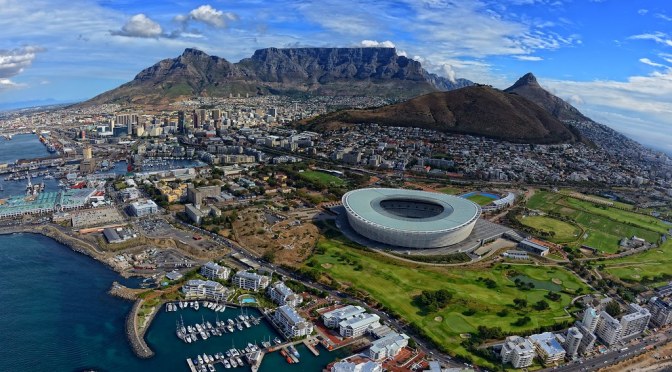
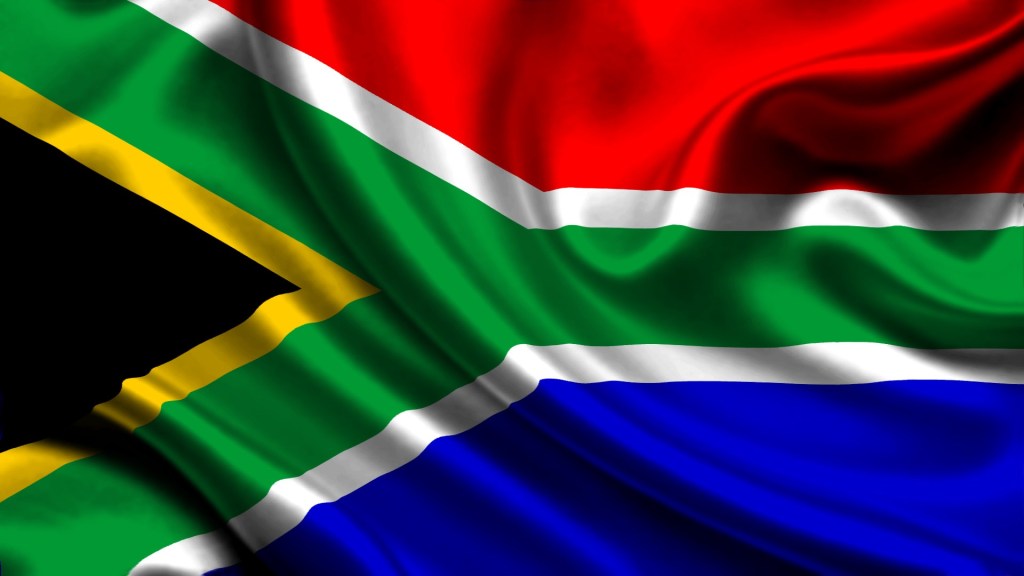
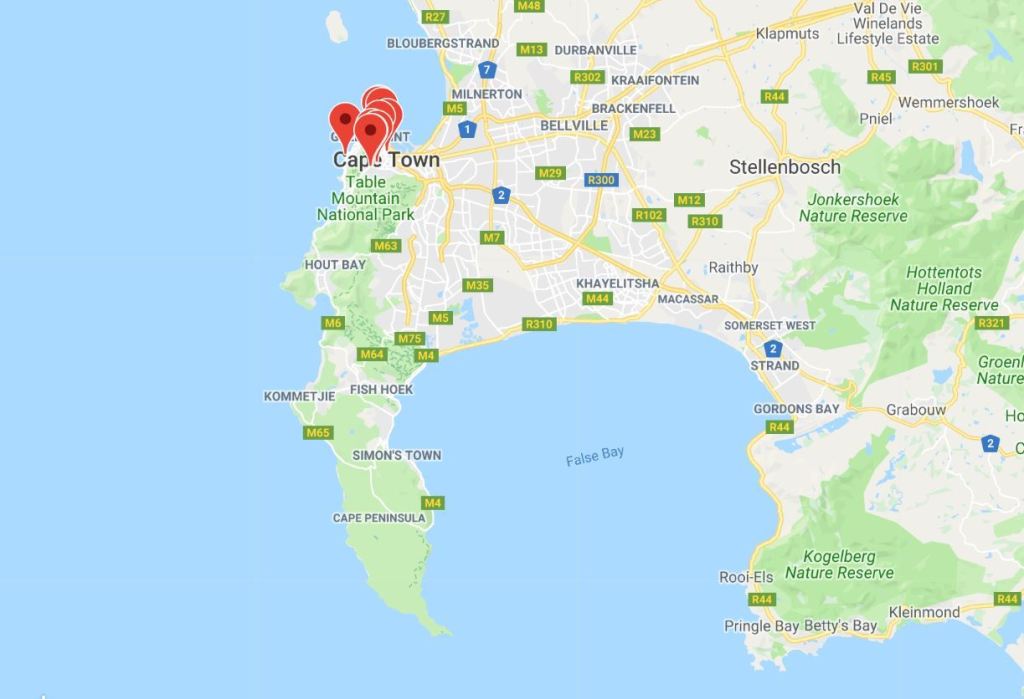
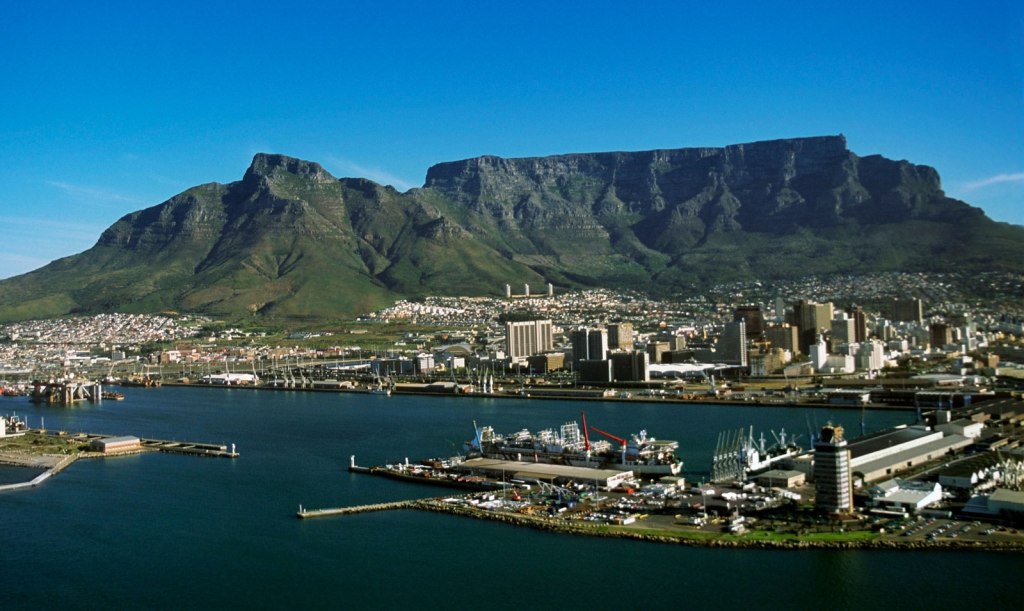
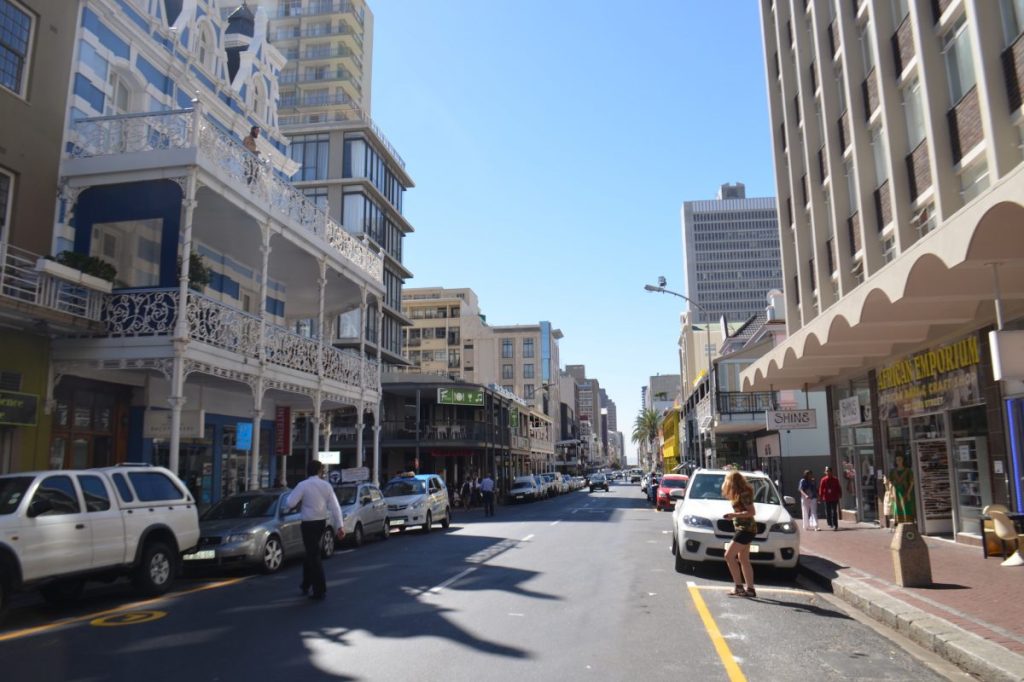
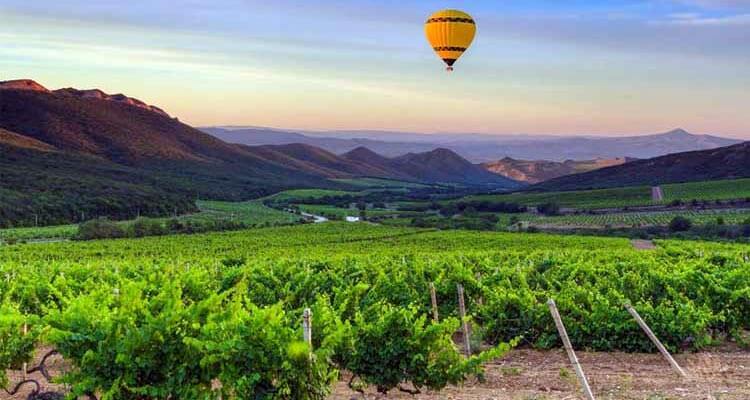
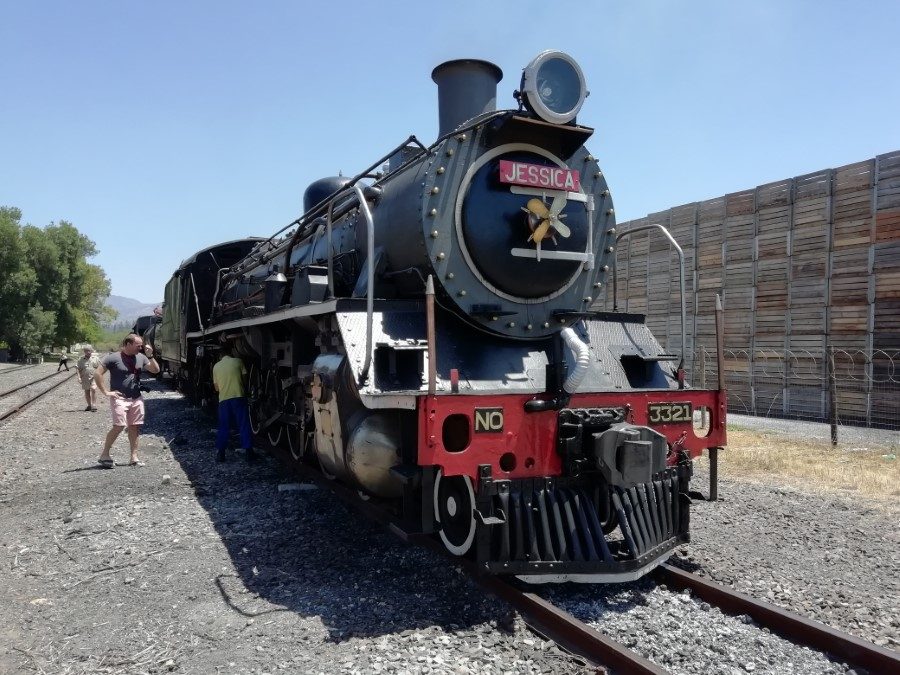
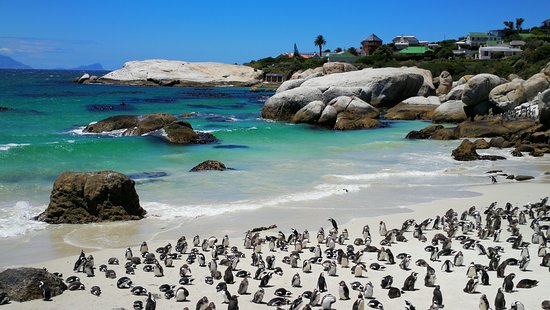
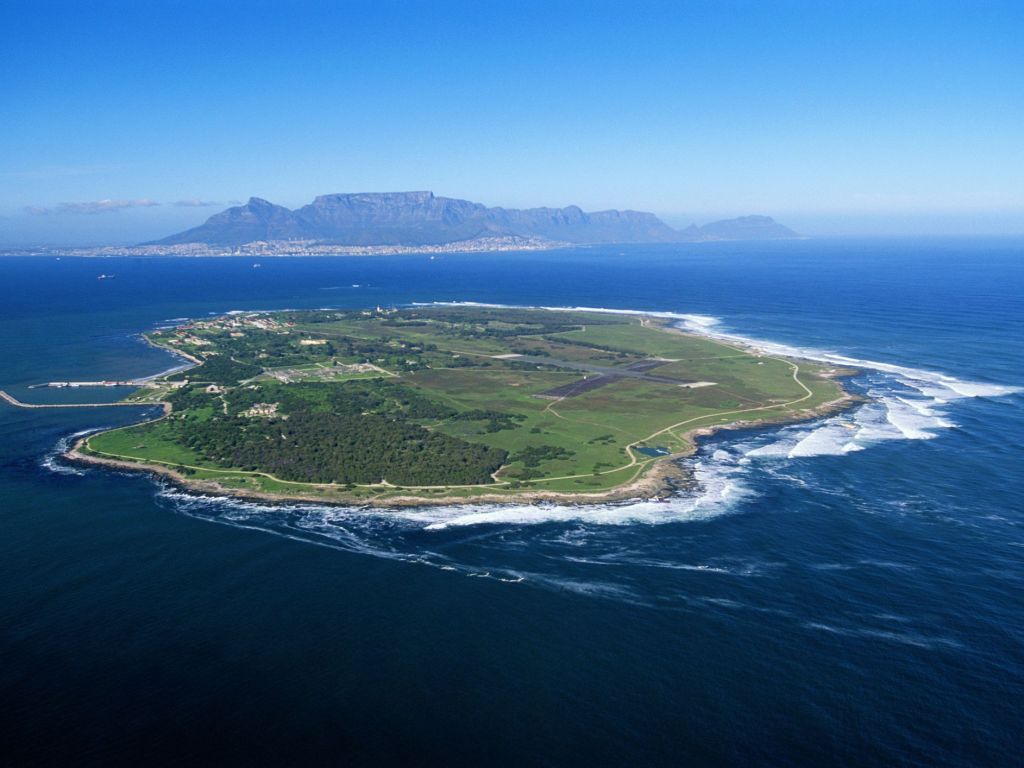
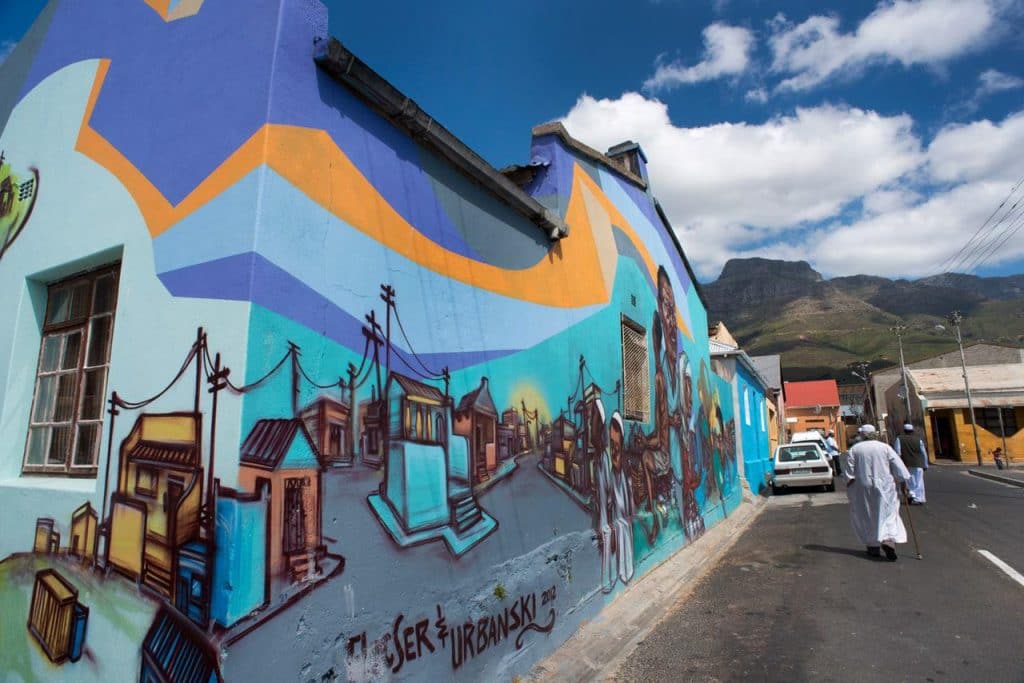
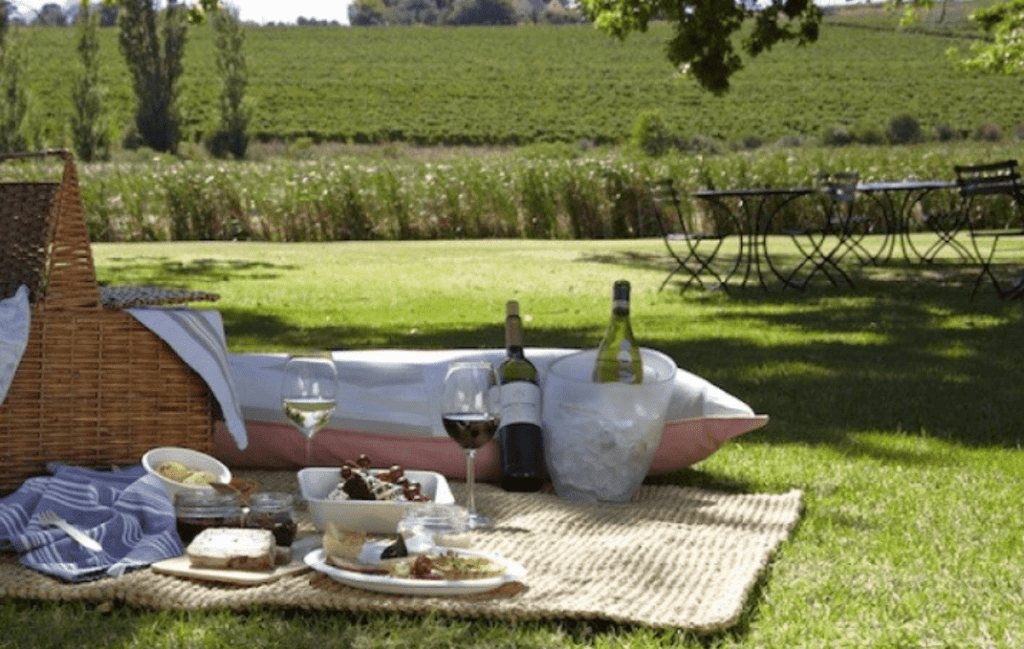
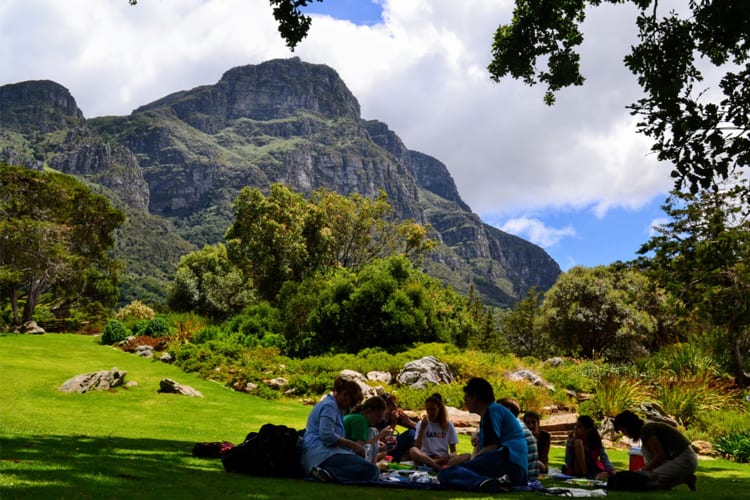
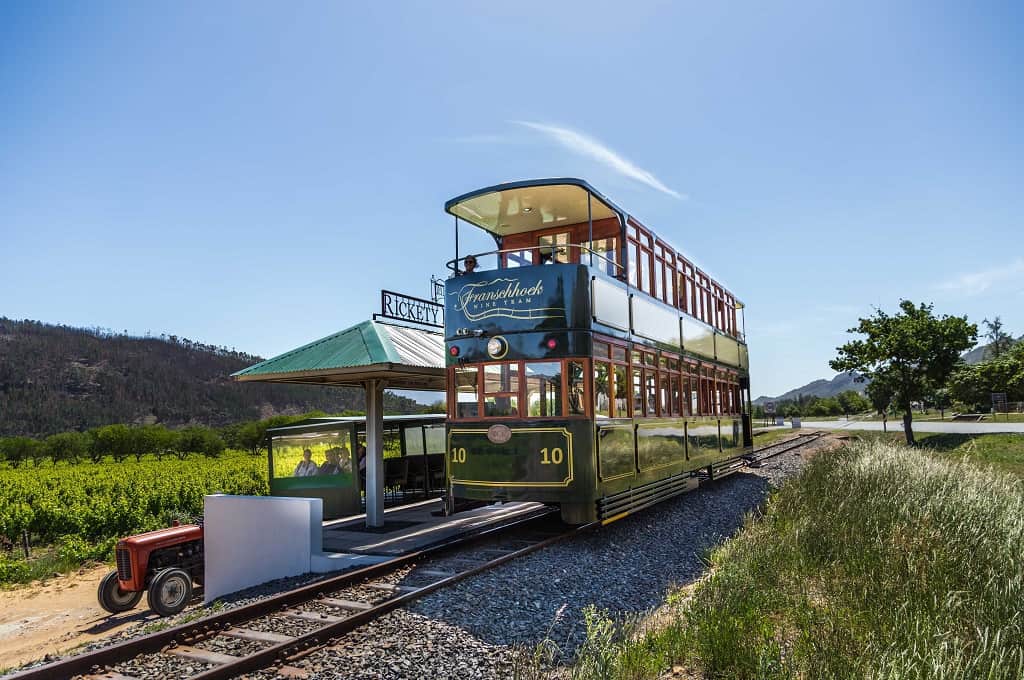
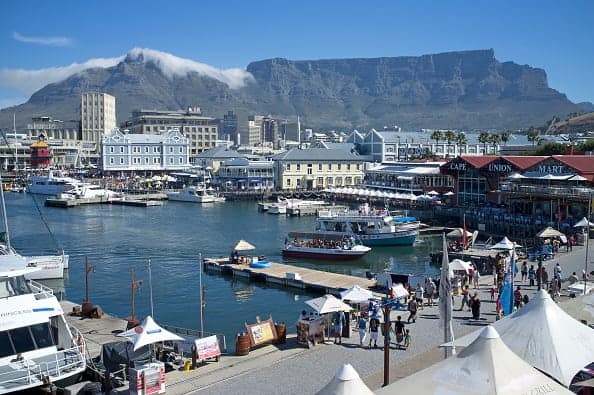
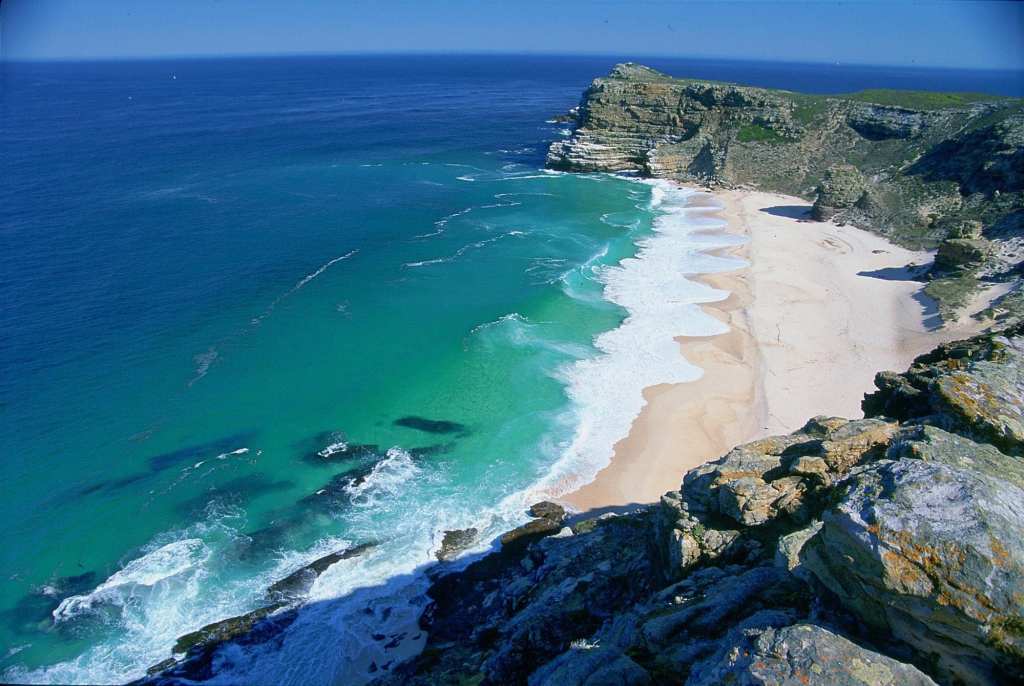
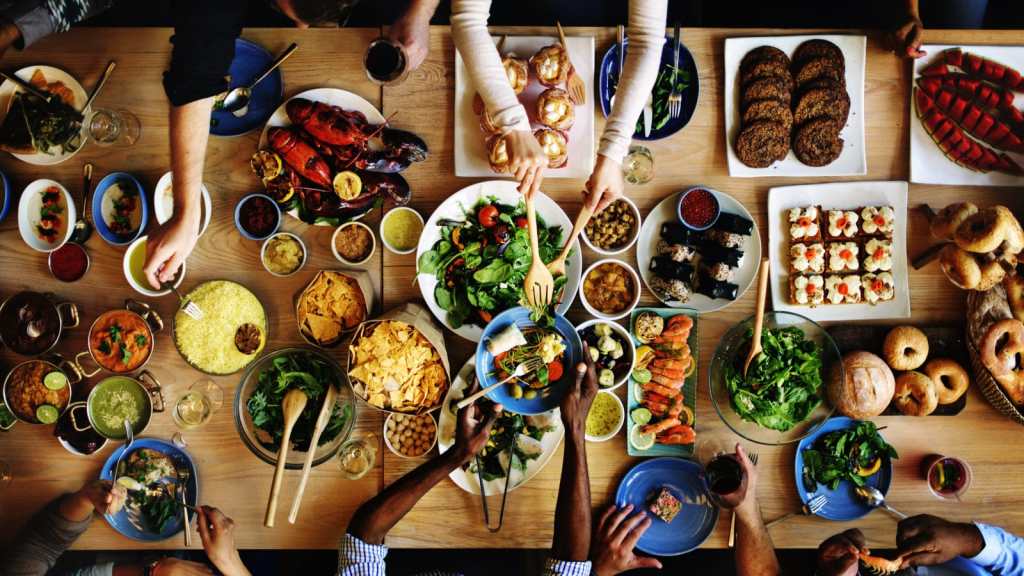
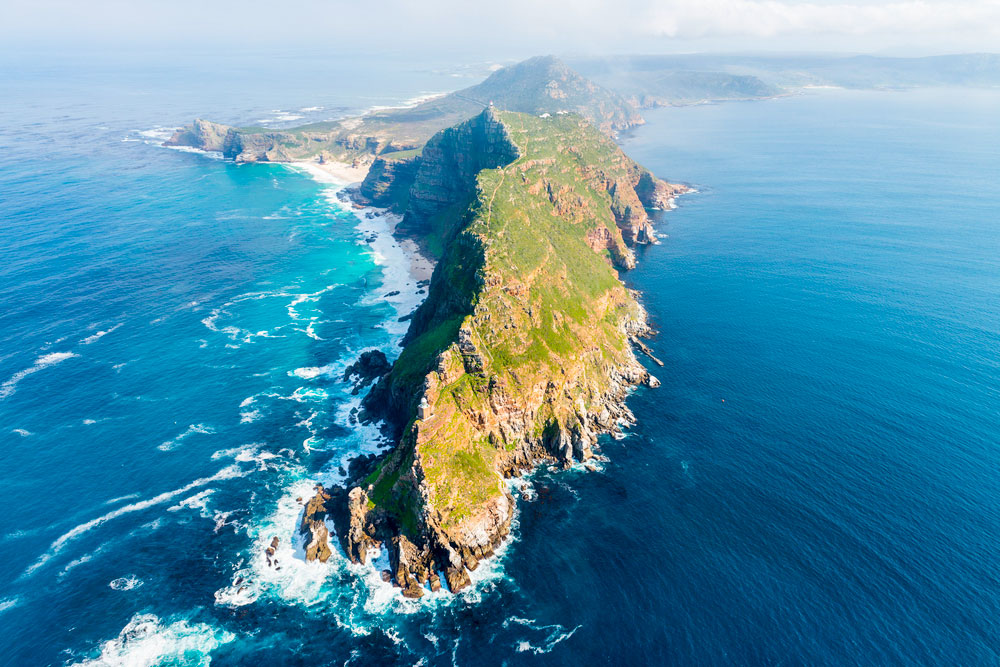
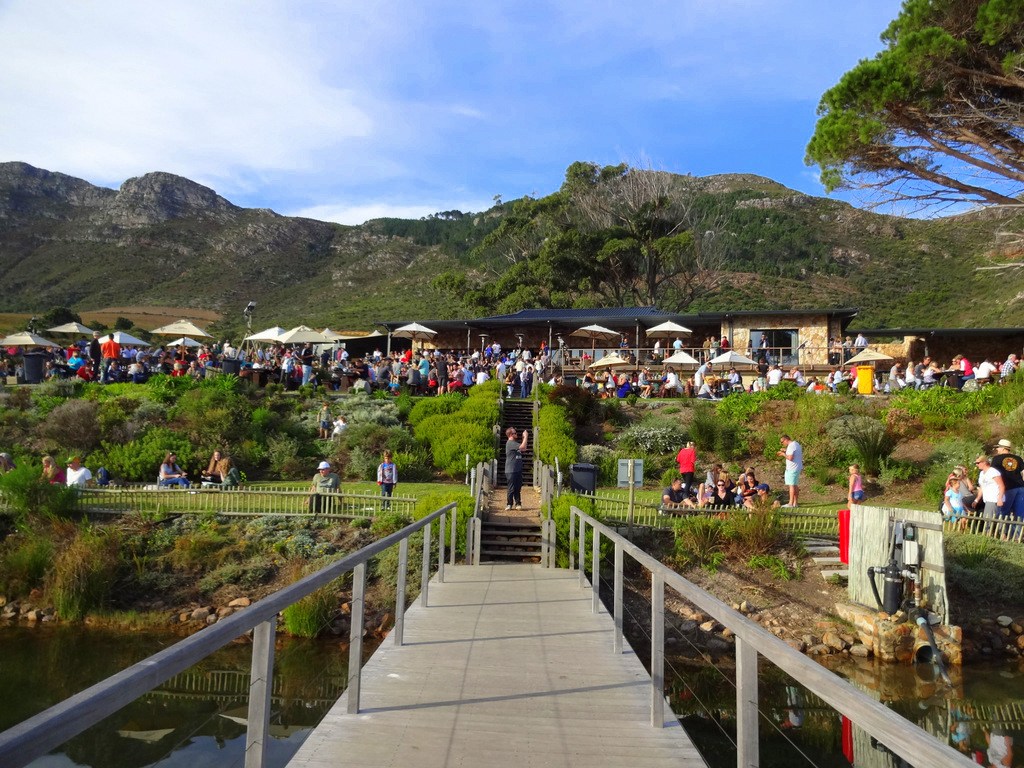


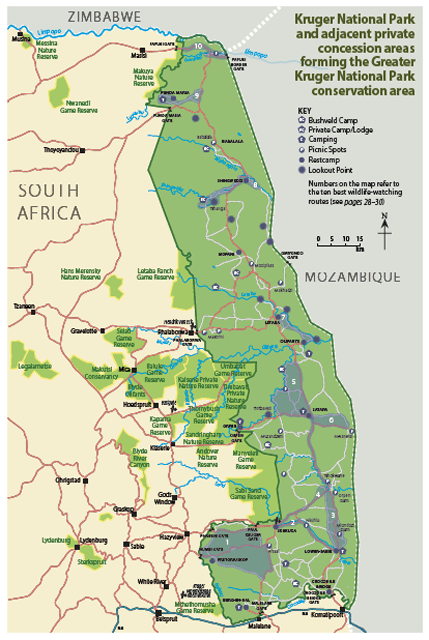
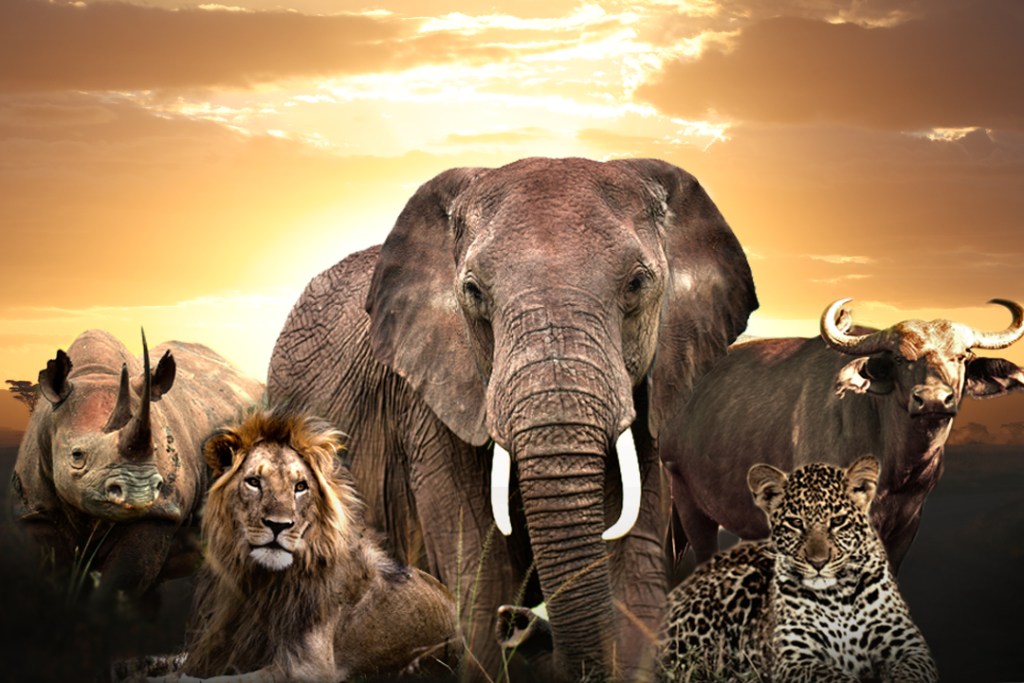

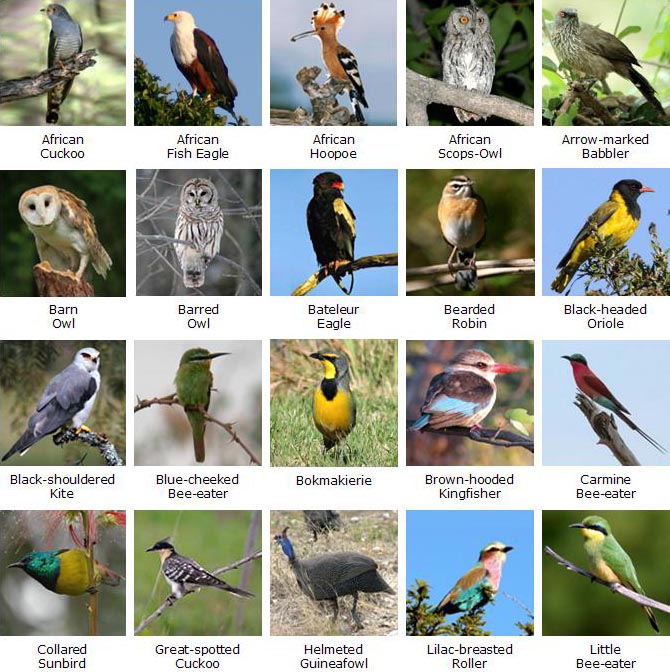
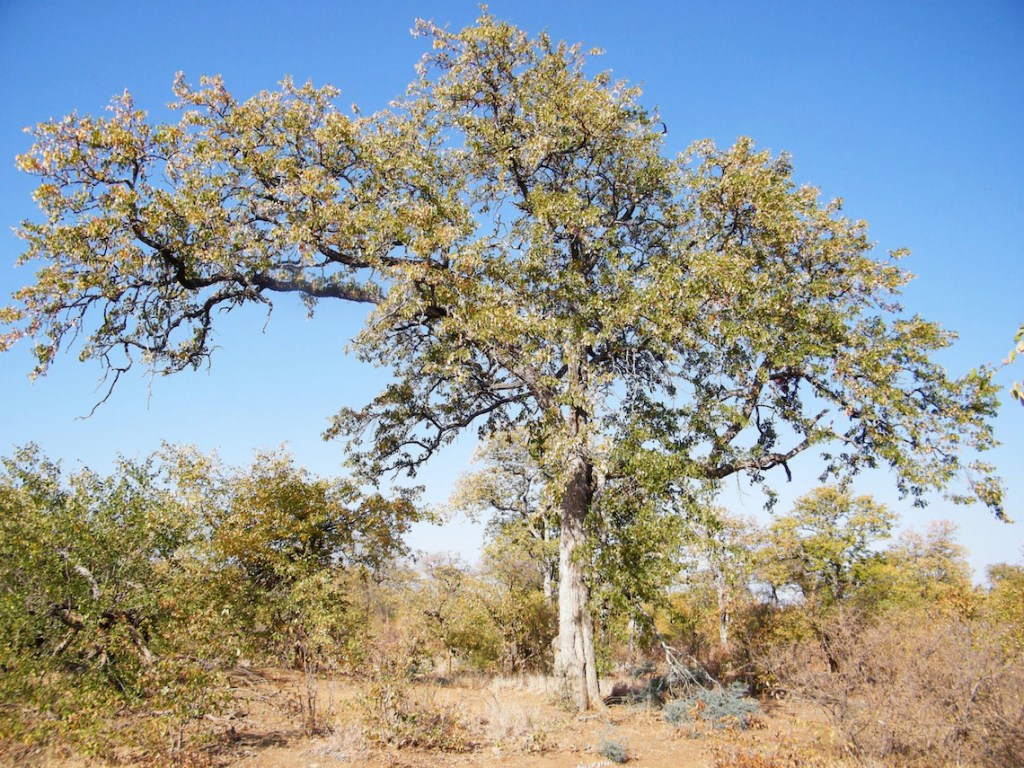
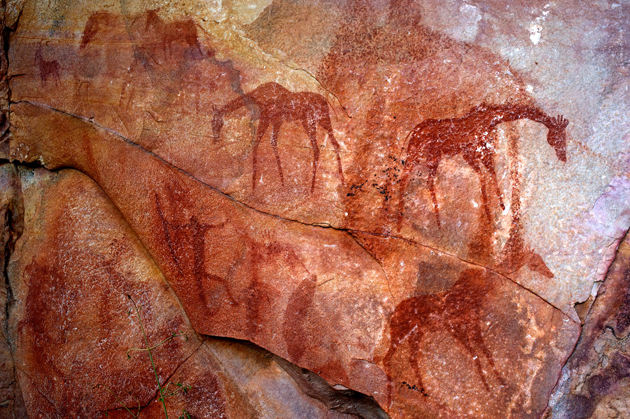
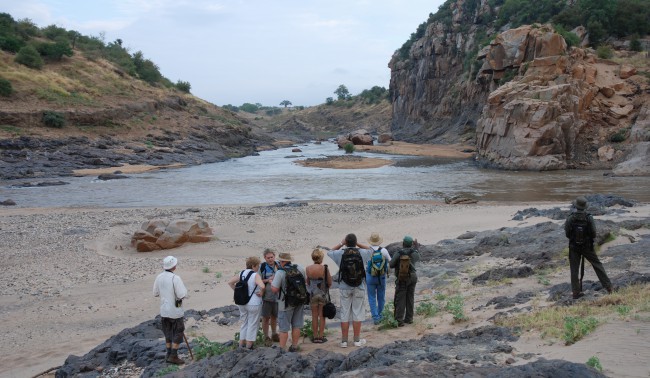
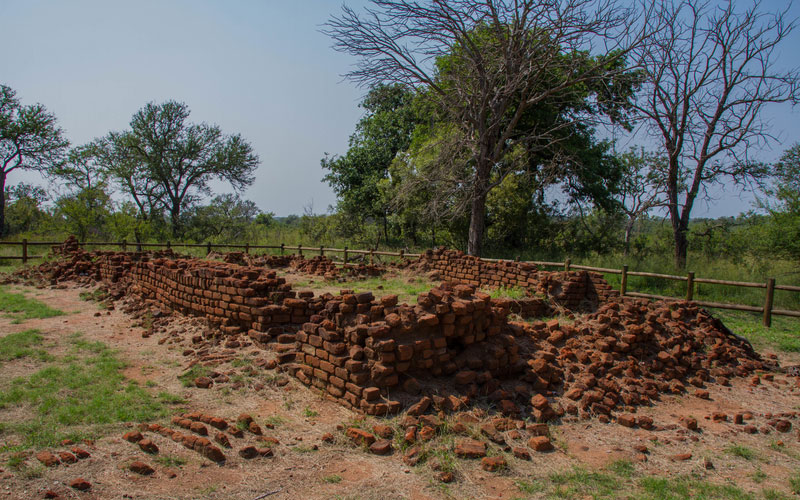
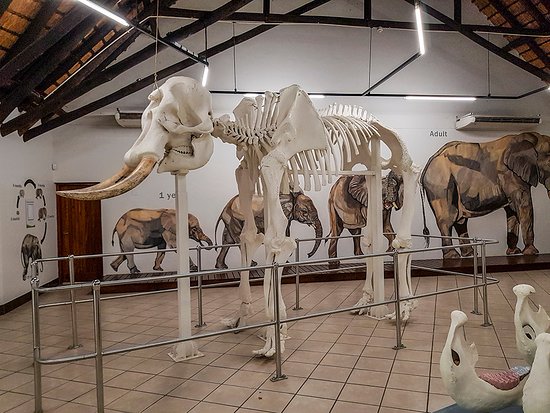
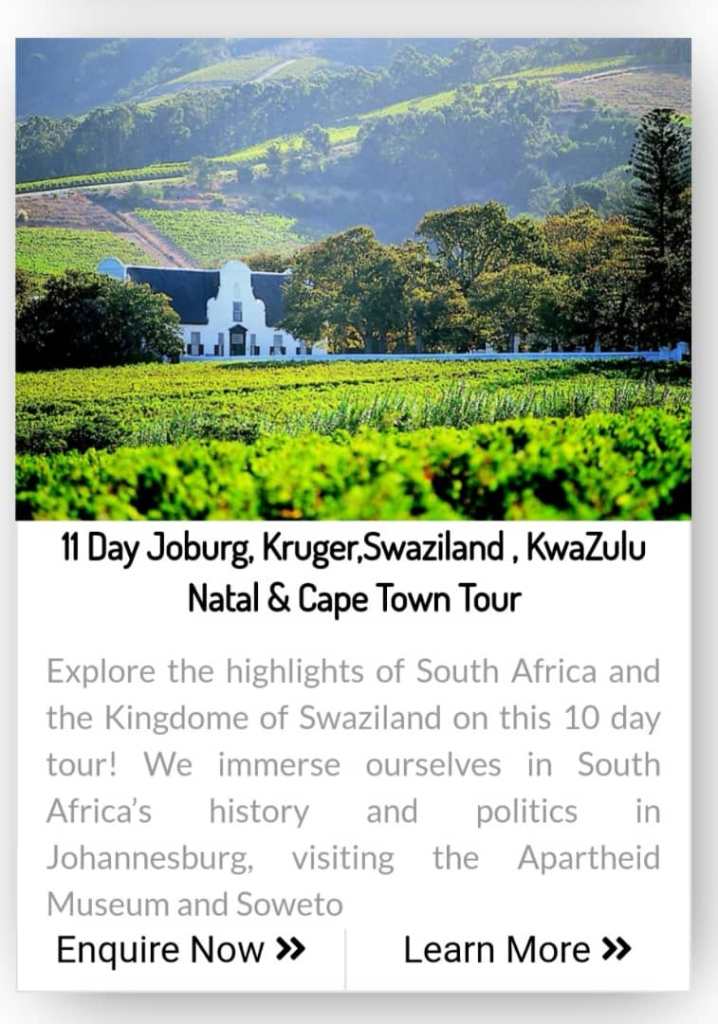
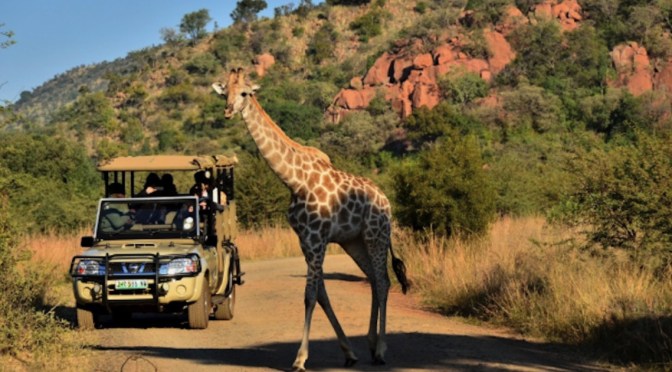
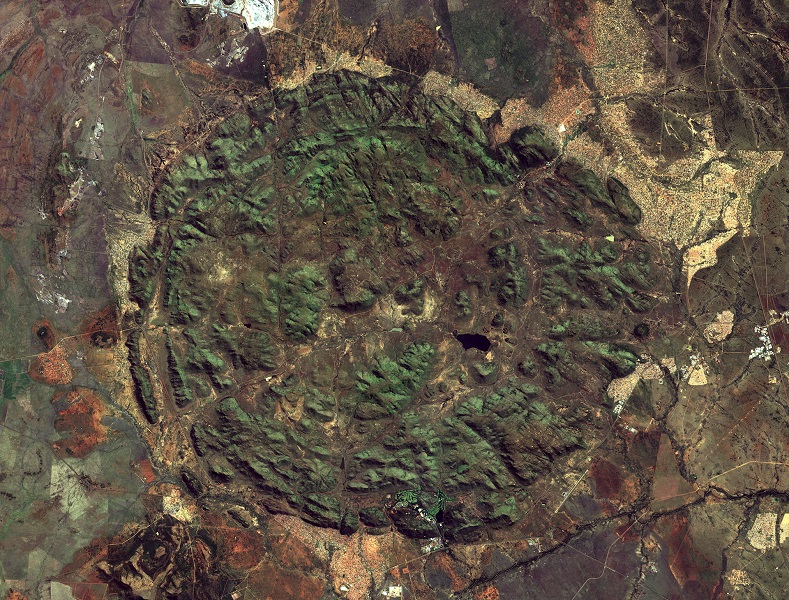
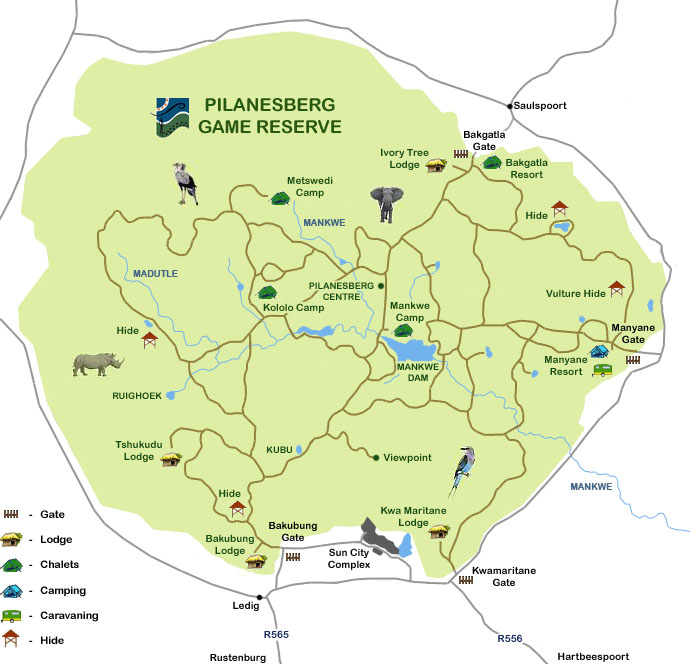
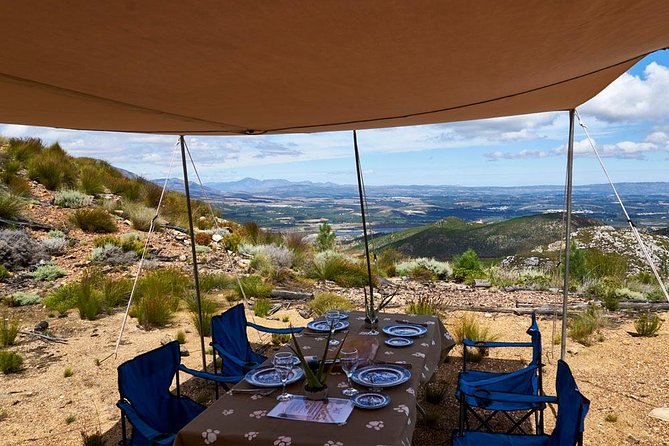
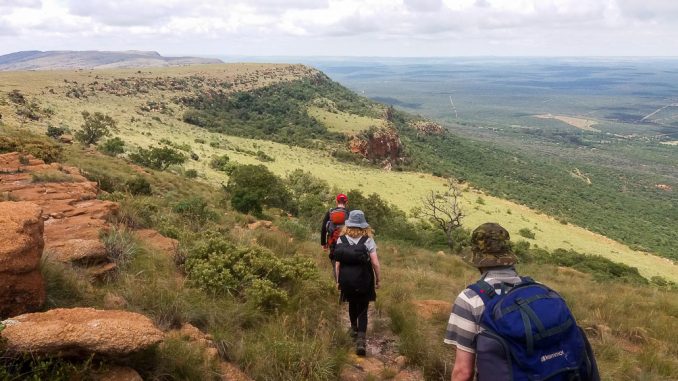
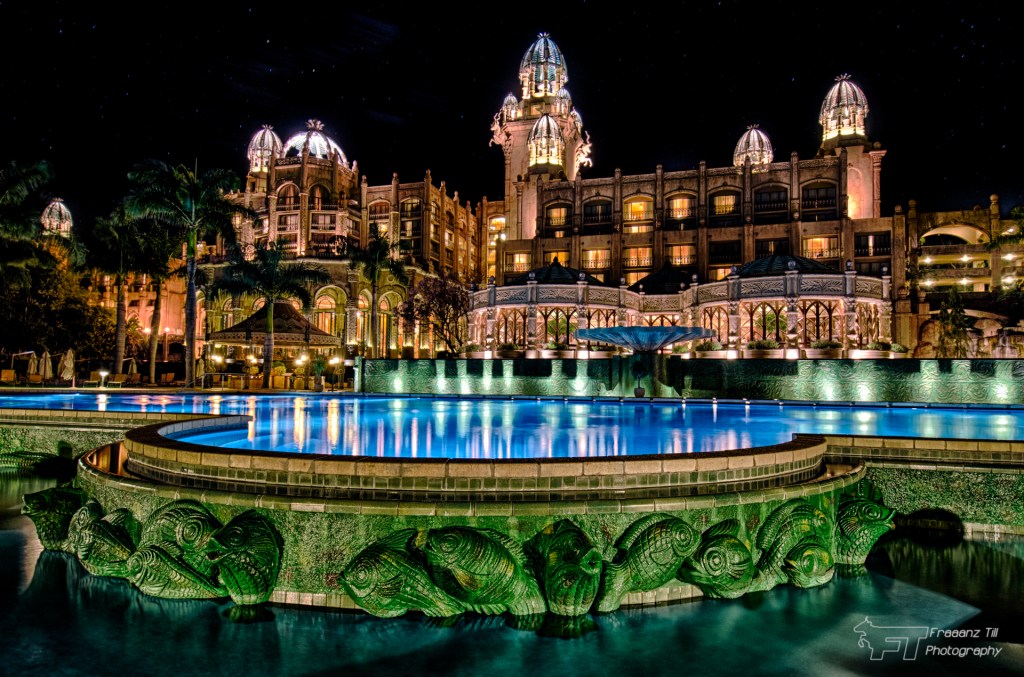
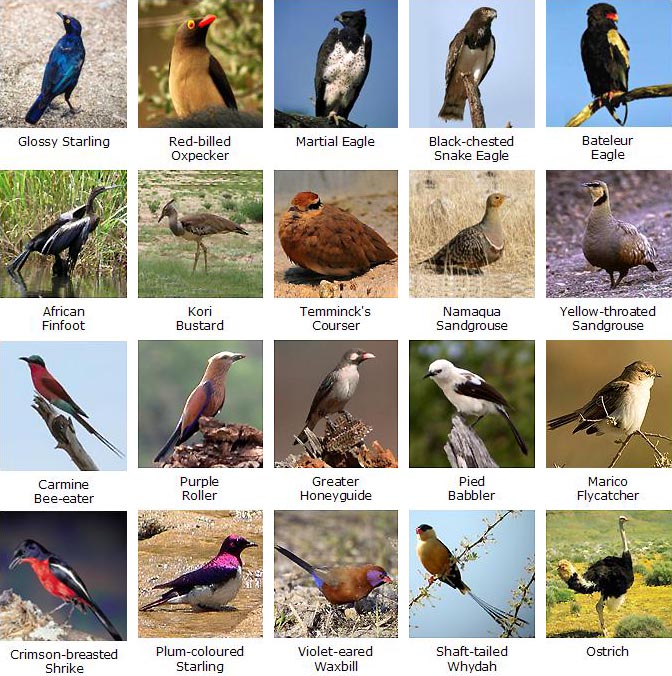
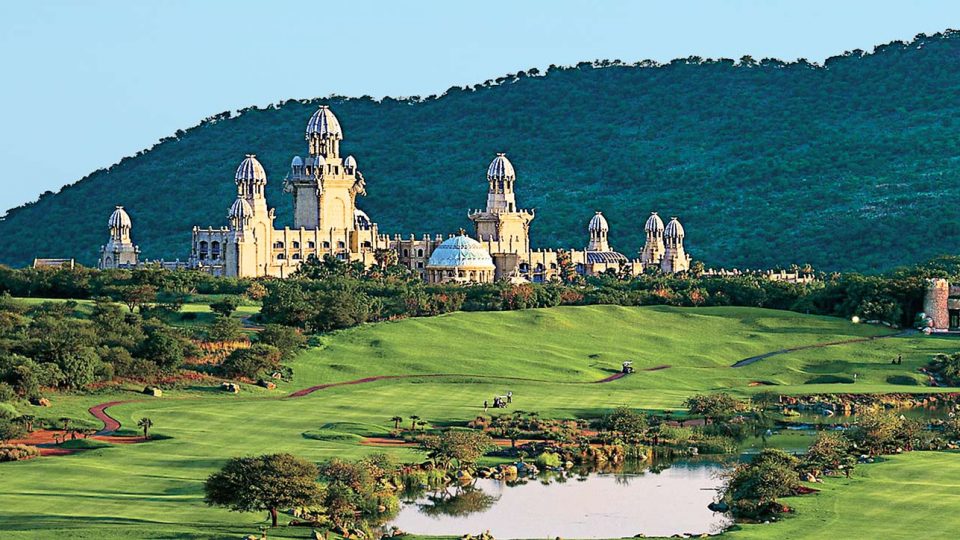
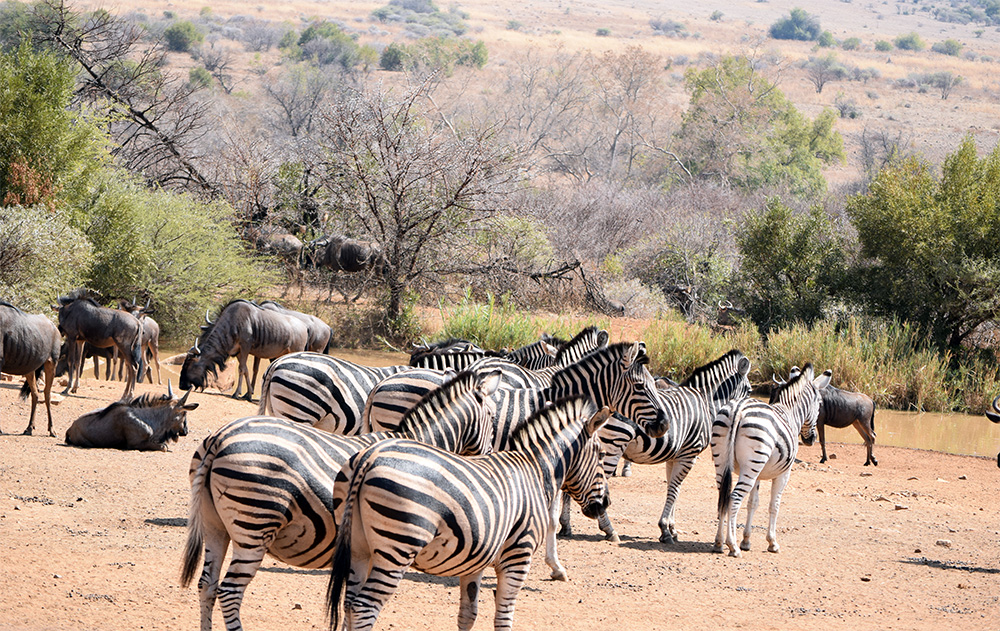
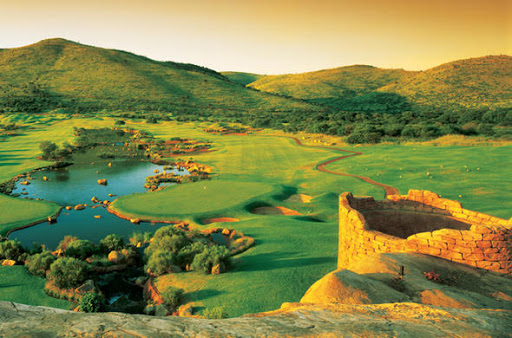
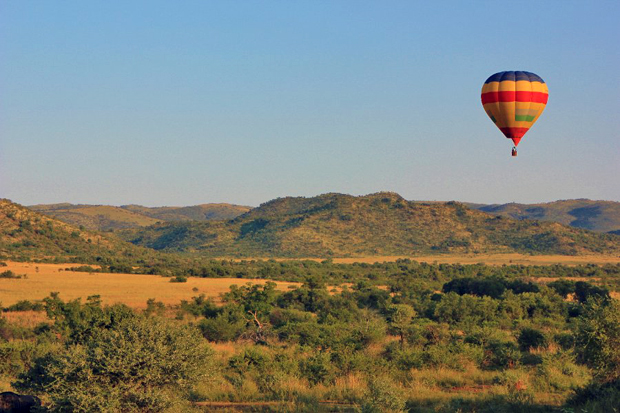
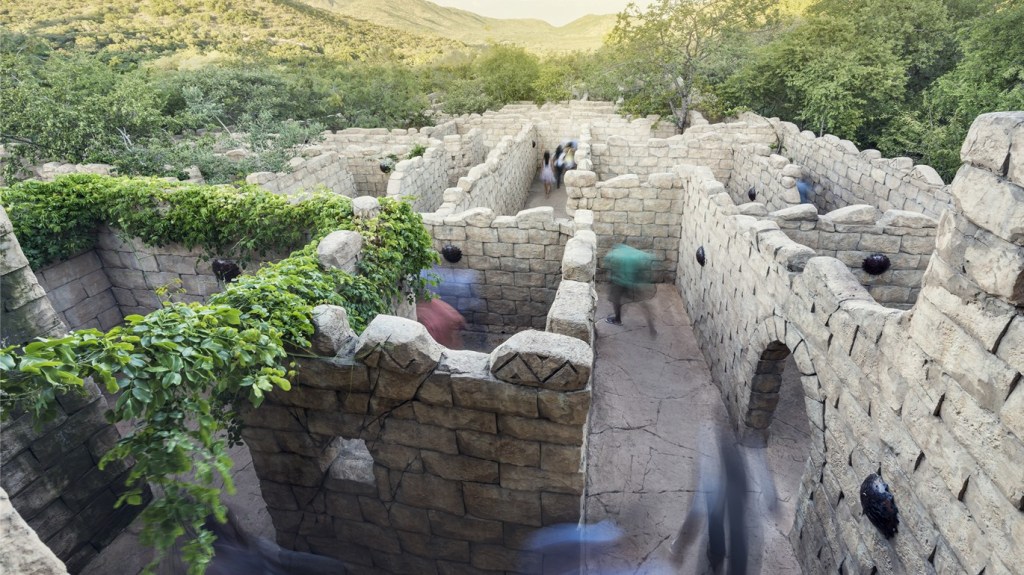
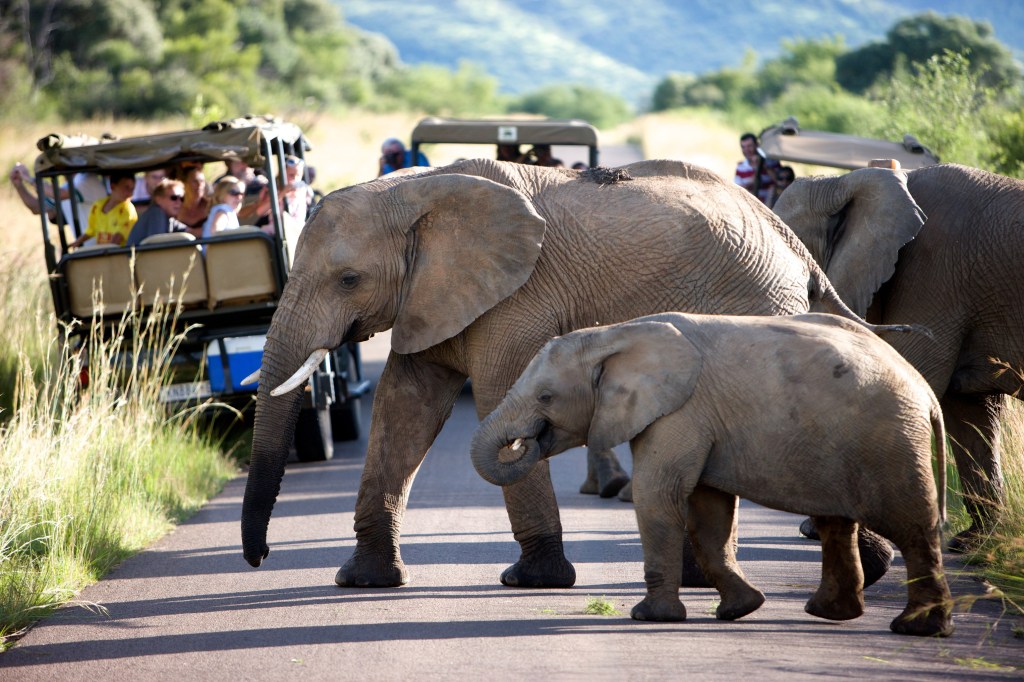
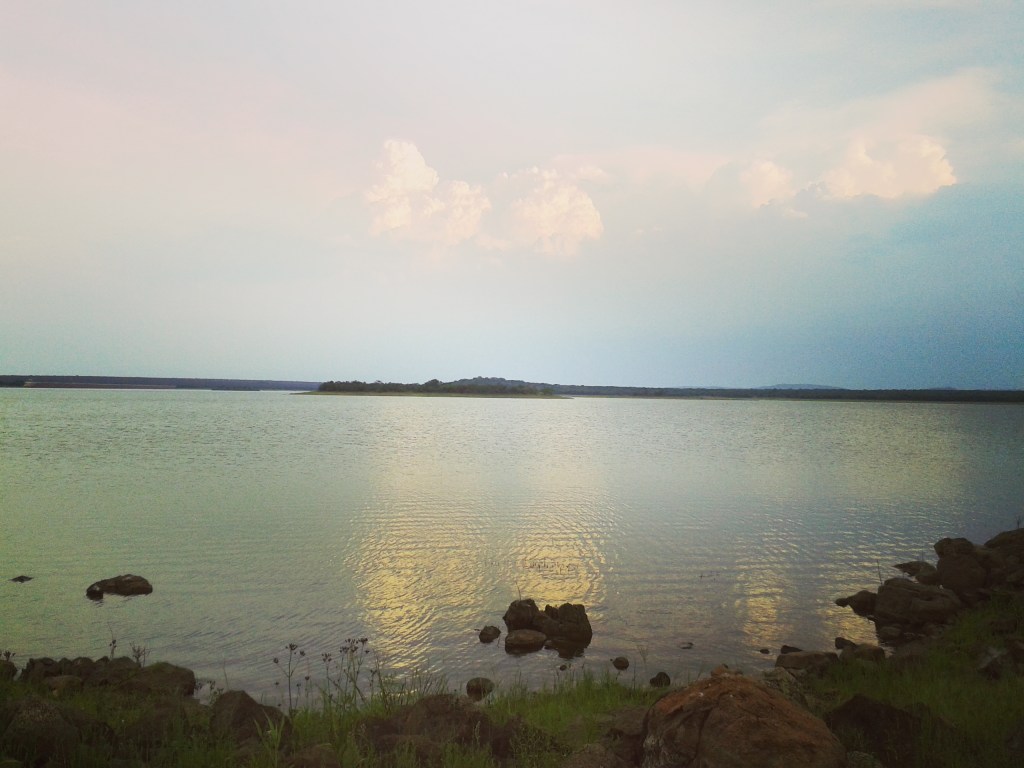
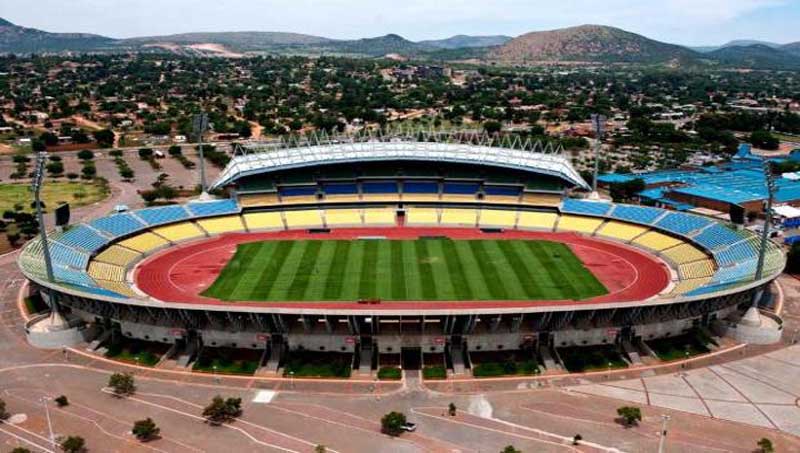
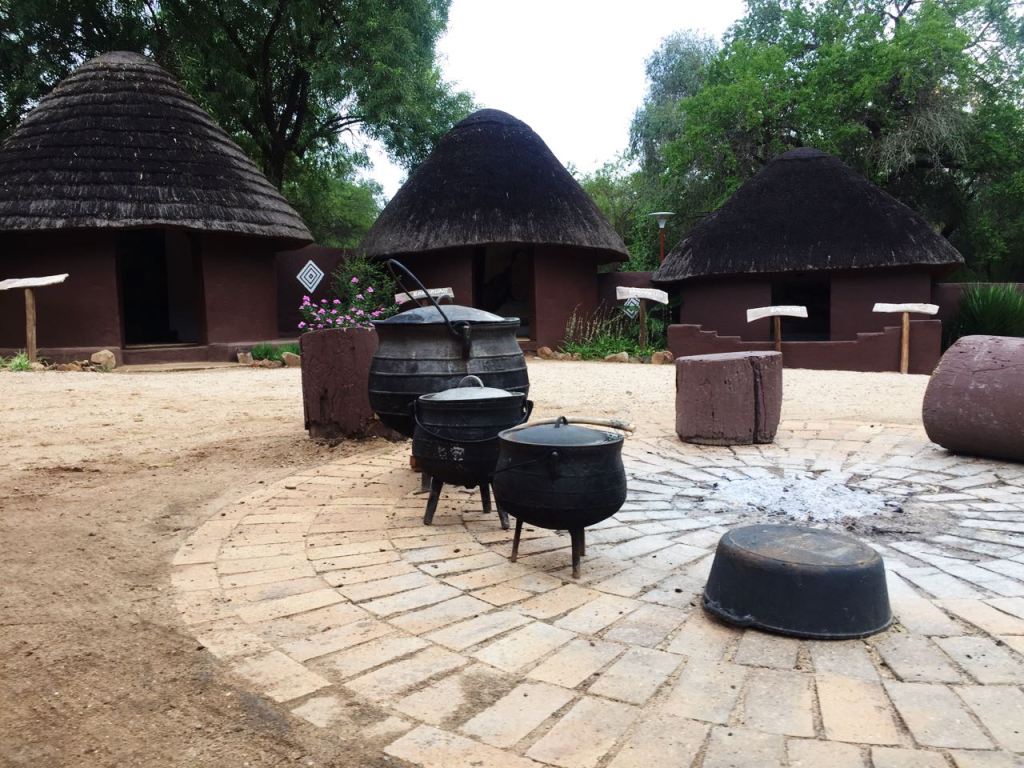
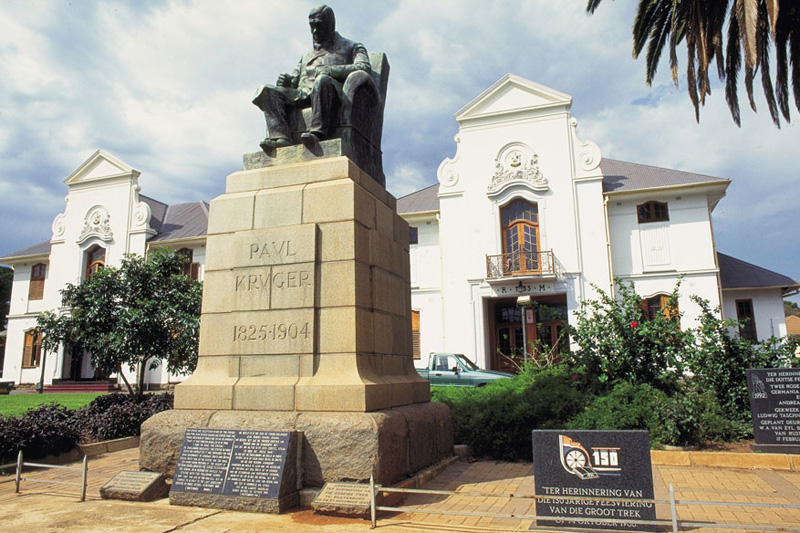

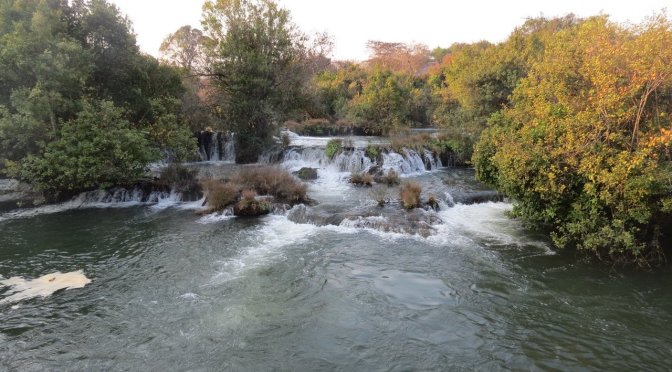
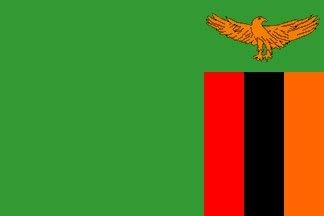
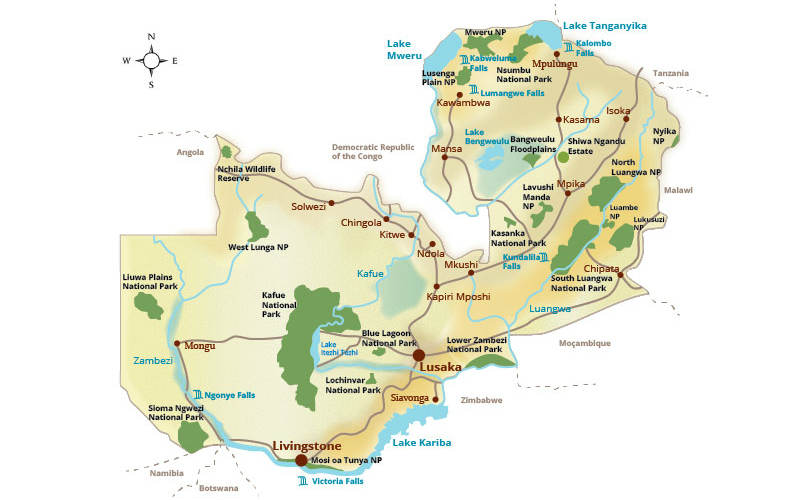
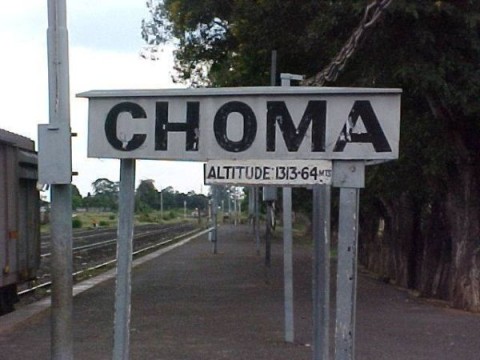
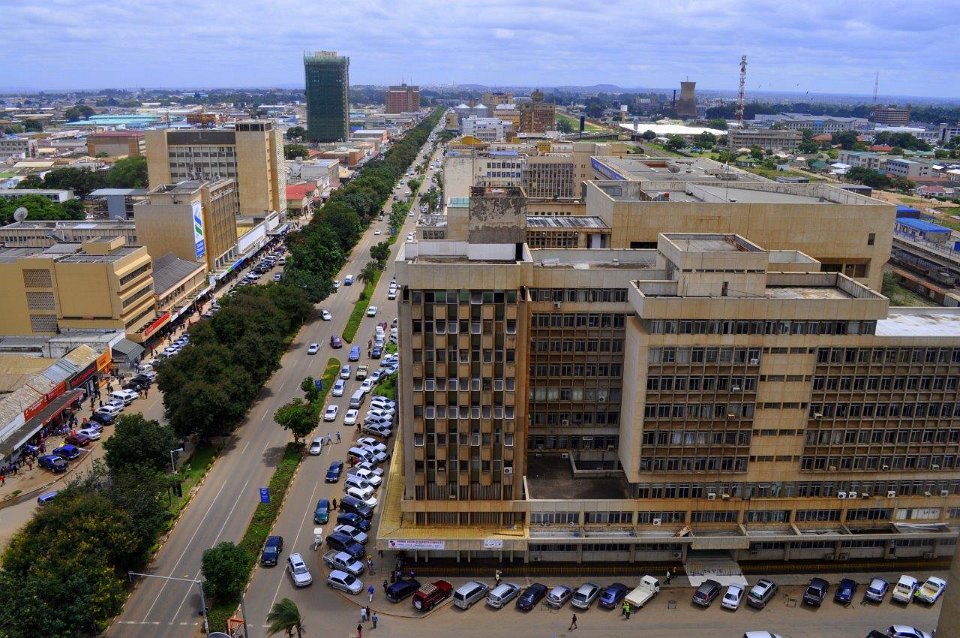
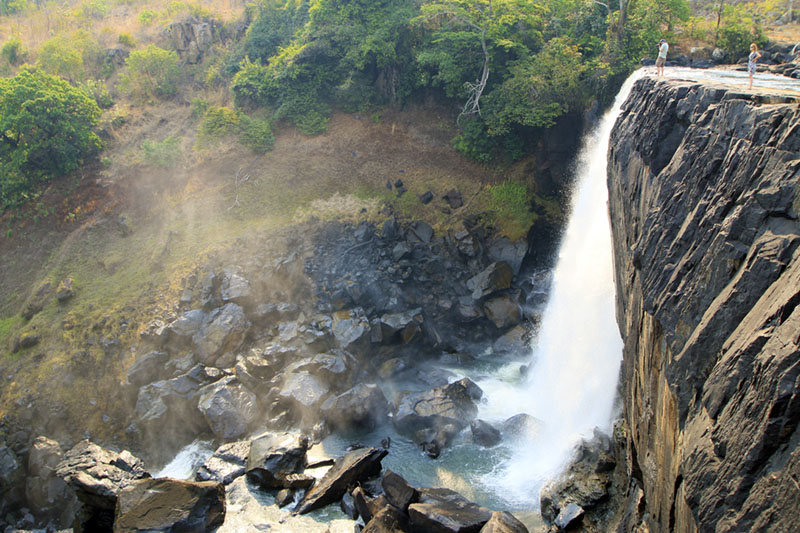
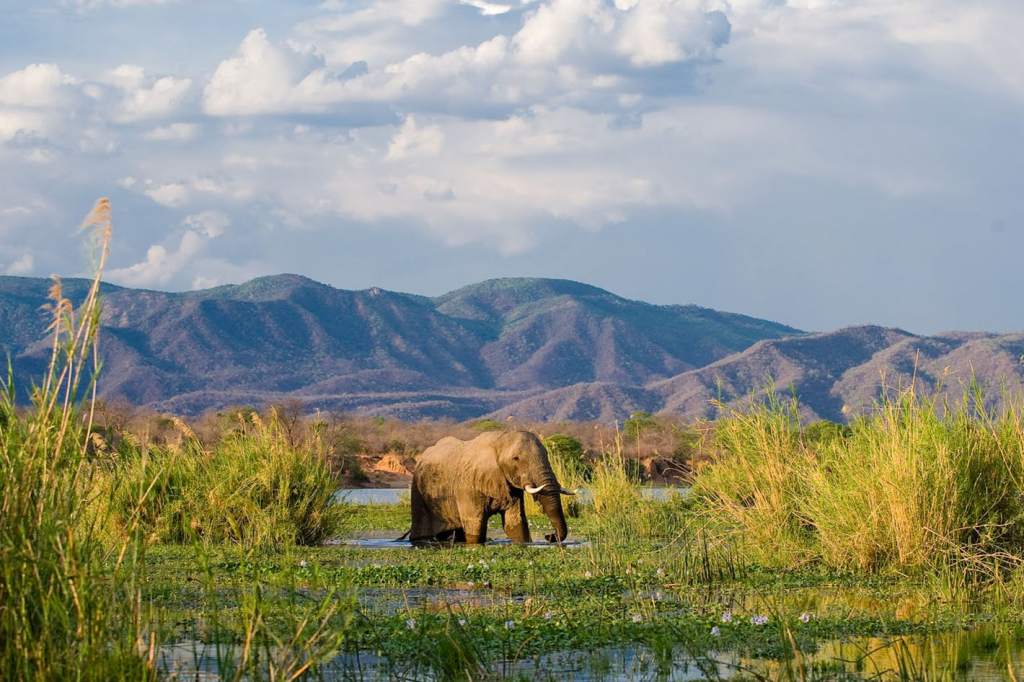
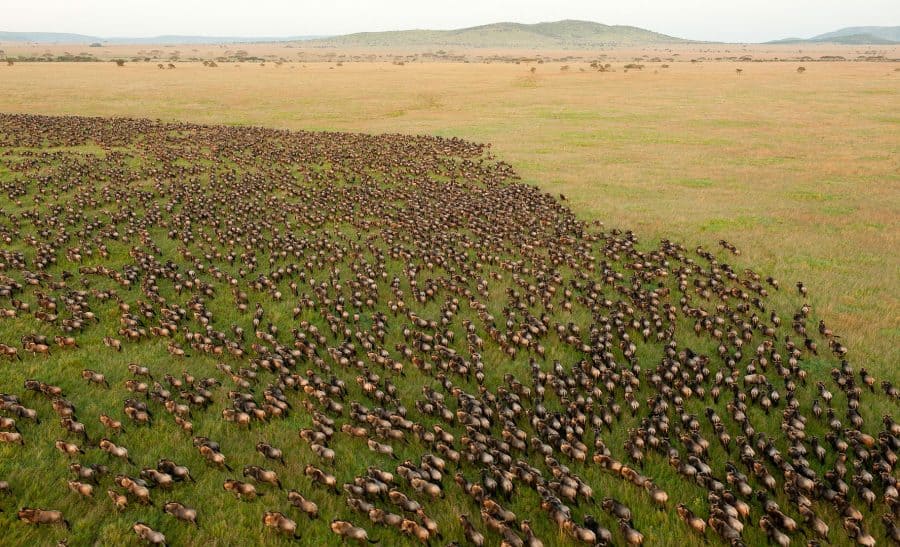
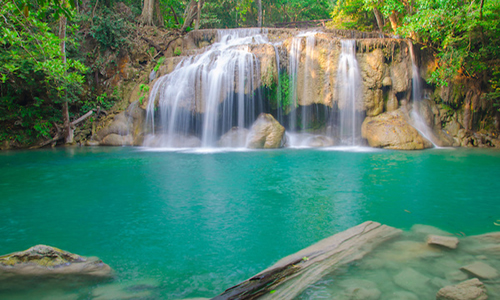
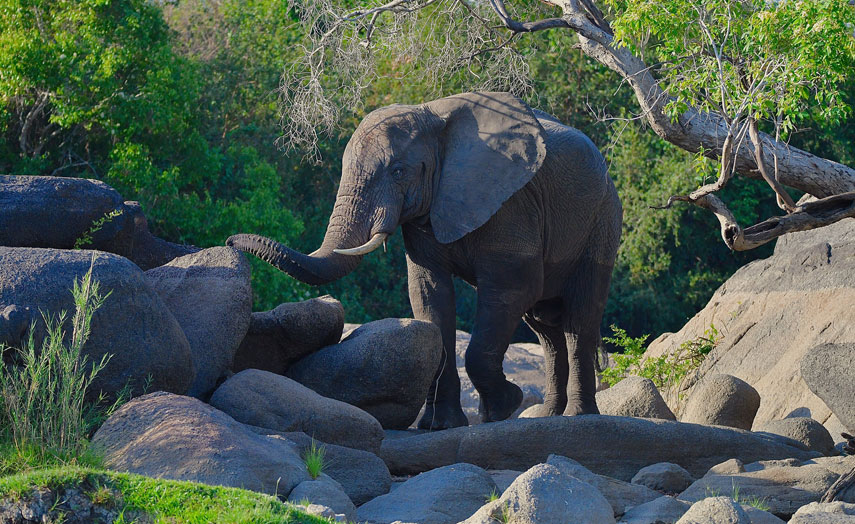
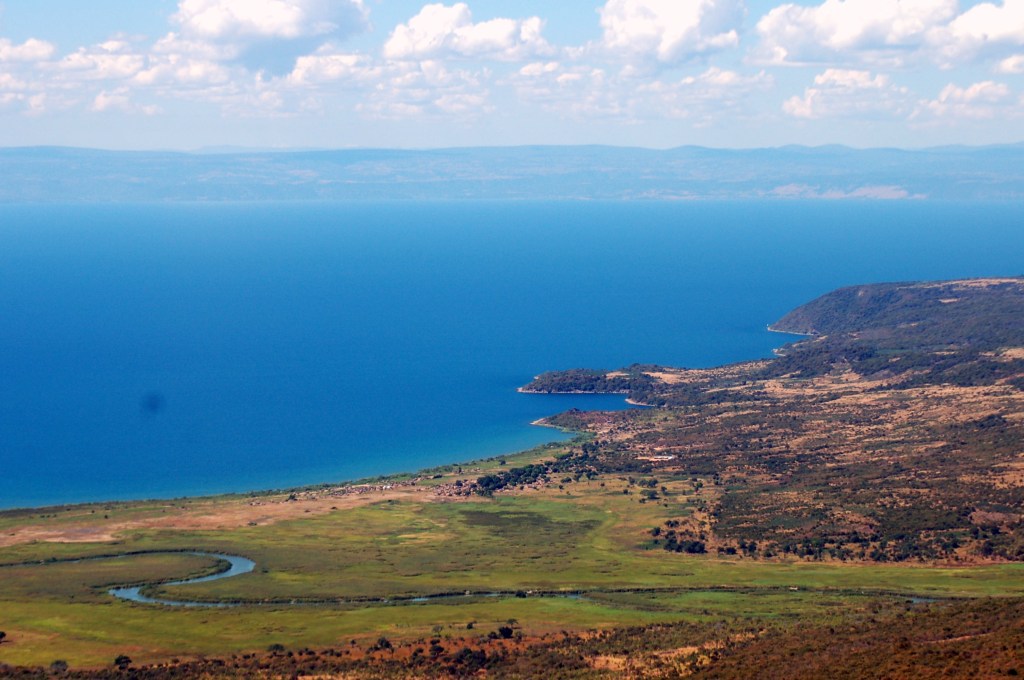
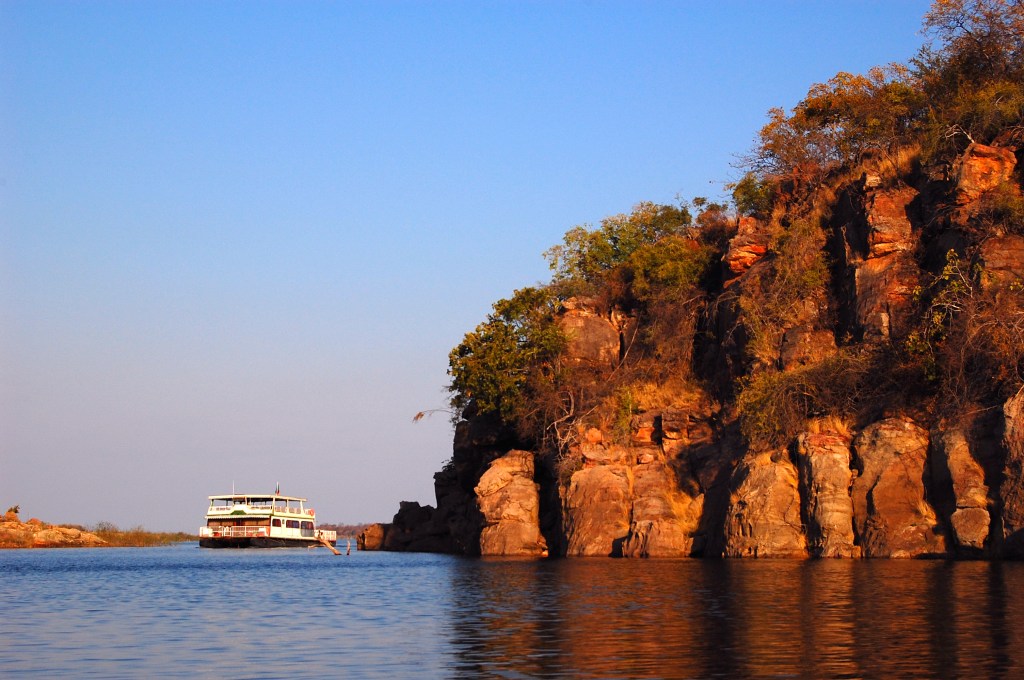
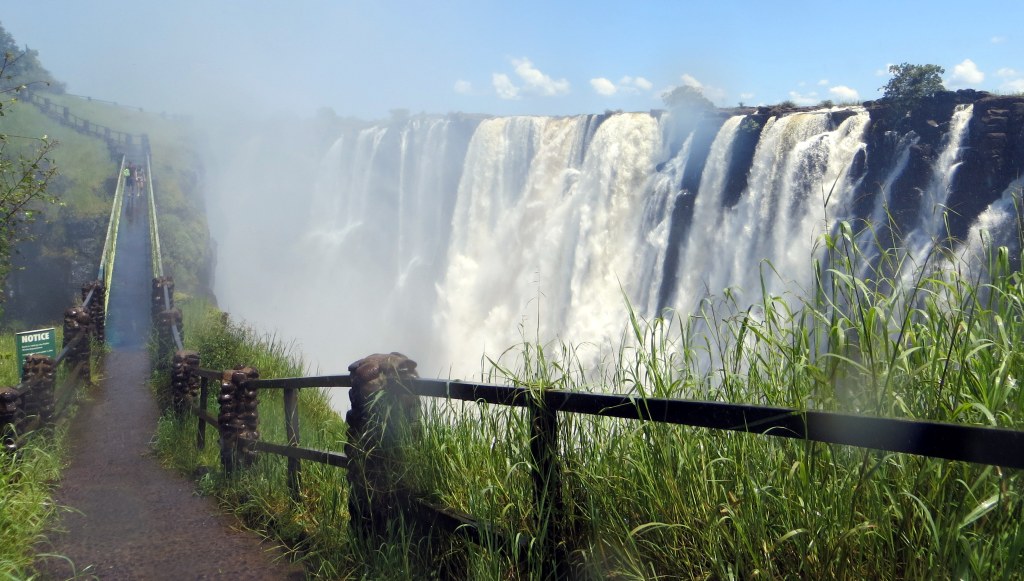
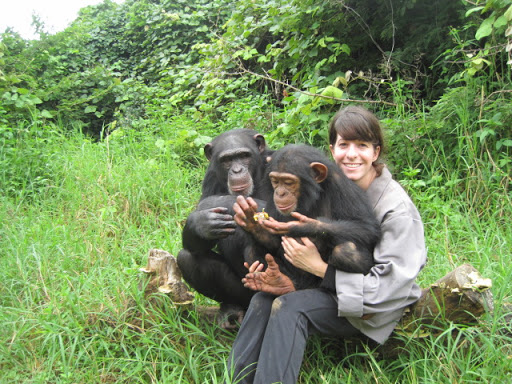
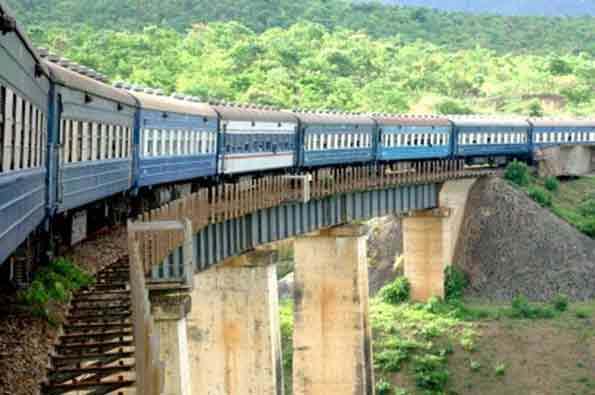
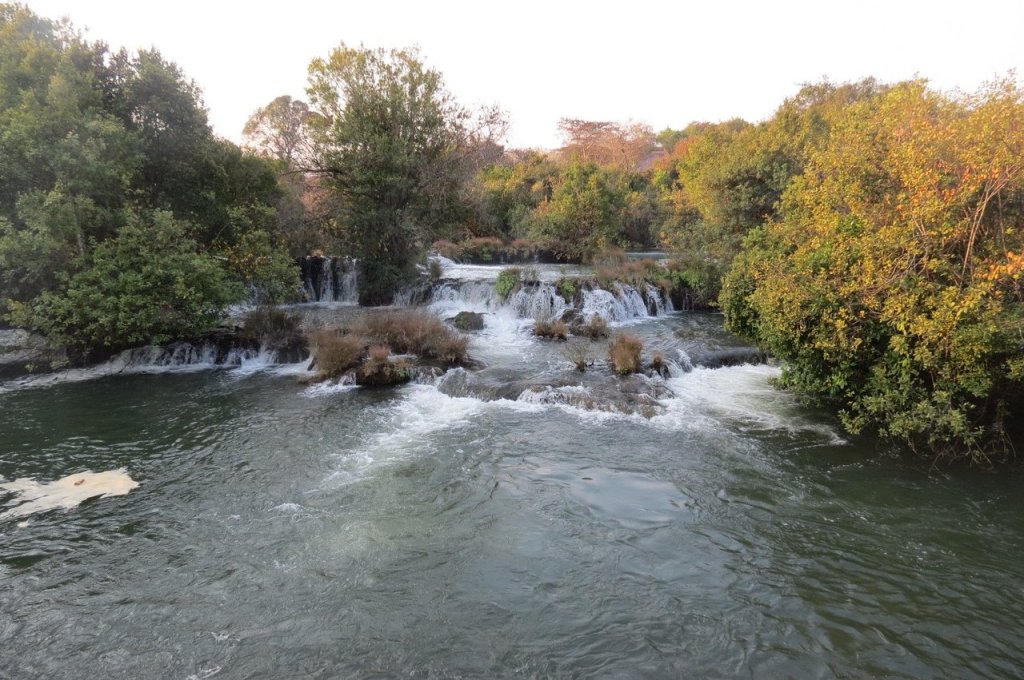
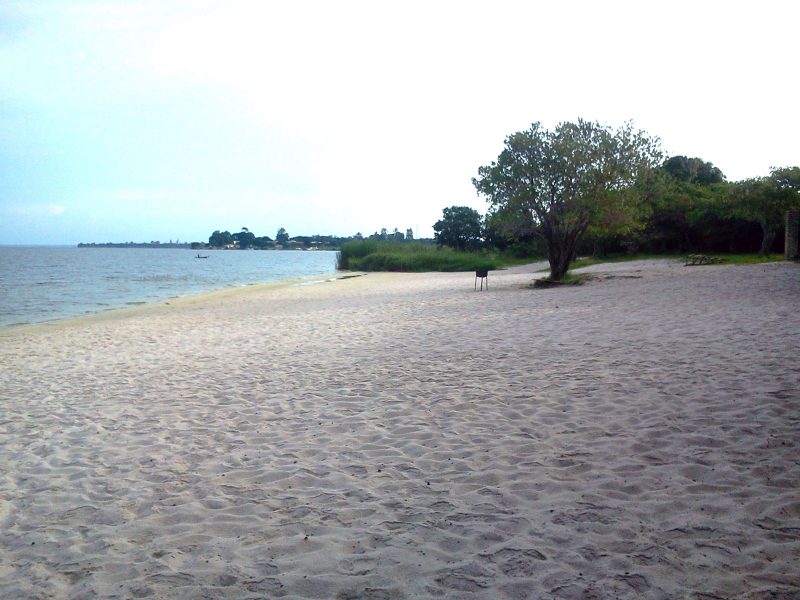
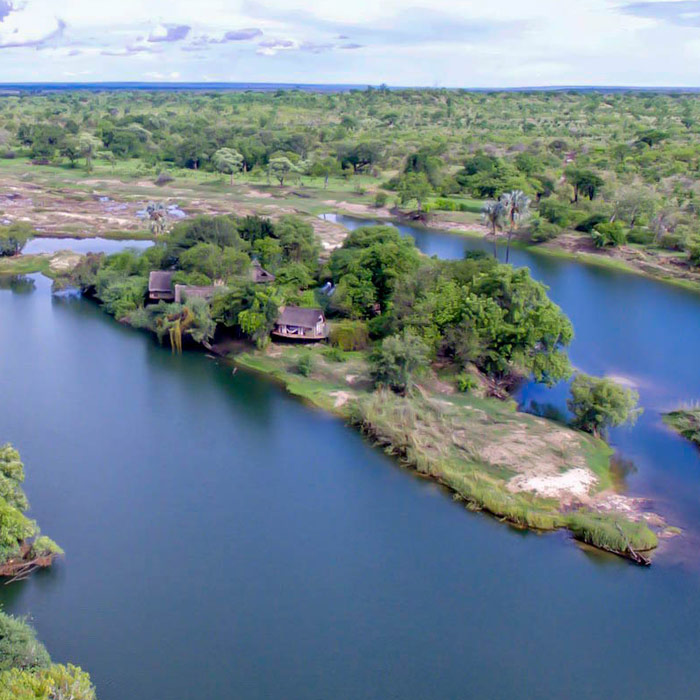
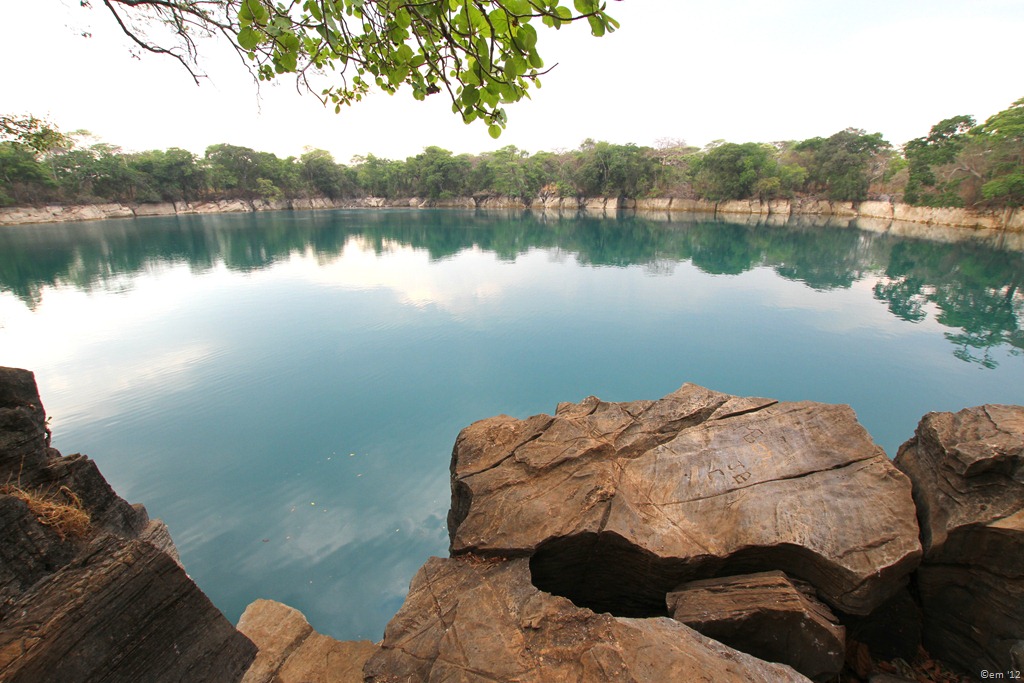
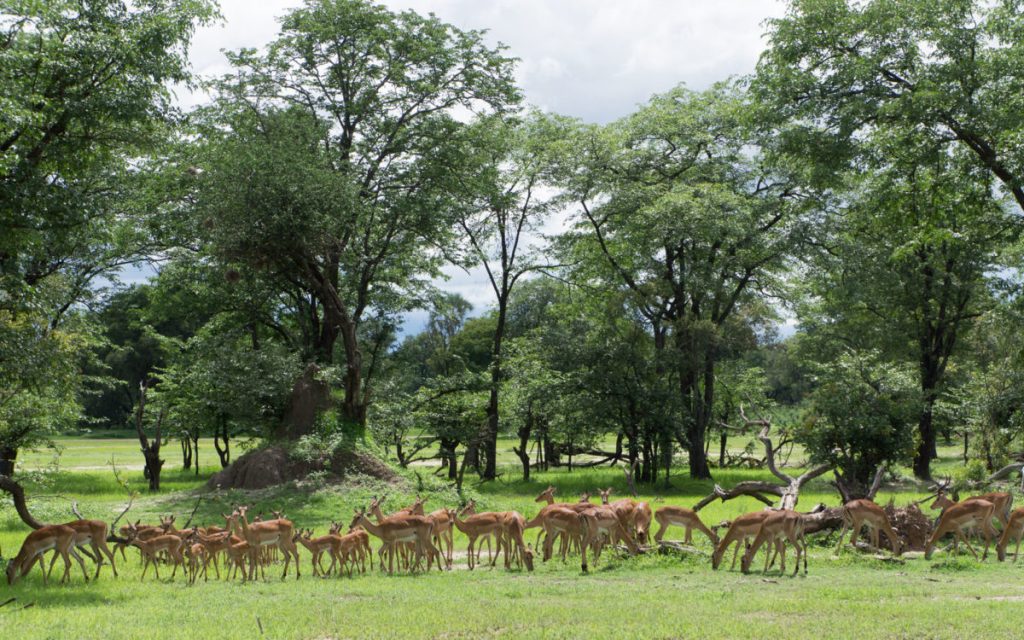
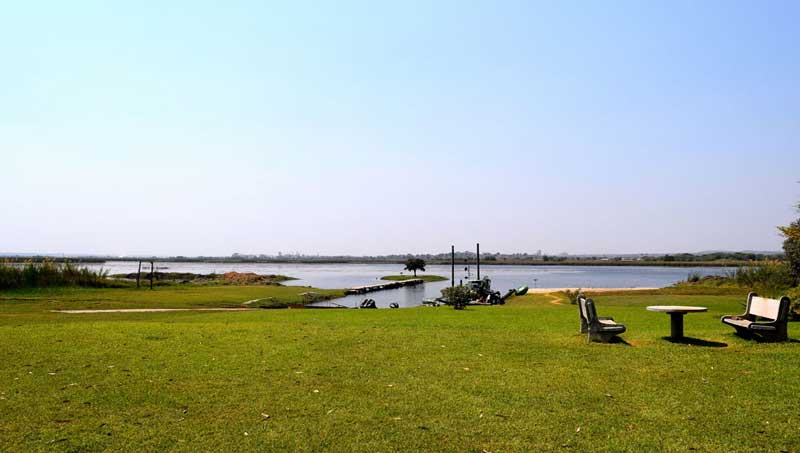
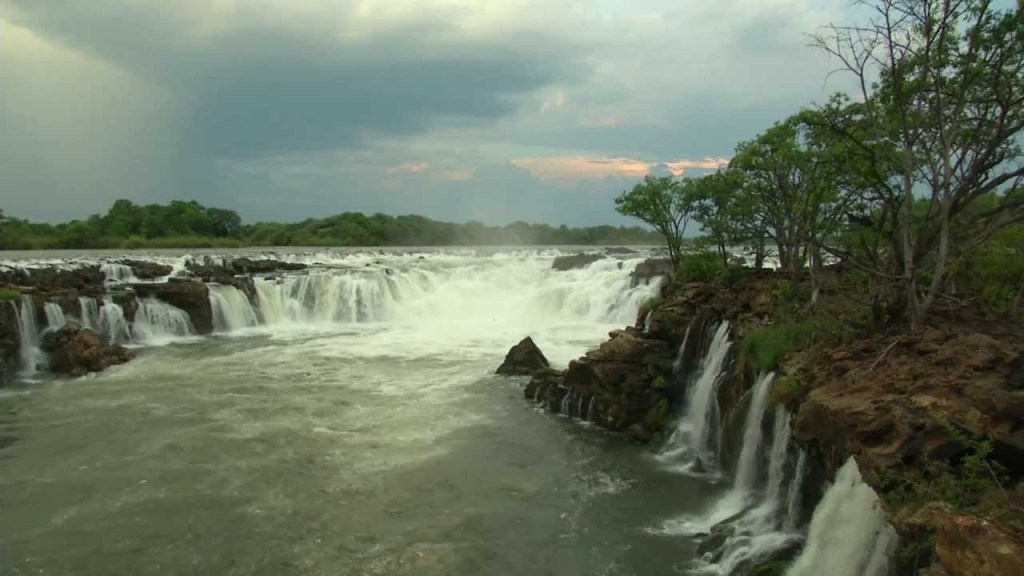
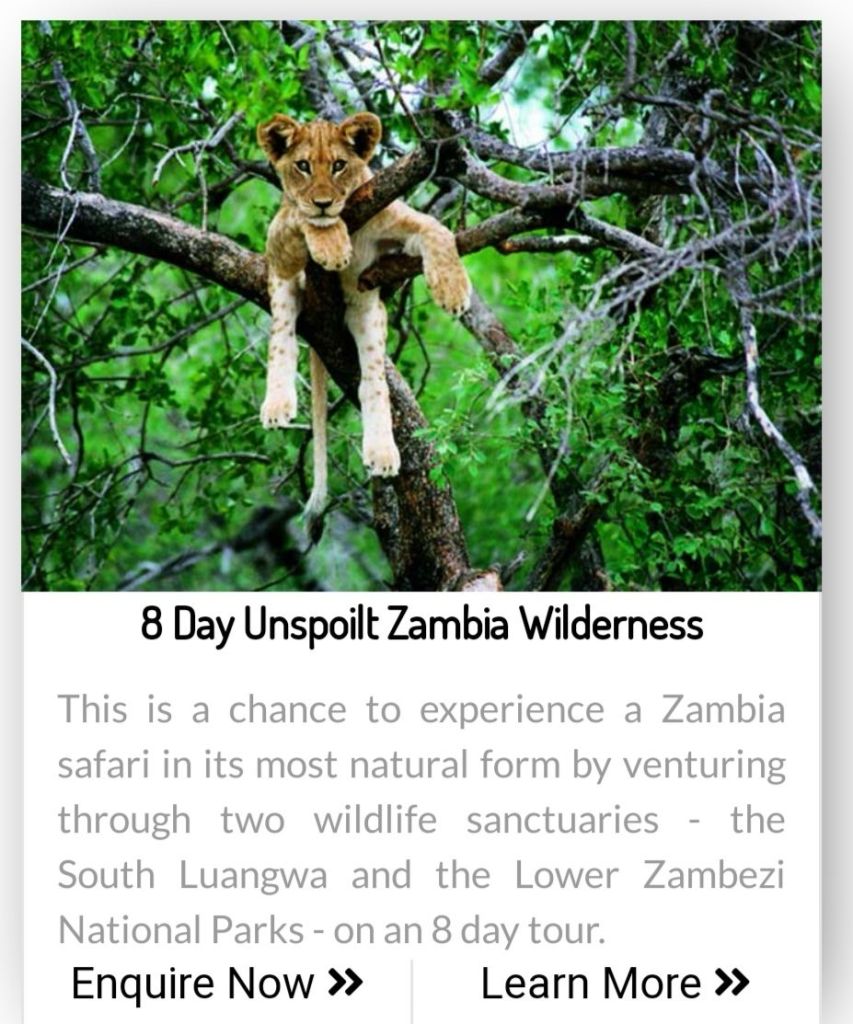
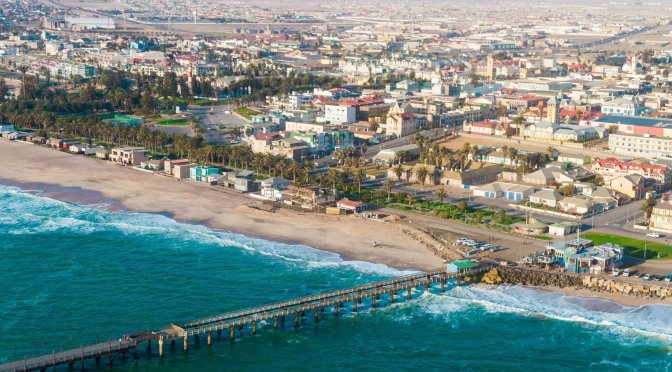
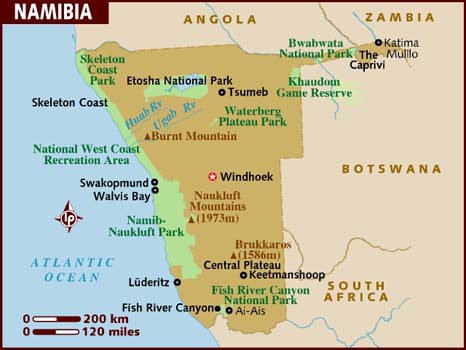
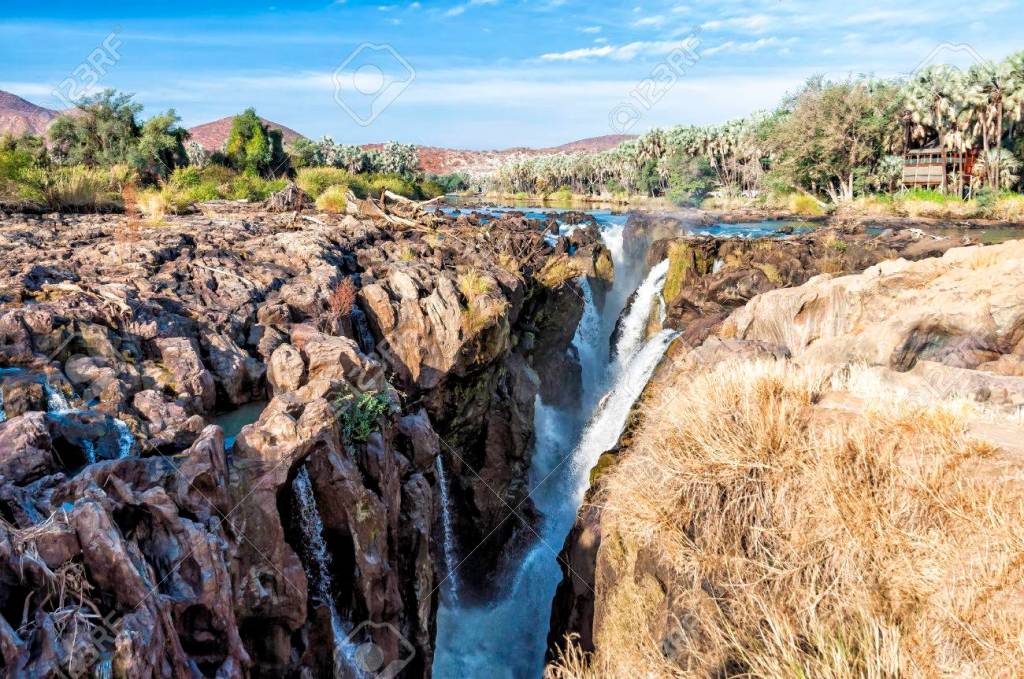
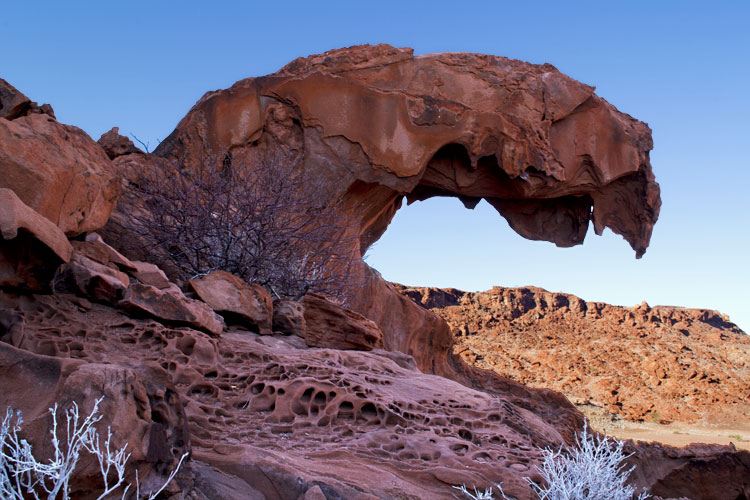
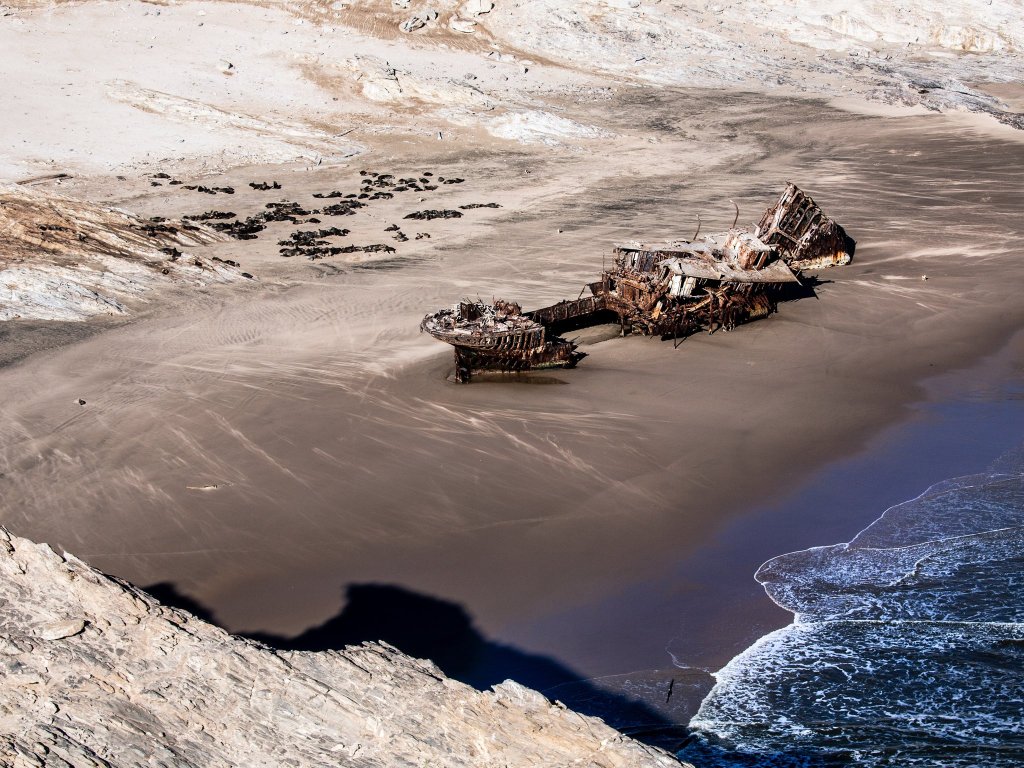
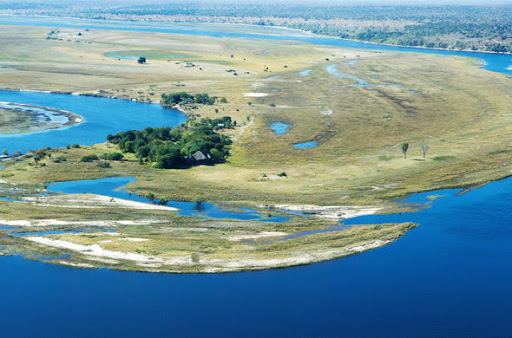
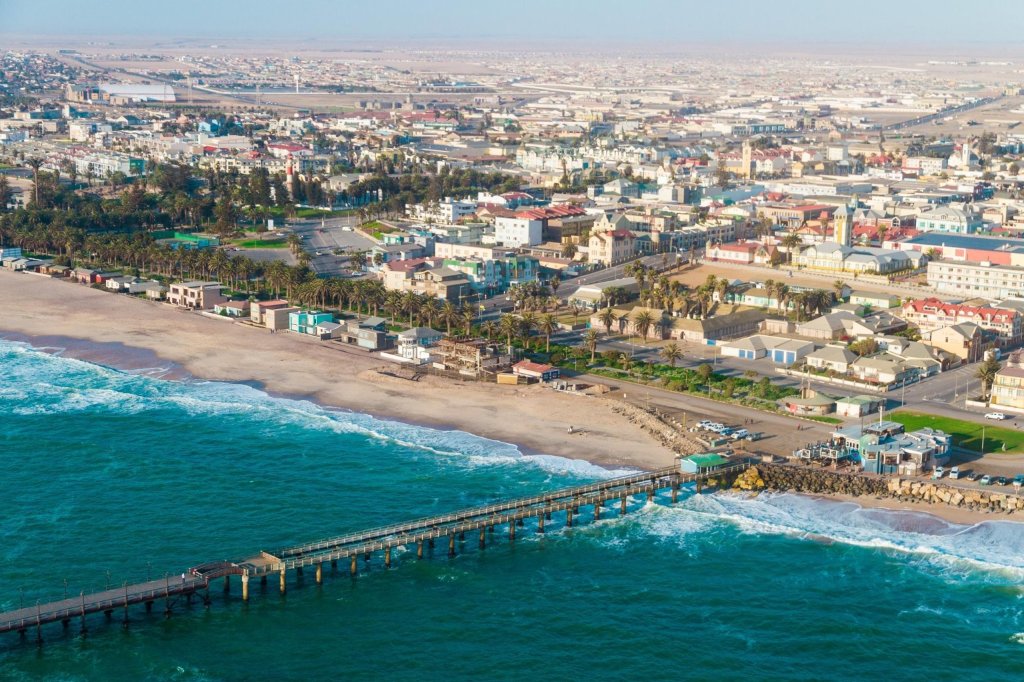
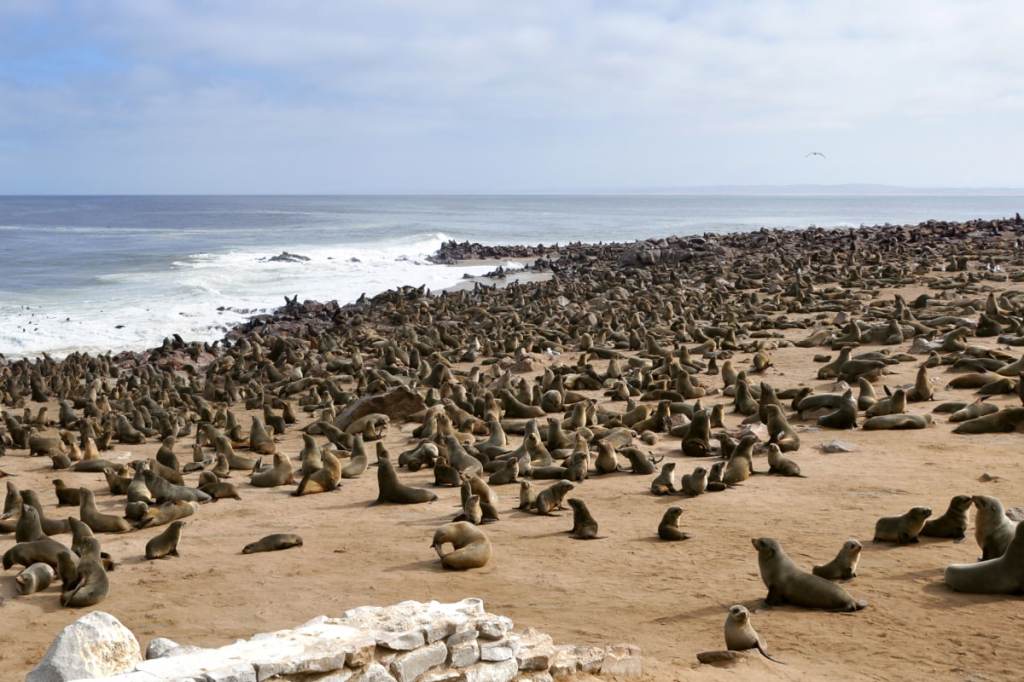
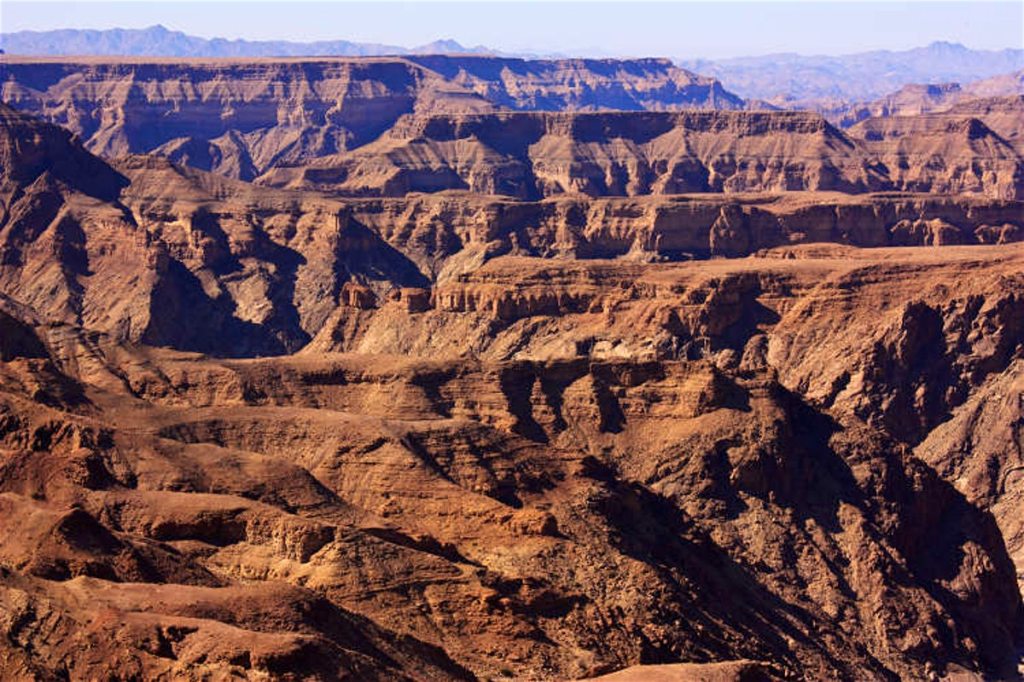
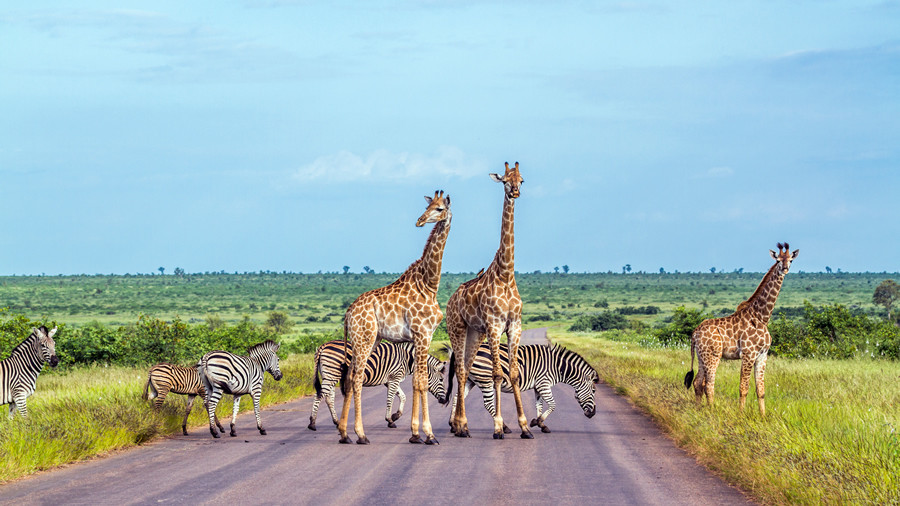
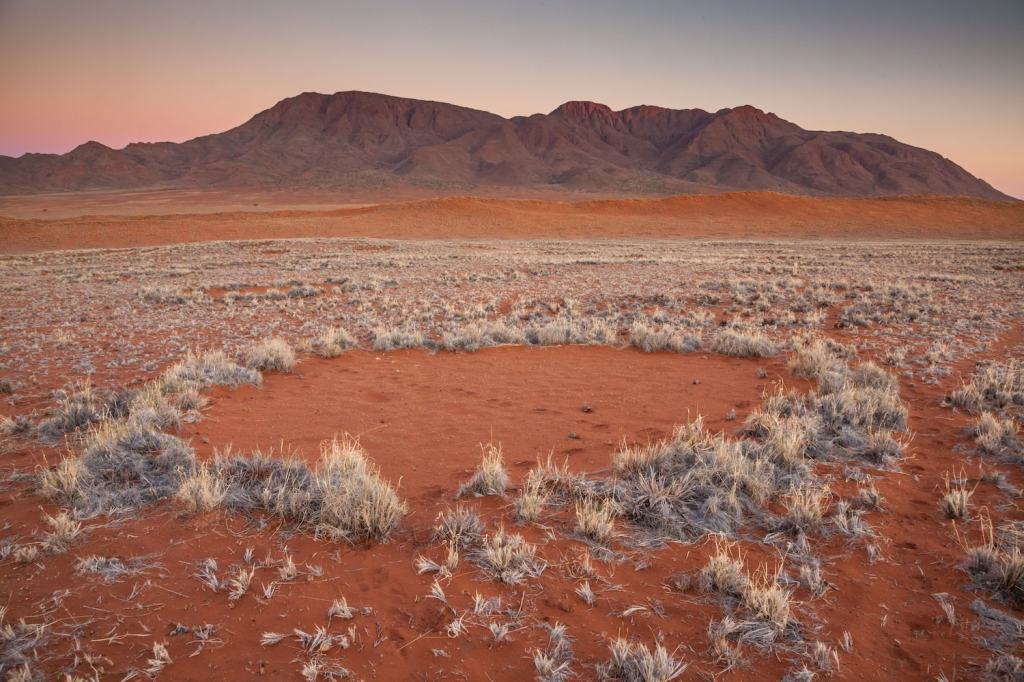
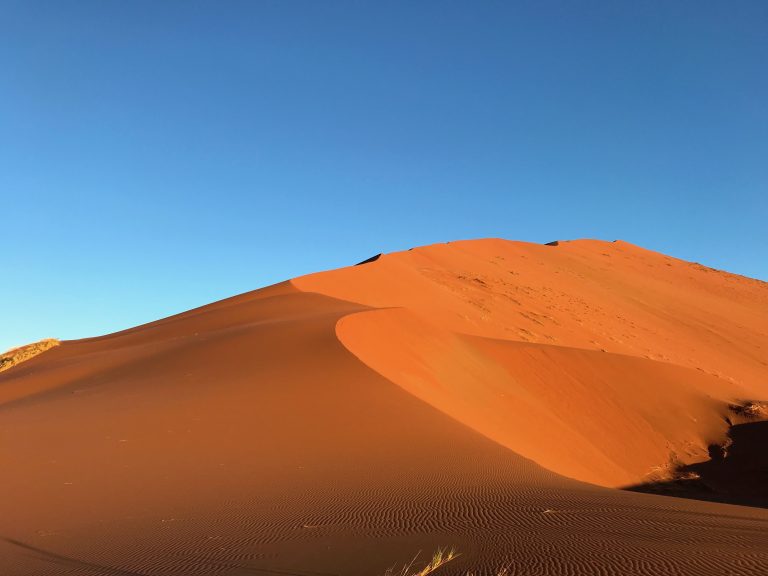
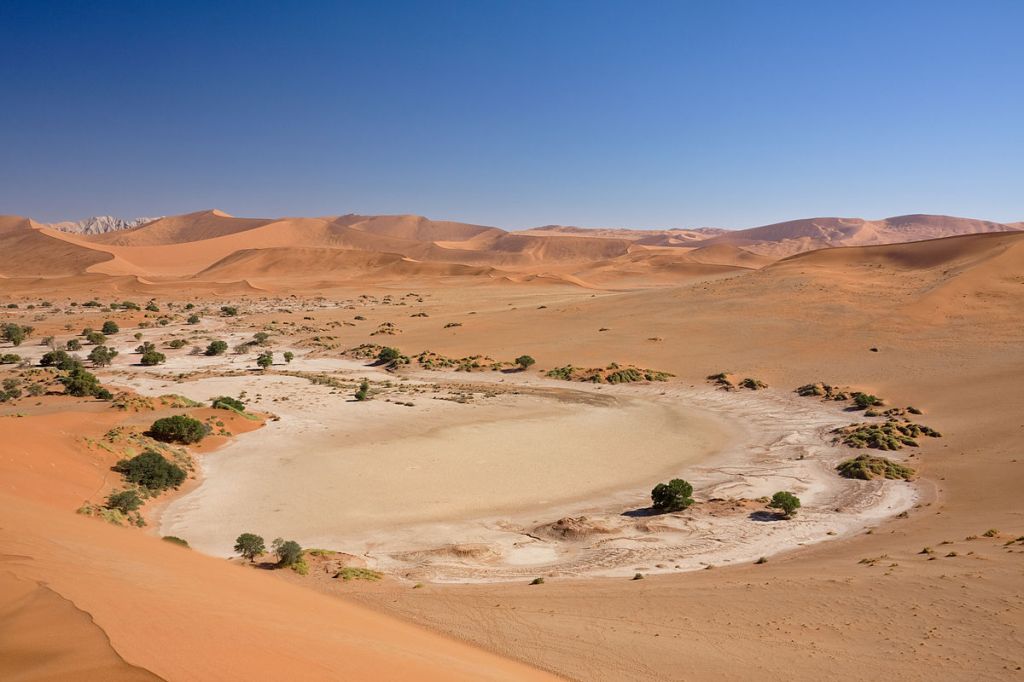
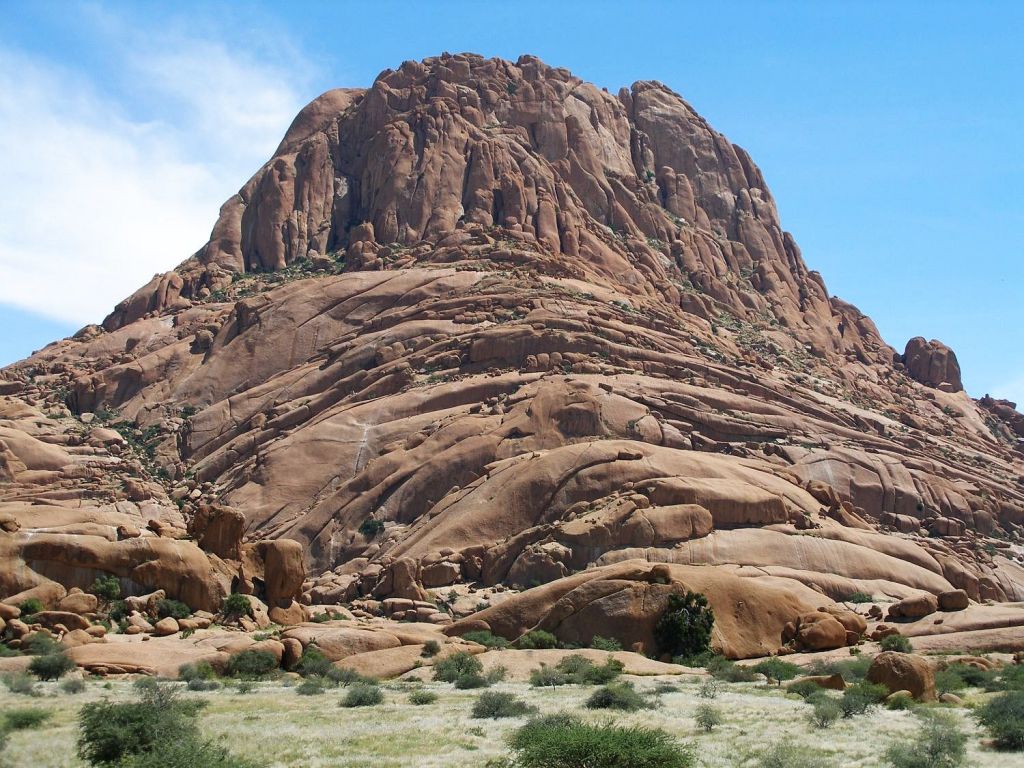
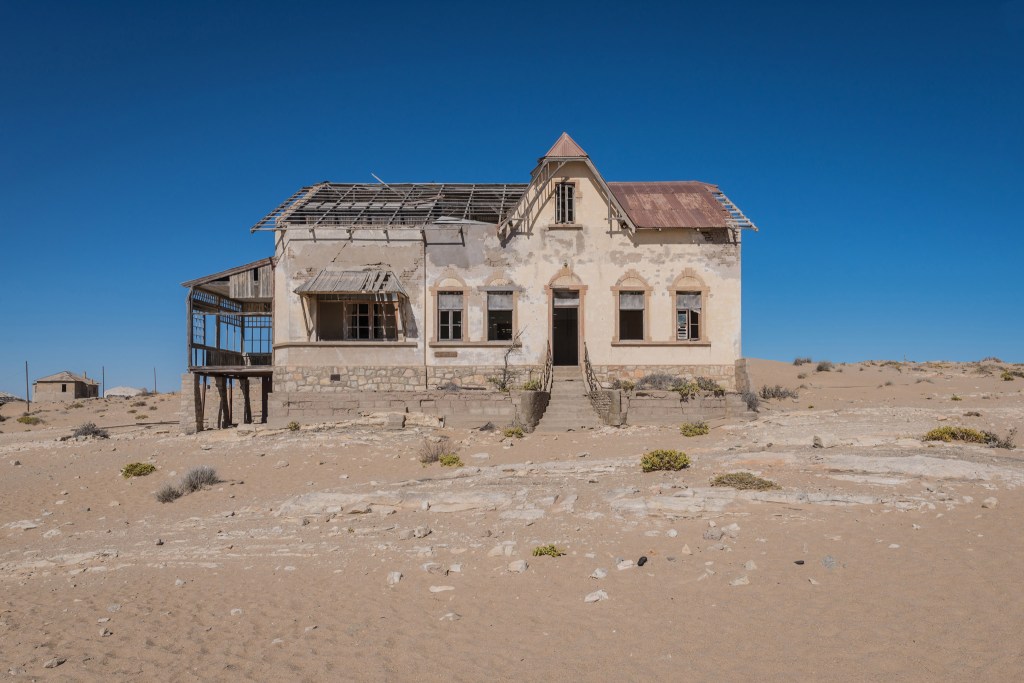
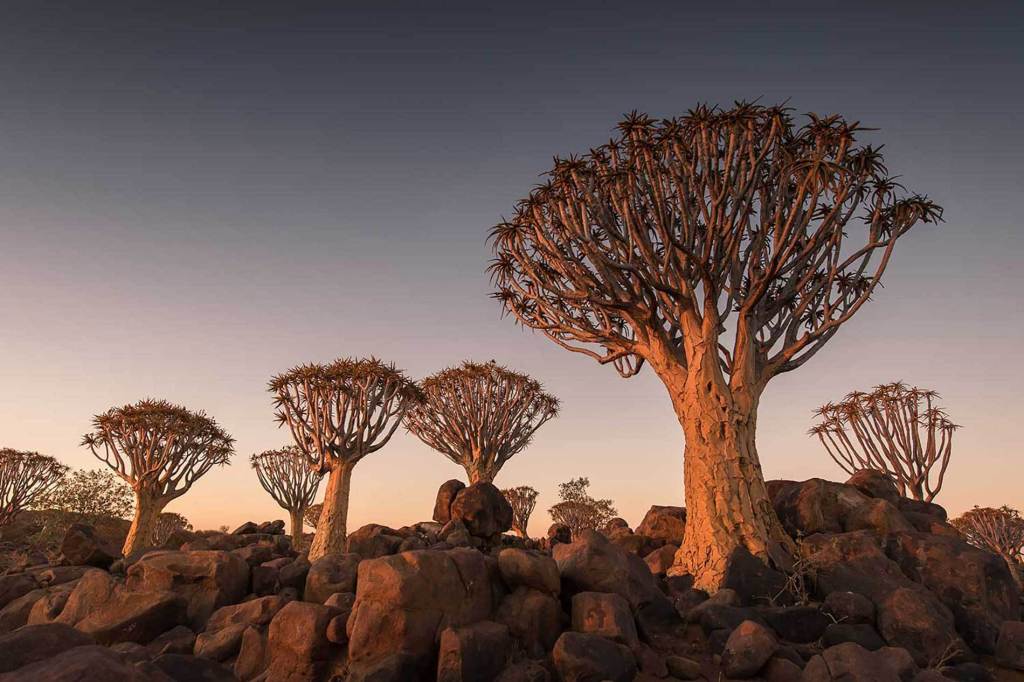
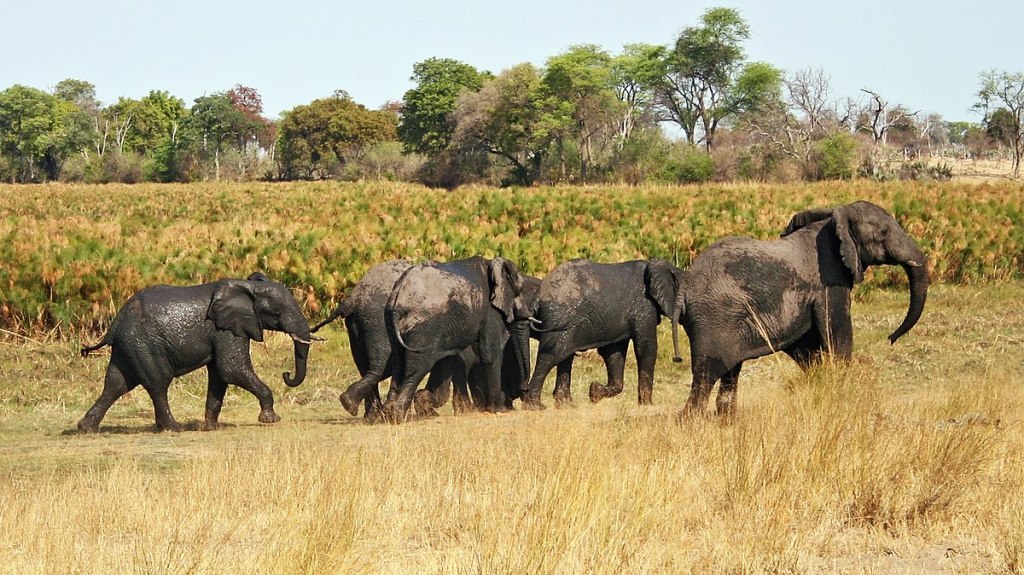
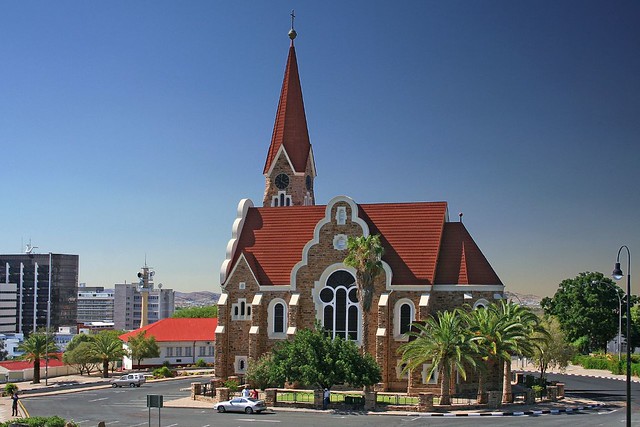
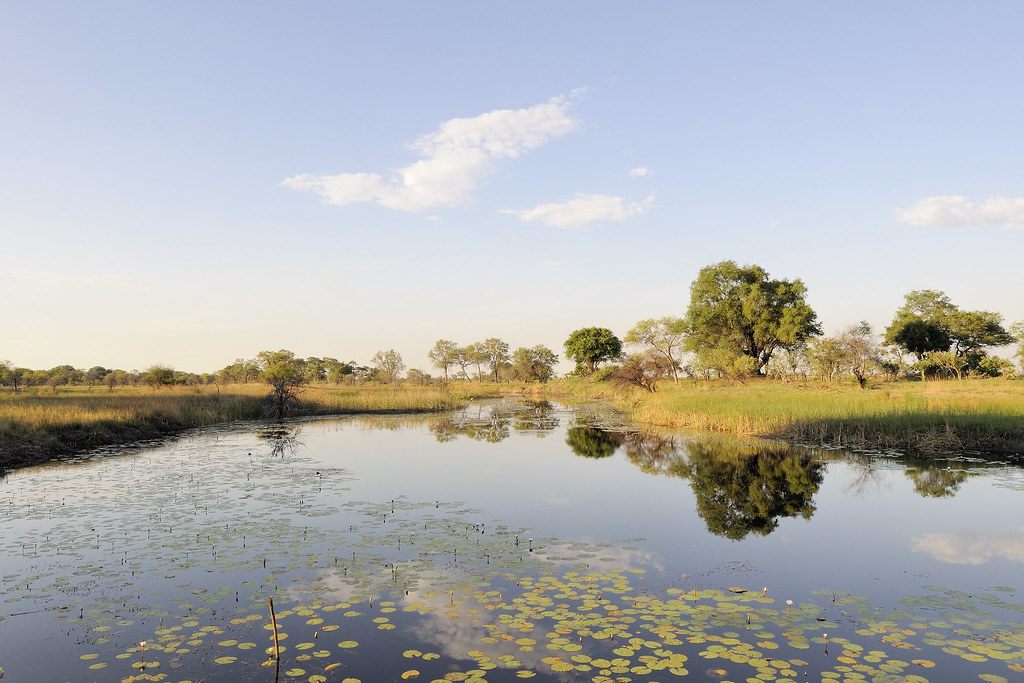
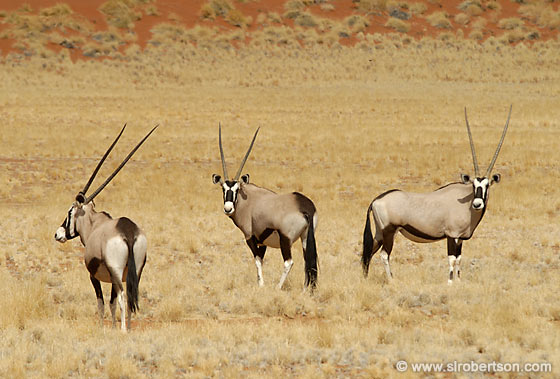
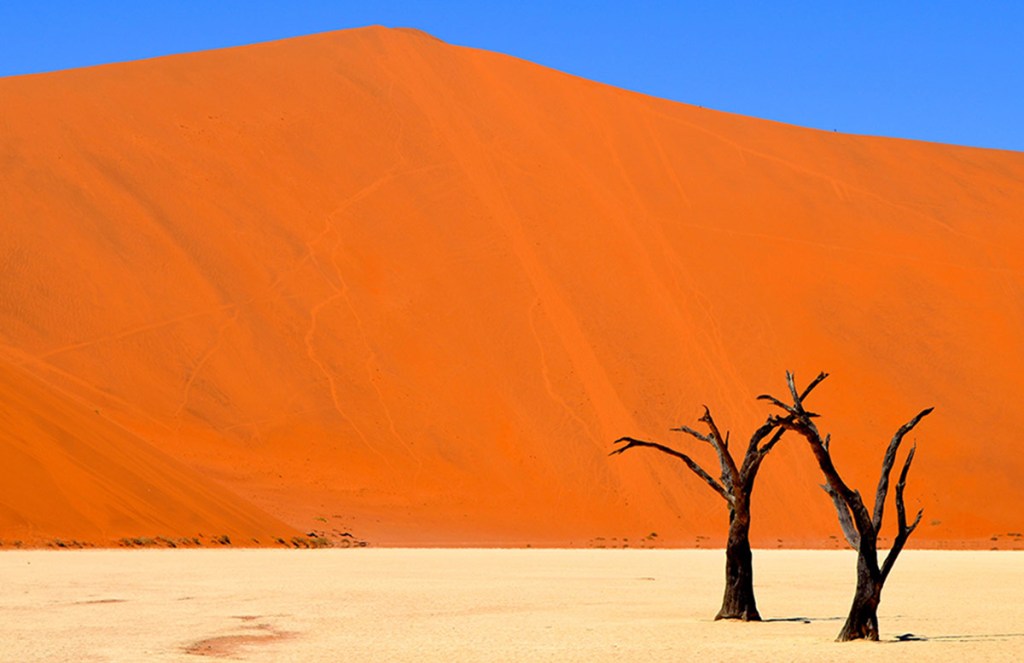
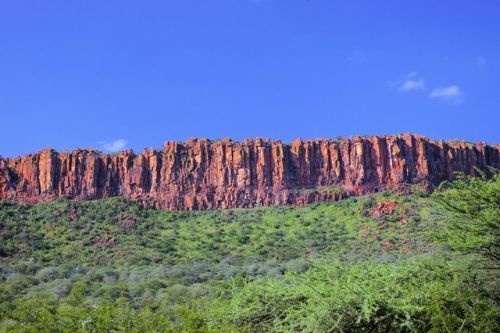
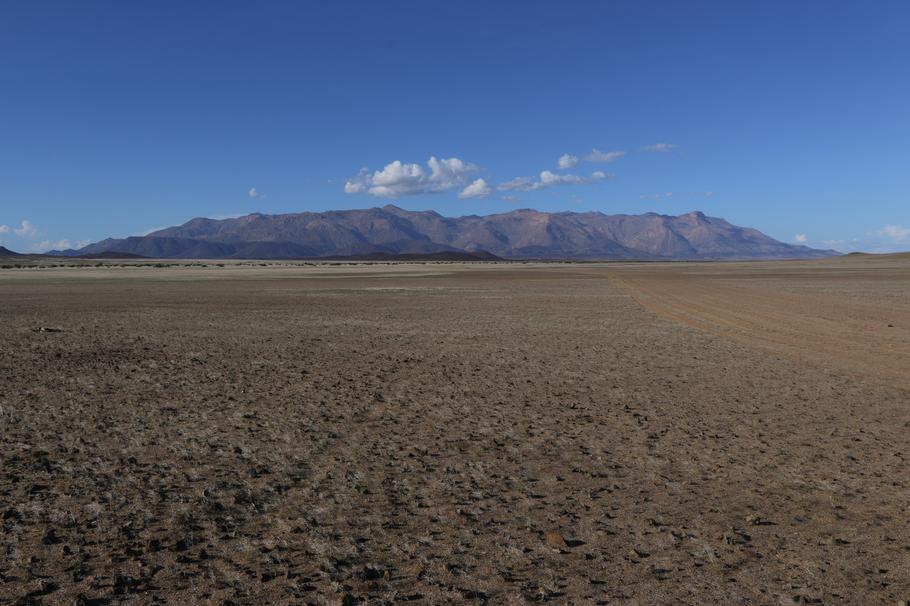
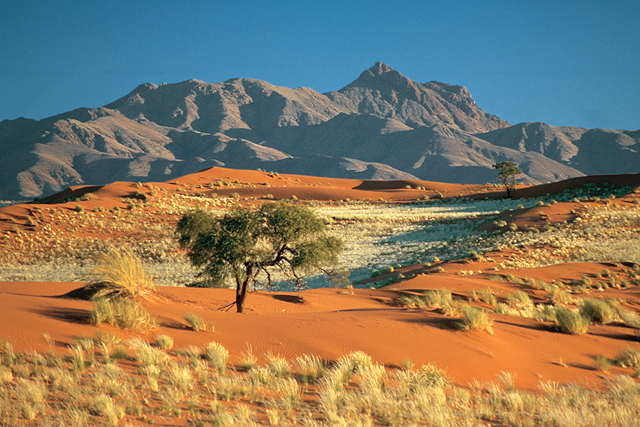
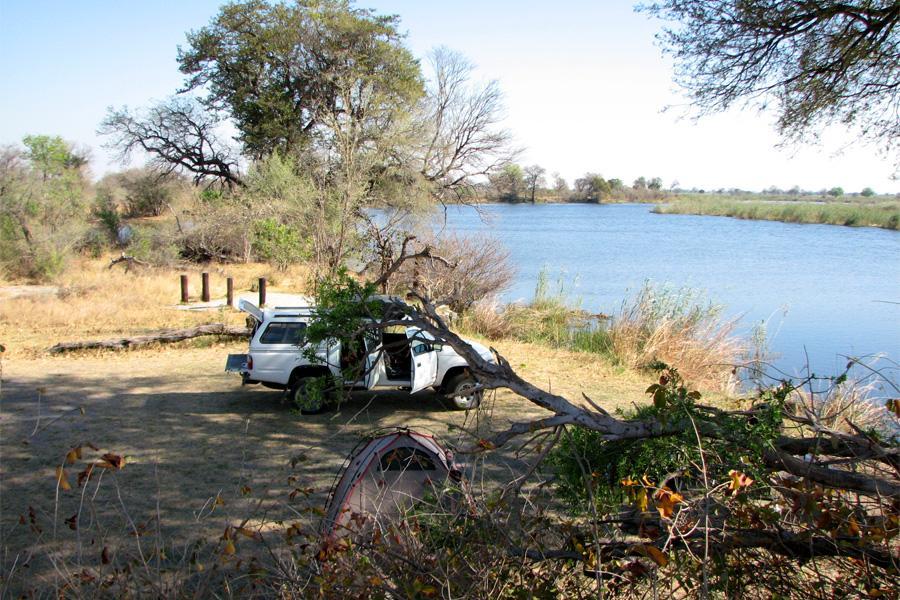
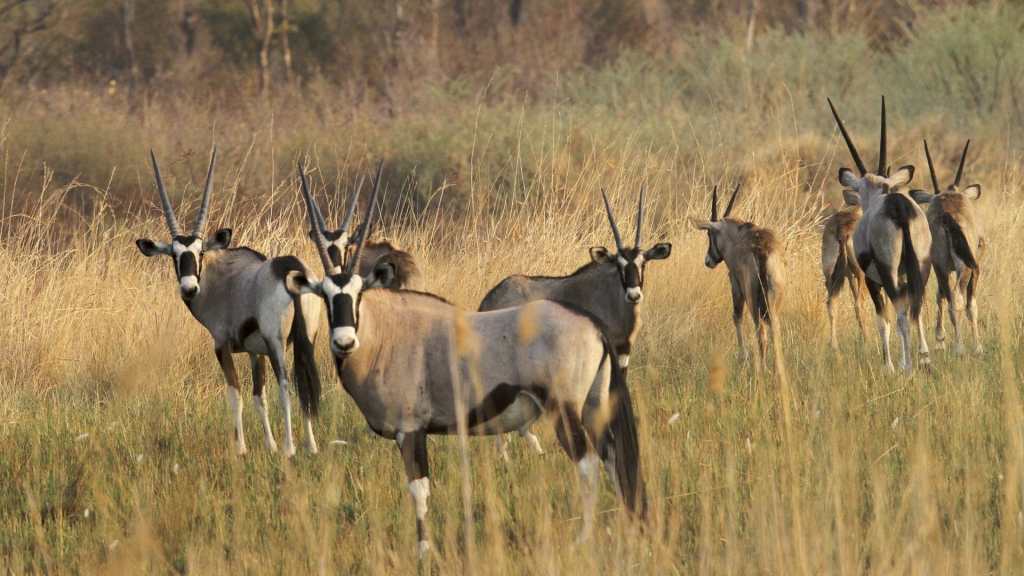
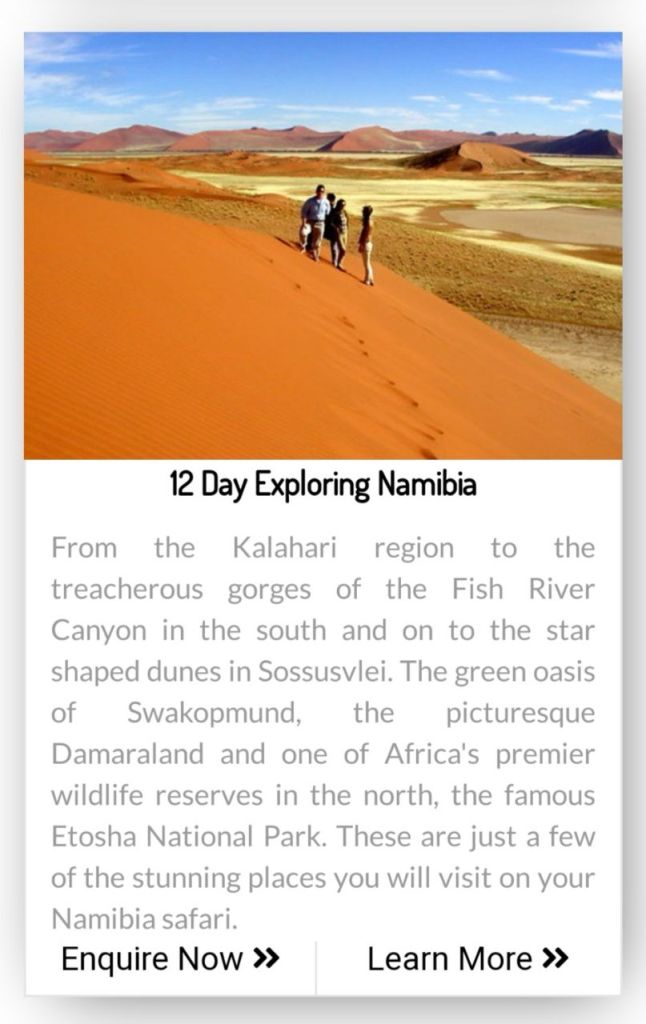
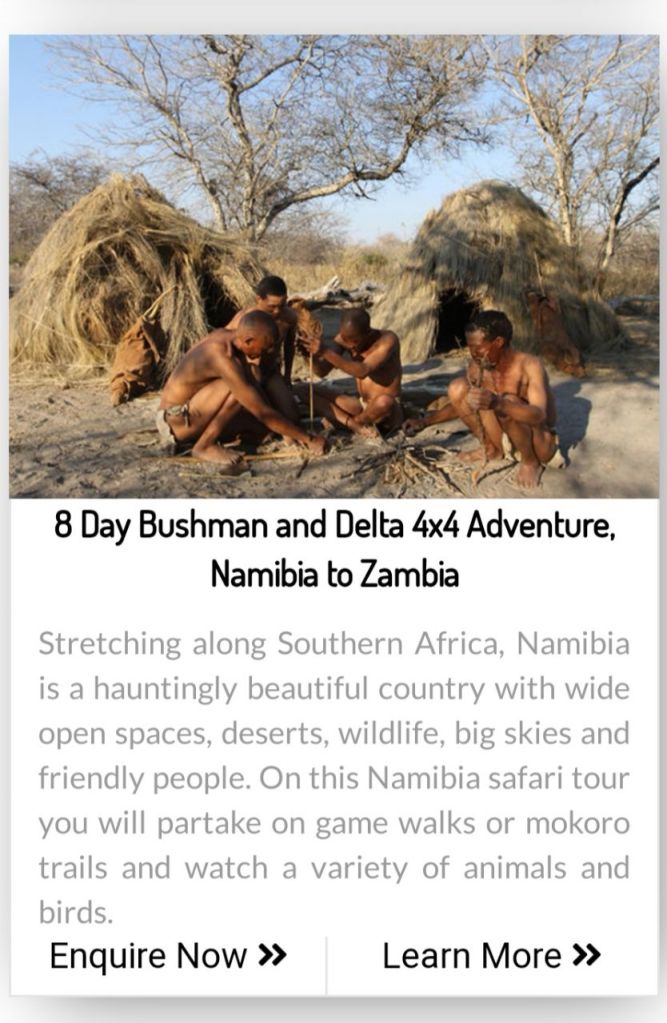
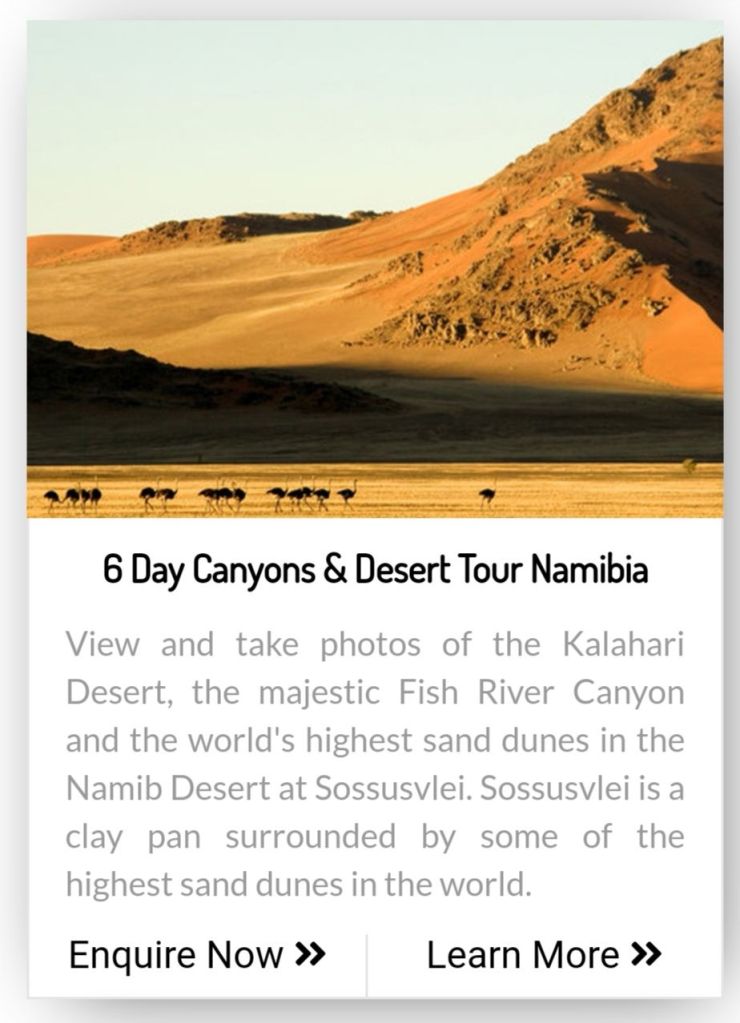
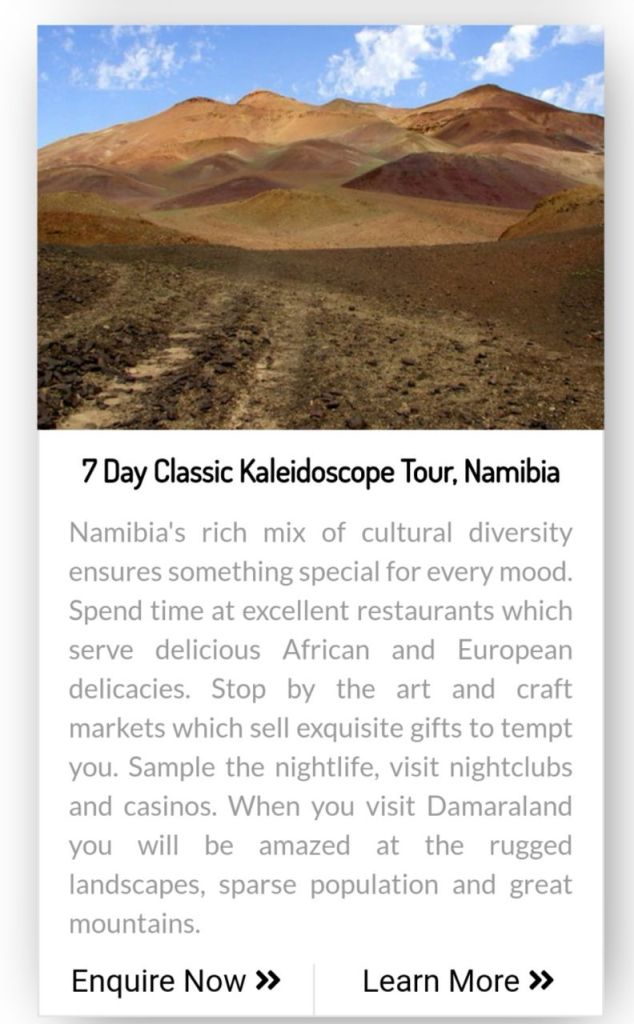
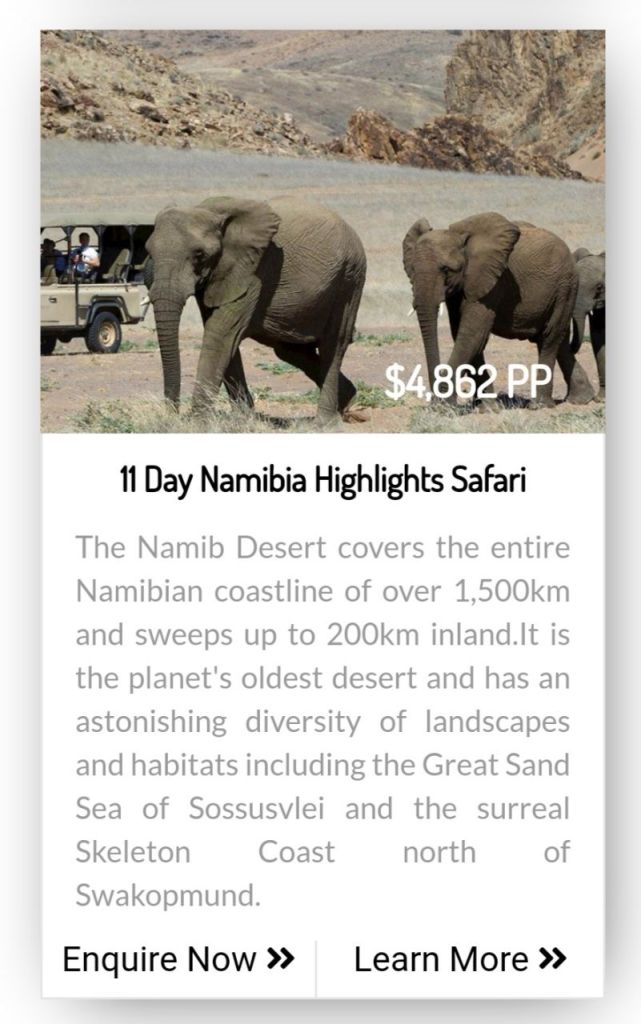
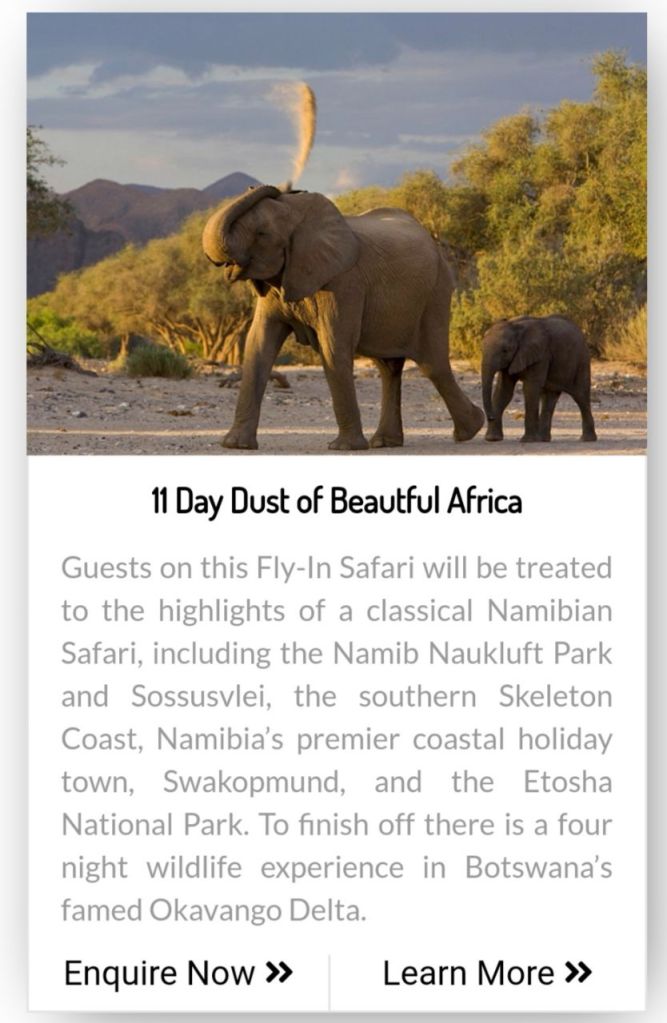
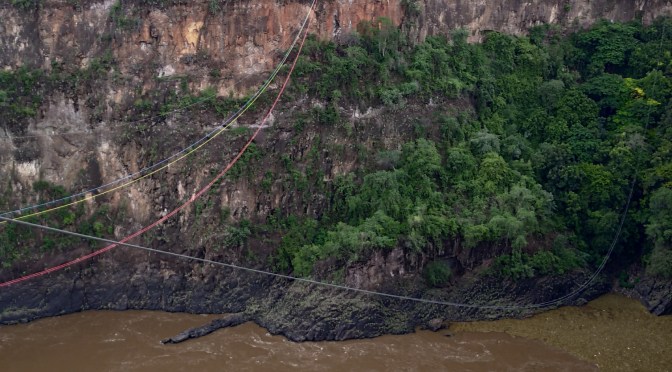
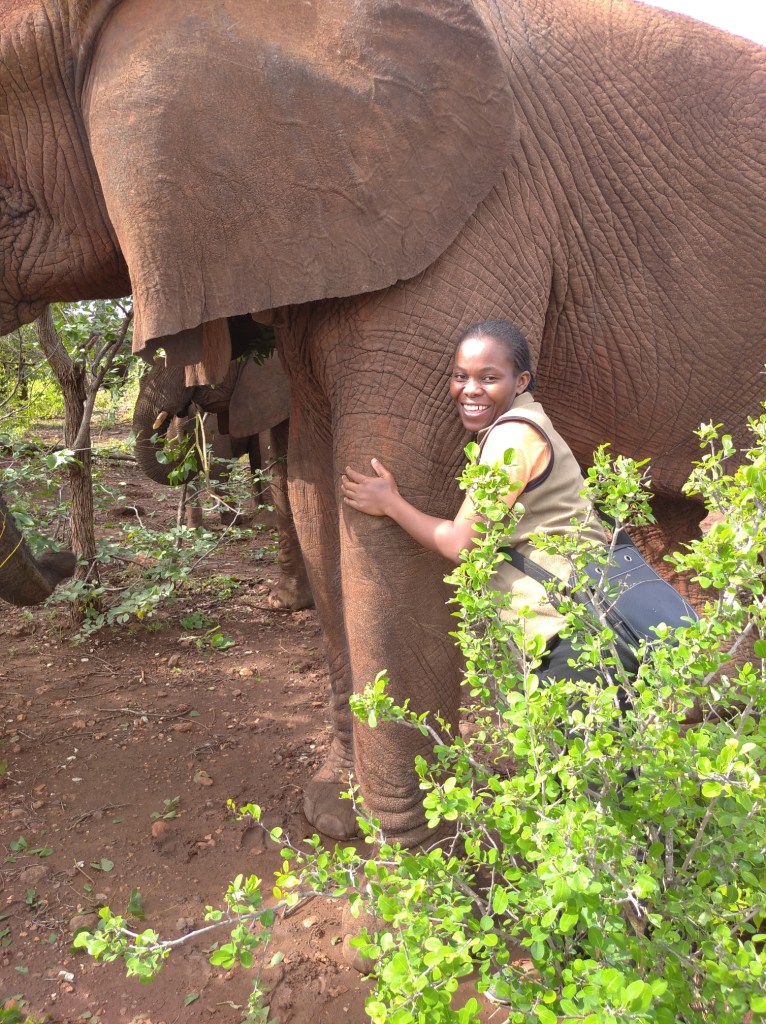
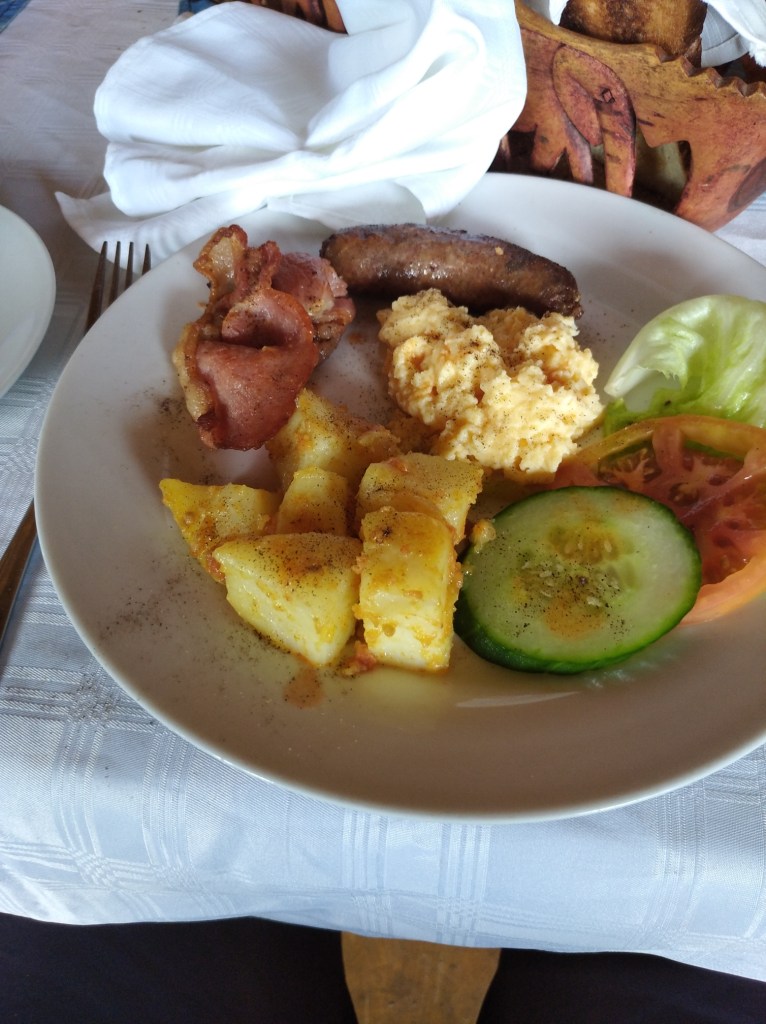
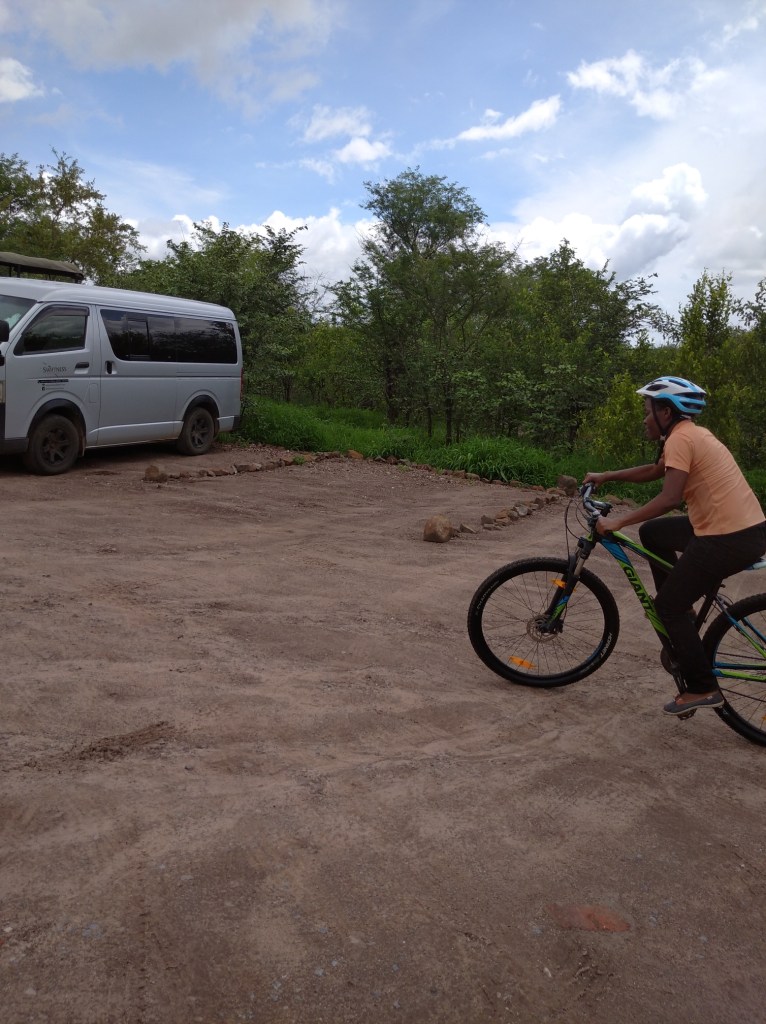
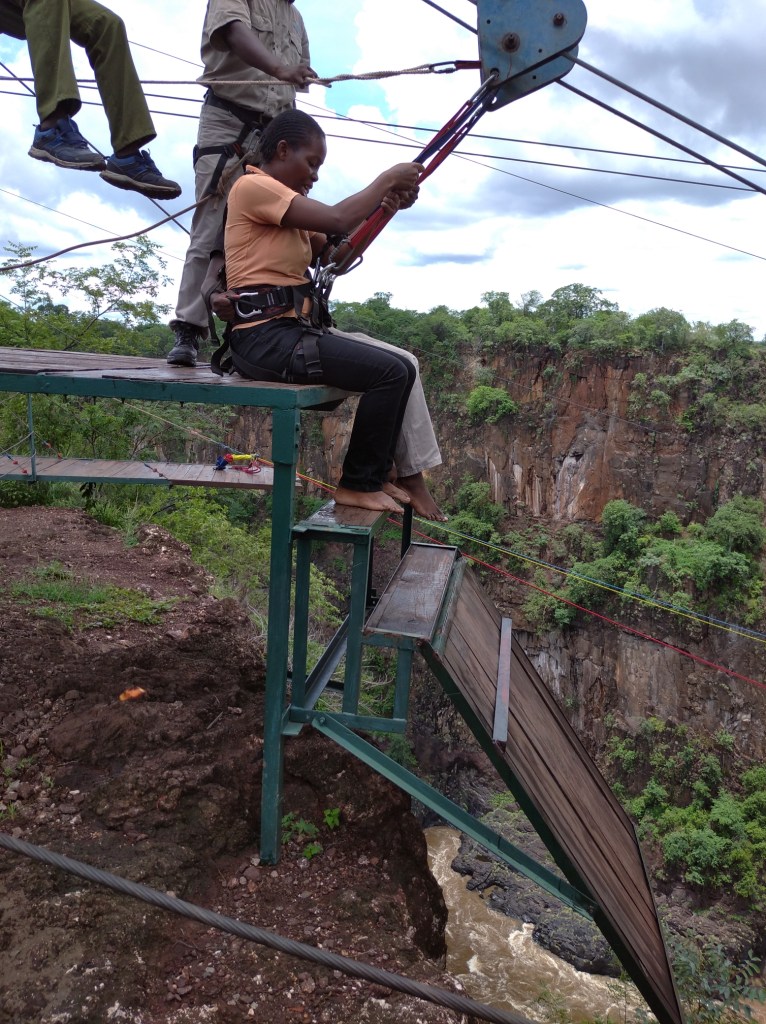
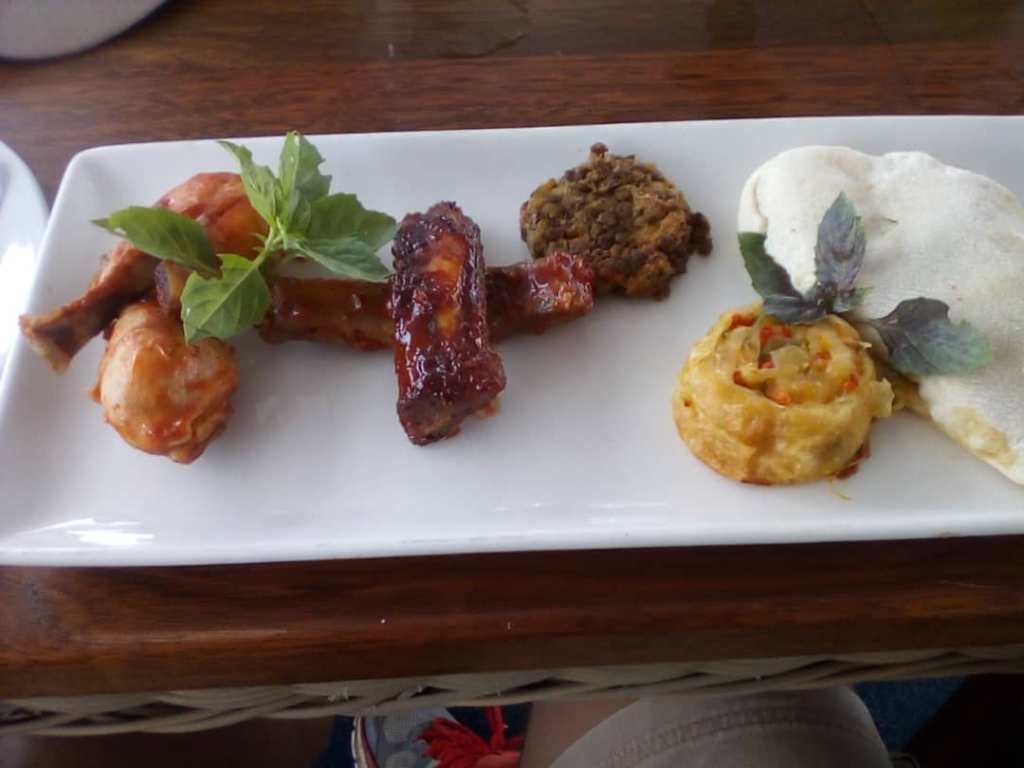
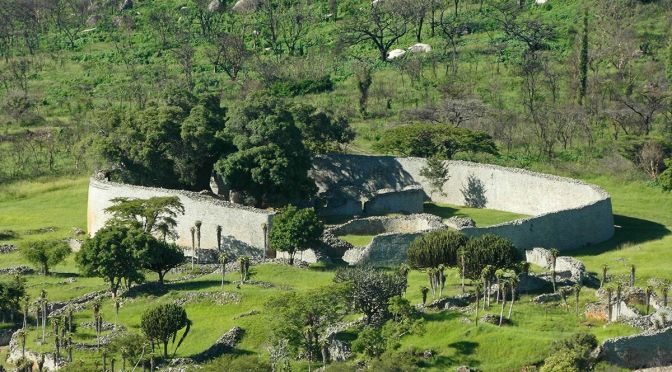
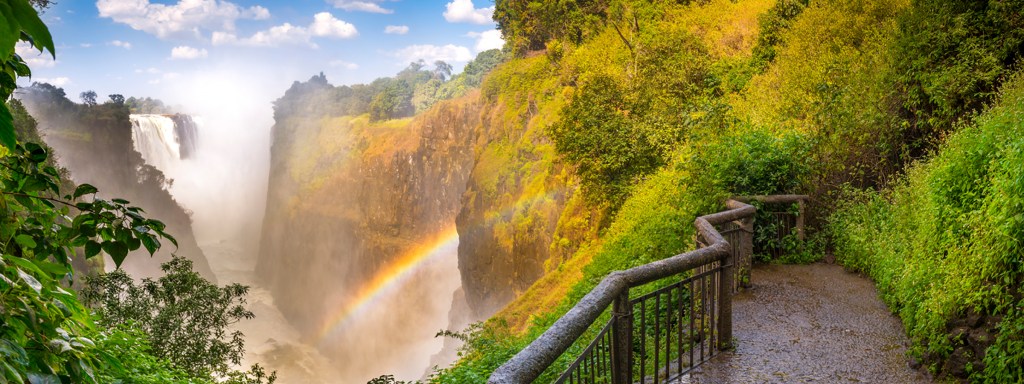
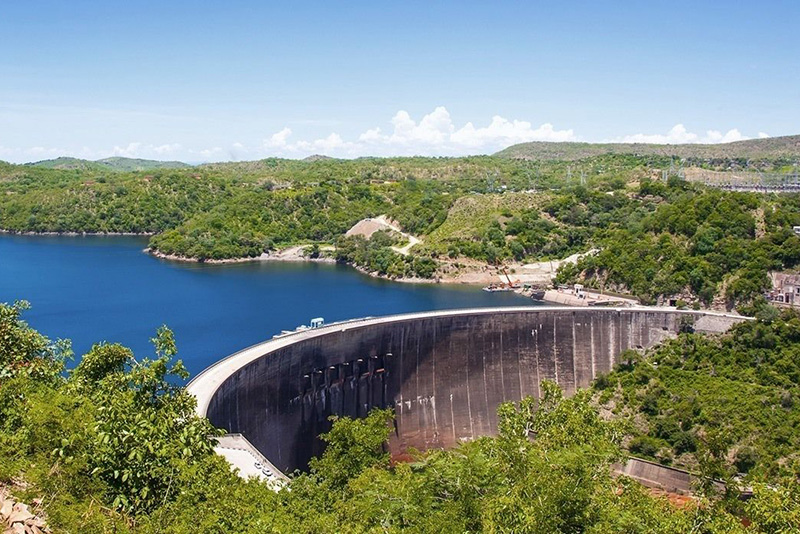
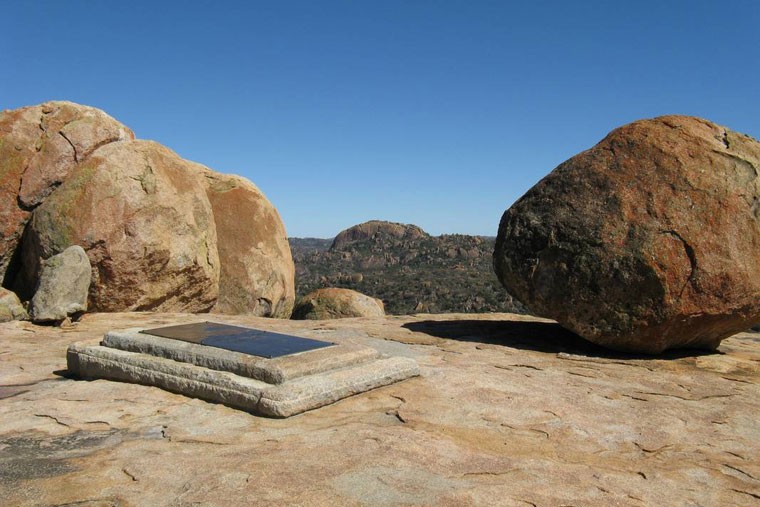
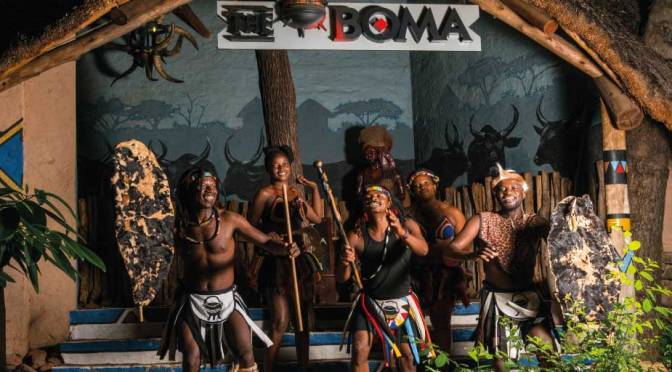
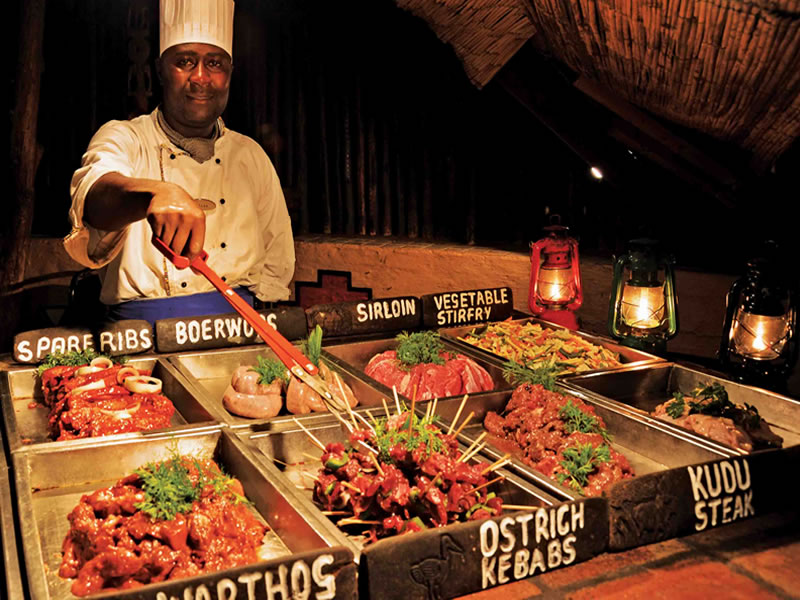
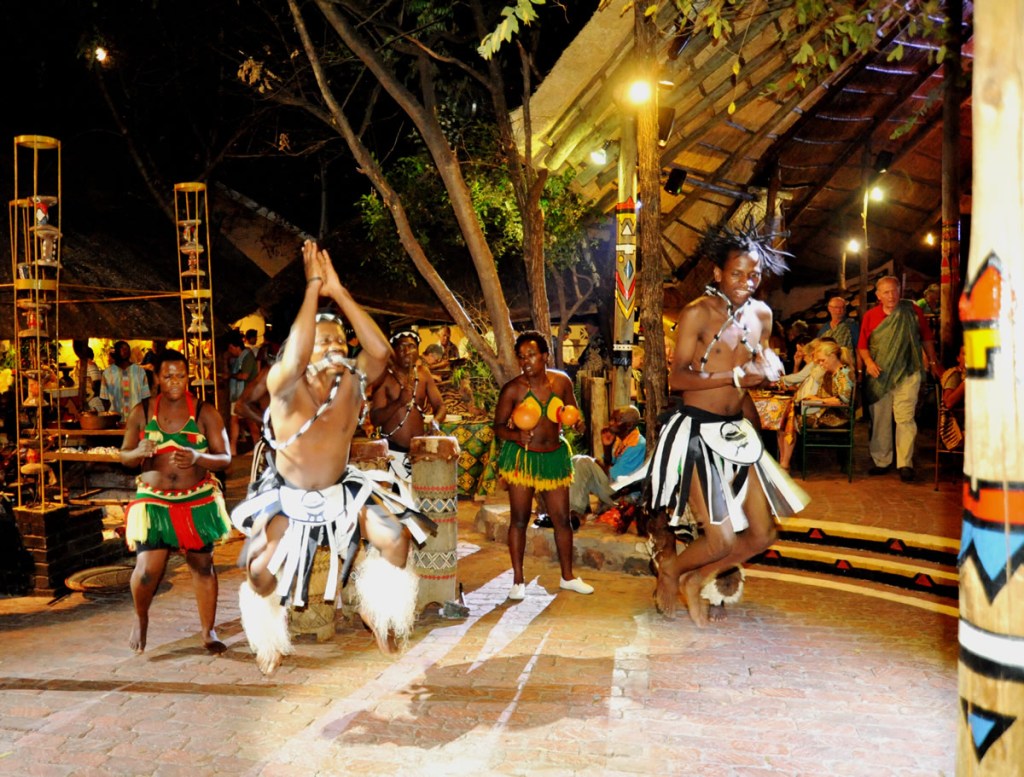
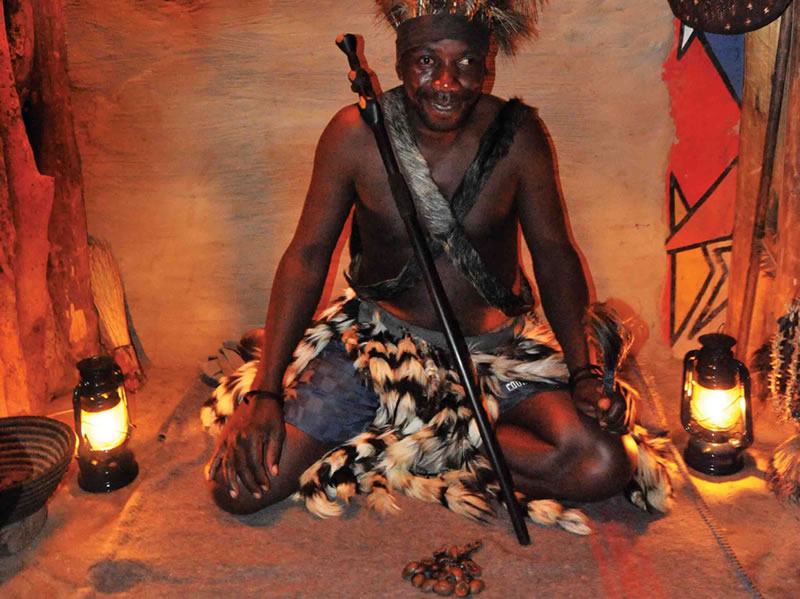
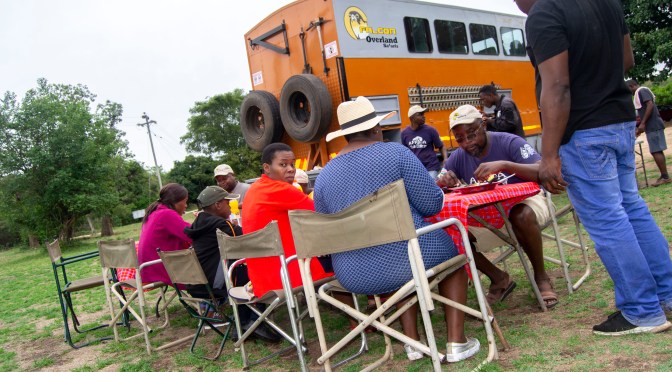
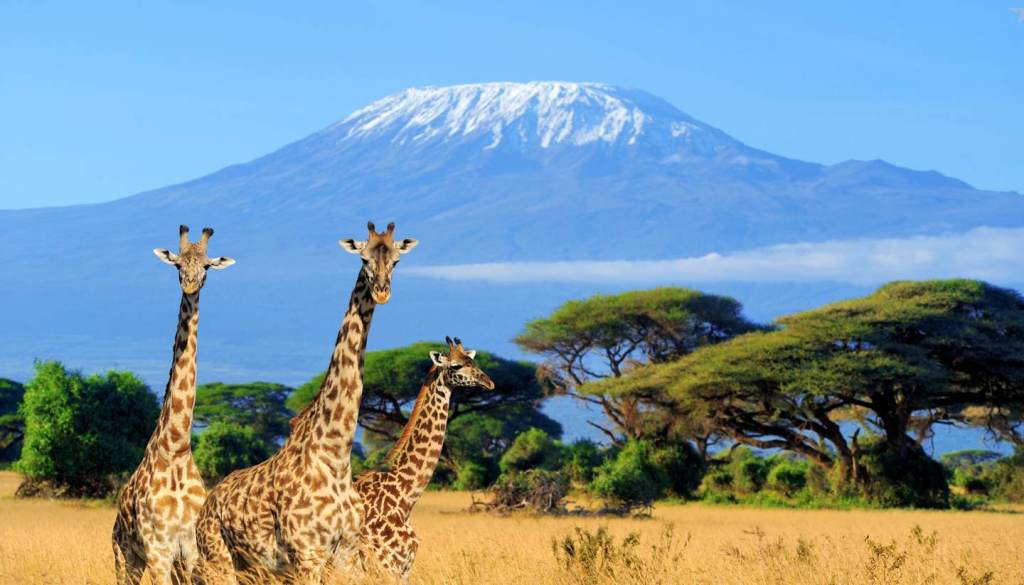
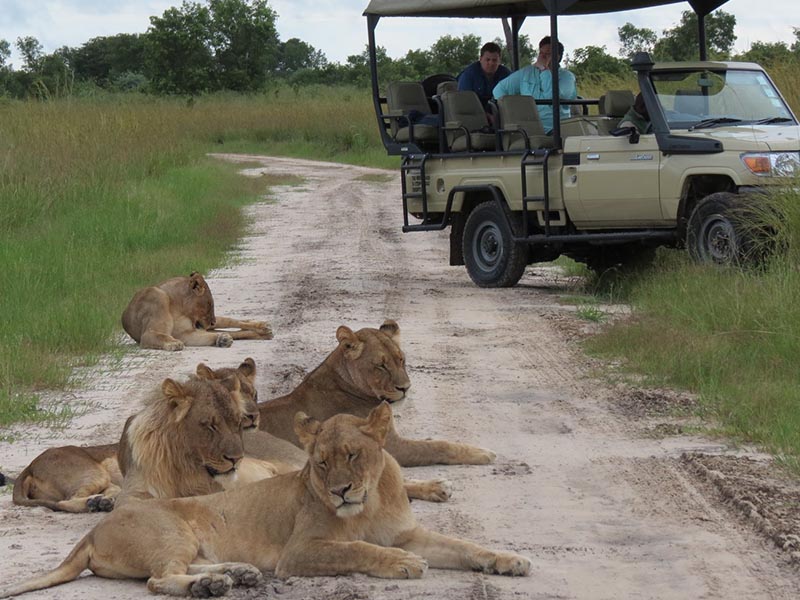
 Falcon Safaris Blog