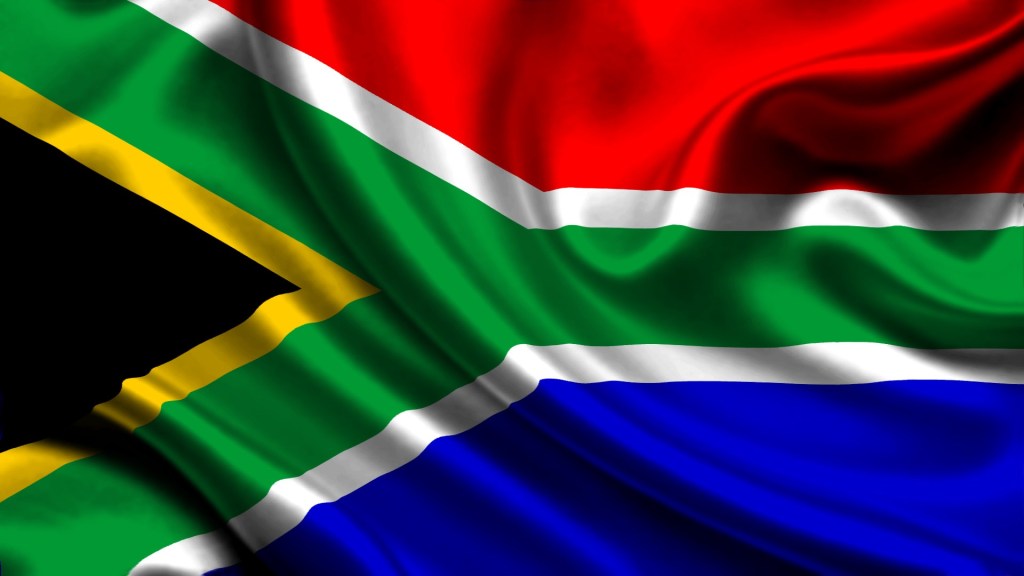
South Africa Population: 58,775,022 (2019 estimate)
South Africa Capital City: Pretoria (executive), Bloemfontein (judicial), Cape Town (legislative)
South Africa GDP: $368.3 billion
South Africa Currency: South African Rand (ZAR)
South Africa Time Zone: UTC +2 (SAST)
South Africa Driving Side: Left
South Africa Calling Code: +27
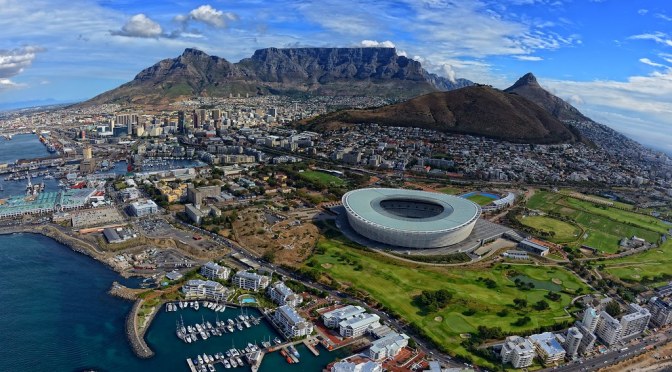
If you are in need of a trip to a place filled with beautiful sceneries, lots of activities, really good food and a lot of great wine, then Cape Town is just the destination for you.
Cape Town is home to many attractions, some for the more adventurous but also for the more romantic at heart. This city filled with so many different cultures will leave you with amazing memories, but be warned it might steal your heart as well…
This short-comprehensive guide will give you some need-to-know info on the city and how to best enjoy the tourist attractions, as well as a short history of Cape Town, the best Wine Routes, safe travel tips, and when the best time to travel to Cape Town is.
So set your taste buds up for a whirlwind, have your camera at hand and get ready to travel Cape Town!
A SHORT-COMPREHENSIVE GUIDE TO TRAVEL CAPE TOWN (SOUTH AFRICA)
Where is Cape Town?
Cape Town is situated in the Western Cape, a province of South Africa – the southernmost country on the African continent.
5 Interesting Facts of Cape Town
Table Mountain, the iconic backdrop of Cape Town, was under the sea until the continental split.
A canon signals midday from Signal Hill every day, one of the first customs in Cape Town which is still practiced today.
The first people to live in the region now known as Cape Town were the Khoisan but they knew it as //Hui!Gaeb.
The Castle of Hope, South Africa’s oldest building still standing, used to have an ocean view with waves almost breaking on the front door when it was first built, but now stands approximately 2 kilometers from the nearest waterfront.
Cape Town gained the title “Best place to visit” from the New York Times in 2014.
Visa for South Africa
Below is a list of requirements when applying for a Visa to enter South Africa:
You will need to complete an ‘Application for a Visa’ form (BI-84).
Passport or travel documentation should be valid for a minimum of 30 days and have at least two blank pages.
Two color passport type photographs.
Documentation (Bookings and Reservations) confirming the purpose of your visit.
Minors and or children should in addition to above have documentation proving custody and consent.
A return or onward ticket.
Financial proof that you can support yourself with living expenses while staying in South Africa.
http://www.dha.gov.za/index.php/applying-for-sa-visa
http://www.dha.gov.za/index.php/immigration-services/exempt-countries
Visa for South Africa – Visa on Arrival
Validity: 30 Days
Cost: ZAR1,350.00
https://www.vfsglobal.com/dha/southafrica/visa-fees-at-glance.html
http://www.dha.gov.za/index.php/applying-for-sa-visa
PORTS OF ENTRY
The main entry points into South Africa are:
SOUTH AFRICAN AIRPORTS
| Airport |
| Bloemfontein International |
| Cape Town International |
| Durban International |
| Gateway International |
| OR Tambo International Airport |
| Lanseria International |
| Kruger Mpumalanga International Airport |
| Pilanesberg |
| Port Elizabeth |
| Upington |
List – Courtesy South African Department of Home Affairs
http://www.dha.gov.za/index.php/immigration-services/south-african-ports-of-entry
Visa for South Africa – African Passport Holders
Most African countries, including the government of South Africa is said to soon introduce Visa on Arrival for all African passport holders. African passports will be issued to citizens of most of the African countries on the African continent to out phase the need for Africans to obtain a visa for the 55-states in Africa. This initiative is similar to that of the European Union and was first launched on 17 July 2016 in Kigali, Rwanda.
Exploring Cape Town & The Wine Route
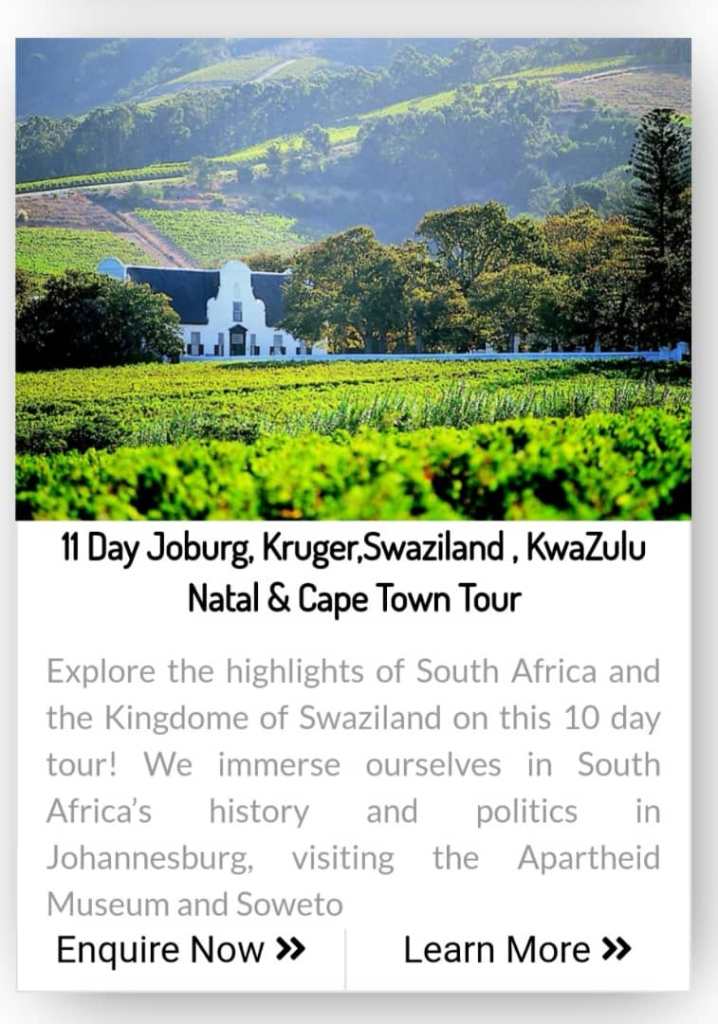
Cape Town is a city of beauty that cannot be compared, with the stunning beaches, world-renown botanical garden, the famous Table Mountain, and more culture in one place than you can think of. This historic, yet modern city, is also located in the heart of the South African Winelands, making this city a true gem for you to enjoy.
The most significant Vineyards in the Winelands include Beau Constantia, Klein Constantia, Vergelegen, Waterkloof, Uva Mira, Hidden Valley Wines, Jordan, Tokara, Delaire-Graaf, Warwick and La Petite Ferme – all of which have their own set of tasting experiences for the wine connoisseurs amongst you travelers. Driving through the valleys is a treat for your eyes as the lush nature surrounds you on all sides, then the foods and wines at your chosen Vineyard treats your tongue as you relax amongst even more beautiful nature that South Africa offers you.
Cape Town has so much to offer, from wine and food to horseback riding and romantic sunsets on either the beach or the mountain tops. So much can be done in this wonderful city, and the locals are always happy to see you enjoy what they have to offer.
A Short History of Cape Town
The Cape of Storms, as it was originally known by travelers, was first rounded by Bartholomeus Dias in 1487-1488 though they did not know it at the time, as they had lost directions during the storms. The Cape became a mark for trade ships, carrying goods from Europe to the East. Through the years 1666 to 1679 the Castle of Good Hope was built as a sea fortress for the Dutch Prime minister of the time, and the building is now the oldest surviving building in Cape Town and South Africa.
The Cape region has been home to many cultures, from the Bushmen, the Bantu, the Xhosa tribes, the Dutch settlers and Portuguese traders to the more vast South African population that now inhabits the Mother City. Six hundred years of rich and growing culture has led to a vast and creative cuisine scene, that is consistently nominated, and voted as, the top food destination worldwide.
The Best Time to Travel Cape Town
The best time to travel Cape Town is during Autumn, from March to May, and then again in Spring, from September to November. This is when the temperatures of the beautiful city are most favorable, going from lowest 8˚C to highs of 25˚ during these months. And while the Summer months, December to February are the most popular time to visit, it is also the most expensive time, so it is not favorable for everyone. Overall, the Winter months, June to August, empty out the city as the weather is quite cold and wet, seeing as this is the time Cape Town receives most, if not all, of its rainfall.
How to Travel to Cape Town
Once your visa and travel documents are set according to the terms of your country, which you can check again above, there are some last-minute things to get ready. Your lodgings are of course a necessary check and in Cape Town, you have a wide variety to choose from, ranging from backpacker accommodation, which can even have you sleeping on the beach, to five-star hotels, grand villas, and themed accommodations.
Check Falcon Safari at BOOK HERE to ease the booking process for you. If you are thinking of health care, Cape Town only requires a yellow fever vaccination, as the city is not a malaria area and has brilliant health care.
If you are not traveling with a group, getting around Cape Town might scare you, but no need. There are several ways to navigate the city, from the bus system to even renting a car, all you need is an English driver’s license with a photo of you on it. When packing, even when visiting during the Summer months, it is advisable to bring short sleeve clothing, as well as warmer clothes as the wind over the Atlantic usually makes the evenings, nights, and mornings rather chilly.
Is Cape Town Safe to Travel?
As with any new travel destination, tourists will be worried about the safety in the area, more so with a country or city, the has been shown as crime-ridden, however, Cape Town is much safer now than what the world is led to believe. Crime rates are consistently checked and bettered since the bad reviews before the 2010 soccer world cup, and in reality, most of the crime is centered in the Cape Flats, not Cape Town’s city center.
With this information in mind, it is very easy to stay safe while traveling in Cape Town, just as in any other country.
How To Stay Safe While You Travel In Cape Town:
Stay within the tourist areas, as these are more guarded and even safer. Whatever you do, do not go into the townships without some form of a guide, this is very dangerous.
When traveling, keep in mind of dangers such as muggings. If you are in a car, do not open your windows and keep your valuables hidden away. If you choose to travel by train, do it during the day as some muggings have occurred but only at night.
A general rule, for most countries across the globe, is to not flaunt your wealth, this will only draw unwanted attention to you.
Be aware of the wildlife – though there have not been lions in the streets for around two centuries, the city does boast some baboons. Though they might seem friendly and cute, do not feed them as they remain wild animals, and they can be dangerous.
Also, some wildlife to know, and be aware of, is sharks. Cape Town beached do not rely on nets but on Shark Spotters. So when swimming, keep close to the shore and keep your ears and eyes open for the Spotters.
Map of Cape Town
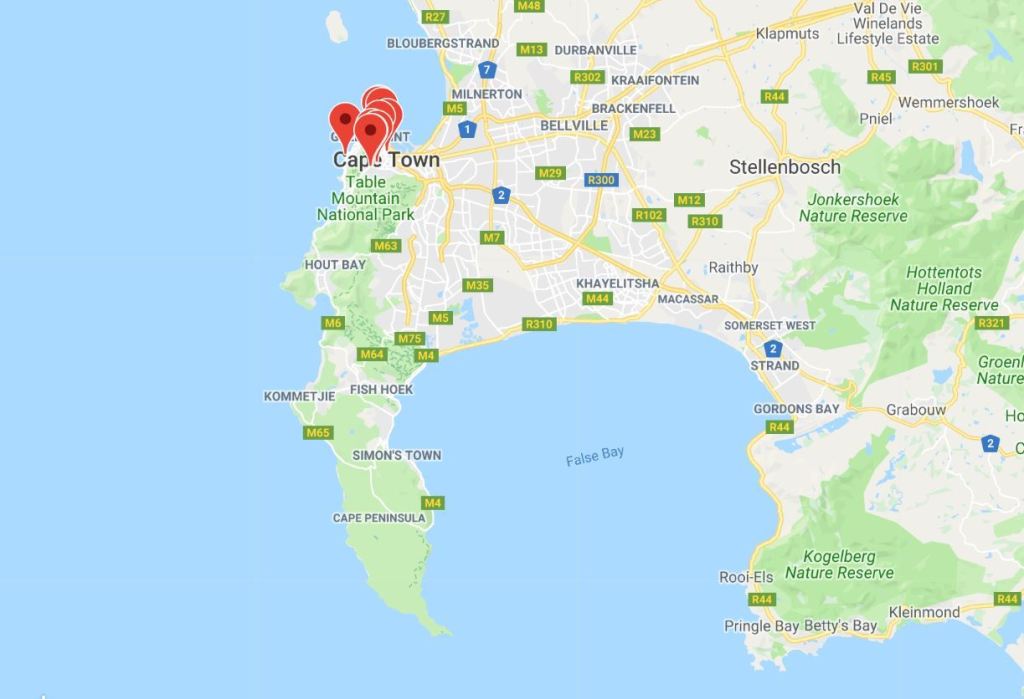
A map of Cape Town.
The Top 10 Tourist Attractions in Cape Town (South Africa)
10 – Table Mountain
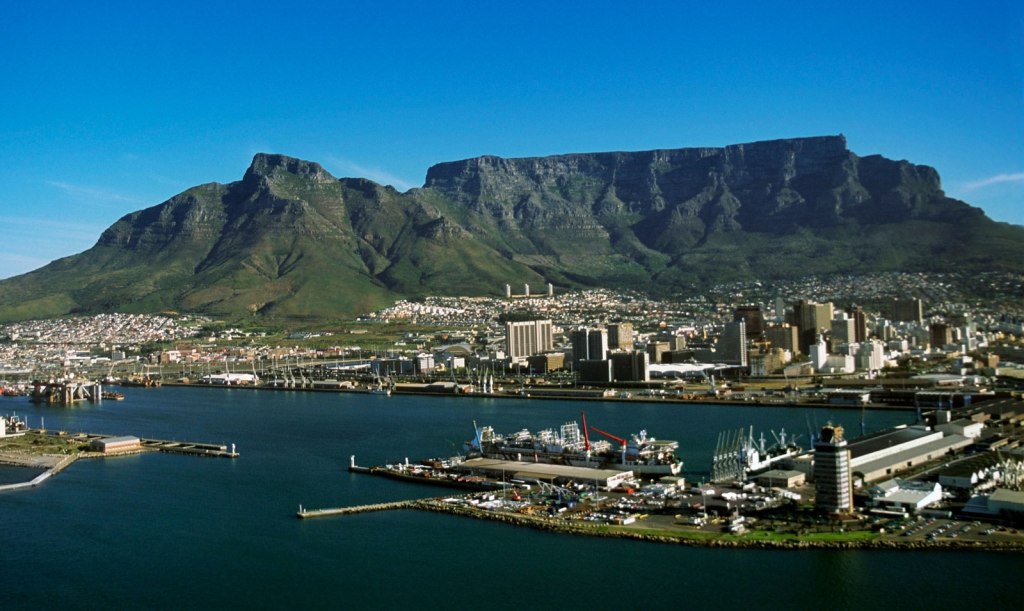
Table Mountain is the iconic backdrop to the Cape Town city skyline, and with this comes many activities for travelers such as cable car rides up the mountain, walking paths, scooter rides, and the world’s highest commercial abseil location (1000 meters above sea level).
9 – Long Street
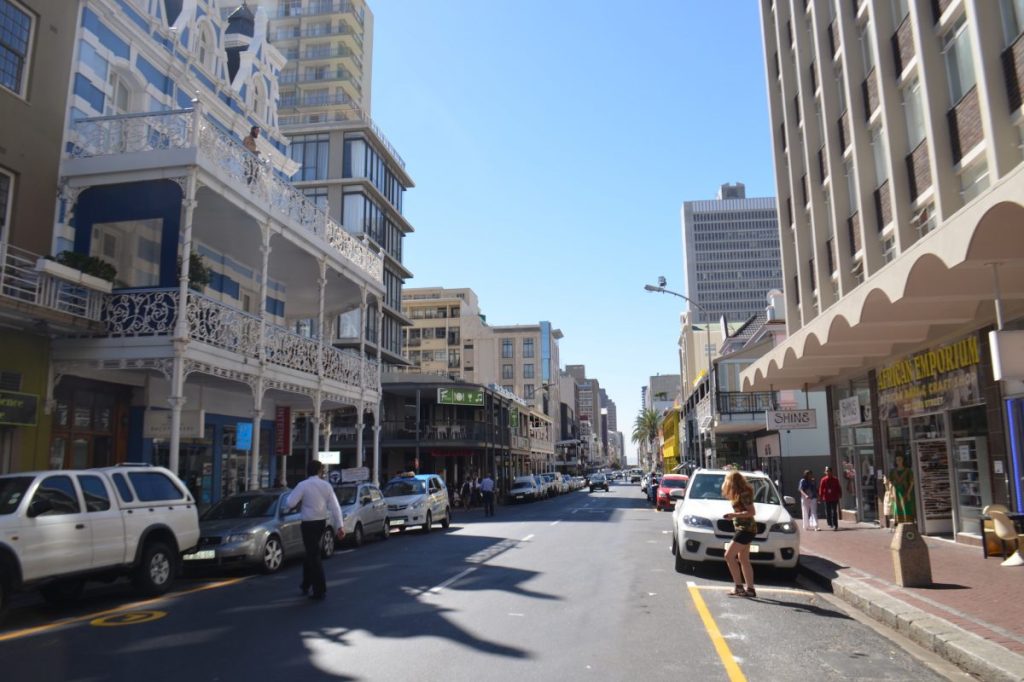
Long street in Cape Town holds Victorian-era building housing some great cafés, craft shops, and interesting boutiques. Filling up your souvenir collection here is as easy as making great memories when you are surrounded by all the traditional African crafts you will find here.
8 – Hot-air Balloon Ride over the Winelands

The Cape Winelands can be seen in an array of different manners, but none are quite as special as soaring over the vineyards in a hot-air balloon at sunrise. Rising early for this experience is truly worth the red eyes.
7 – Steam train ride to the Elgin Market

This experience takes you back to the Victorian-era with the metal archways still intact, then the train ride ends at Elgin where you can enjoy numerous food and drink stalls, and get your hands on unique crafts.
6 – Boulders Beach
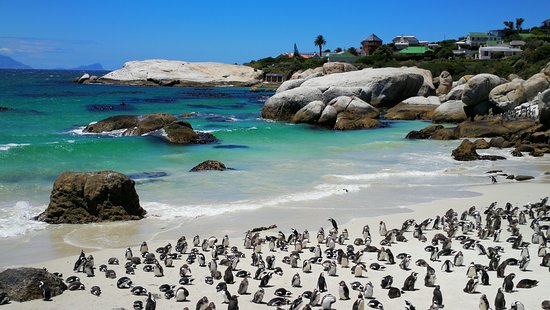
Boulders Beach is one of the few remaining homes for the indigenousness African penguin, in a residential area no less. Here you can enjoy watching them from close by while they go about their lives in the protected area.
5 – Robben Island
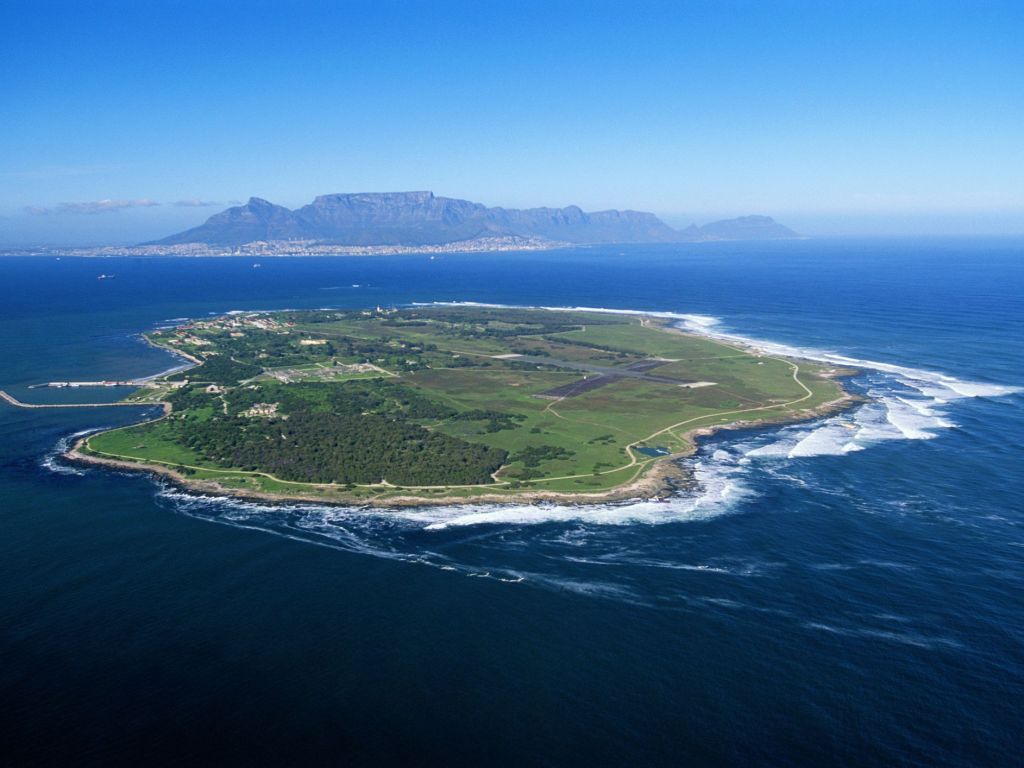
Hop on a yacht to the nearby Robben Island to enjoy the infamous history of the prison that held Nelson Mandela for 18 years of his 27 years of imprisonment.
4 – Woodstock Street Art
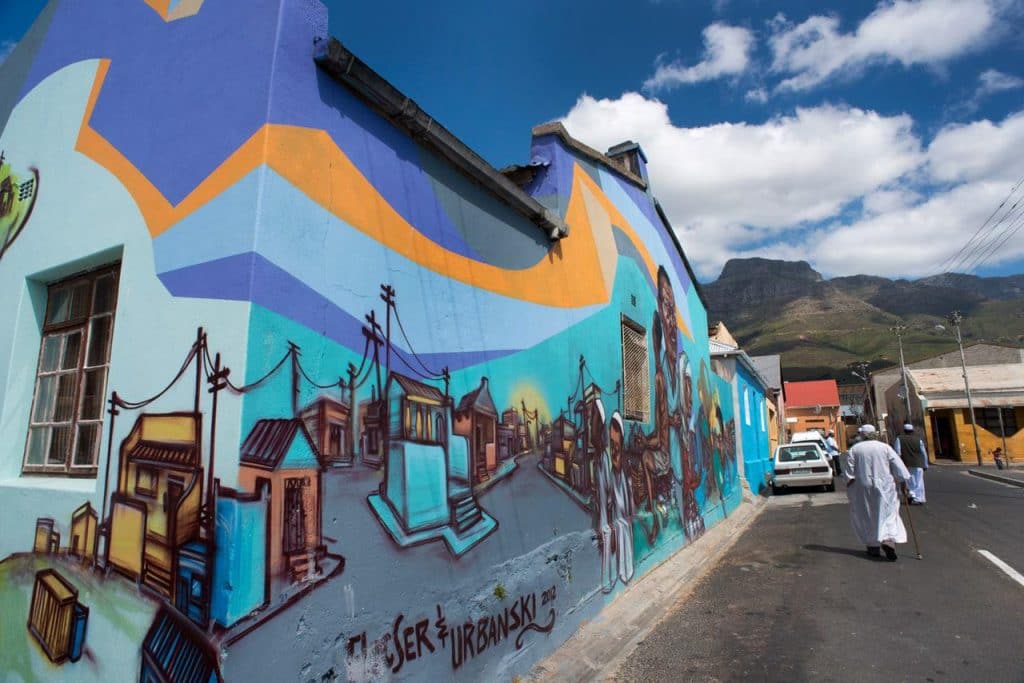
Walking down Woodstock is like walking through an art museum, even though Cape Town has a strict ‘no graffiti’ policy, here is where Cape Town’s people showcase their artistic nature free of charge.
3 – Groot Constantia Picnics

This eight-hour tour has you driving around Cape Town in a vintage roofless Cobra, taking you to South Africa’s oldest winery where you can enjoy a picnic for two, with vegetarian and halaal options available. Then coffee at Constantia Nek and you are back on the tour.
2 – Sanbi-Kristenbosch Gardens
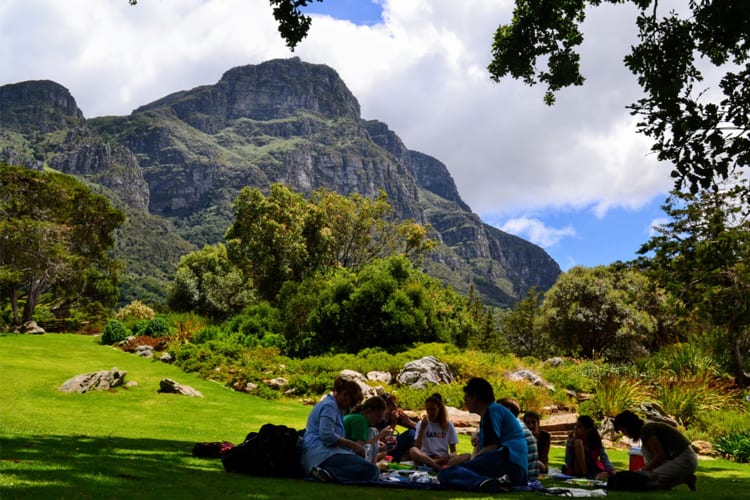
The first UNESCO World Heritage site gives you the opportunity to walk among the beautiful botanical Cape Floral Kingdom, that holds around 9000 plant species, of which 7000 can be found nowhere else but here.
1 – Franschhoek Wine Tram

The Franschhoek Wine tram takes you on a trip through the Franschhoek Valley, which holds 300 years of history, amazing cuisine, picturesque scenes, and of course wines to tickle your taste buds.
Other Noteworthy Tourist Attractions in Cape Town
V&A Waterfront
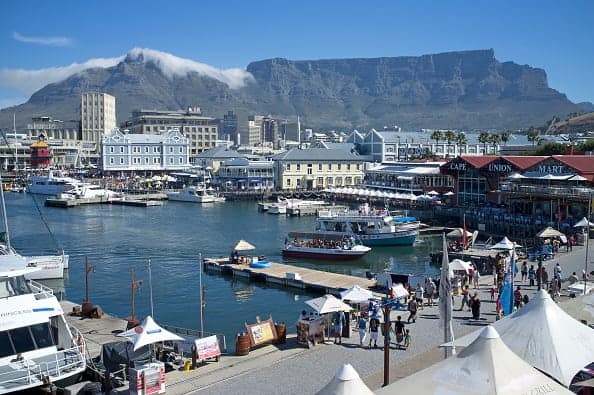
Home to around 80 restaurants, 12 hotels, more than 500 stores and live events every day of the year, it is no wonder that the V&A Waterfront is one of the most visited places in all of South Africa
Blue Flag Beaches
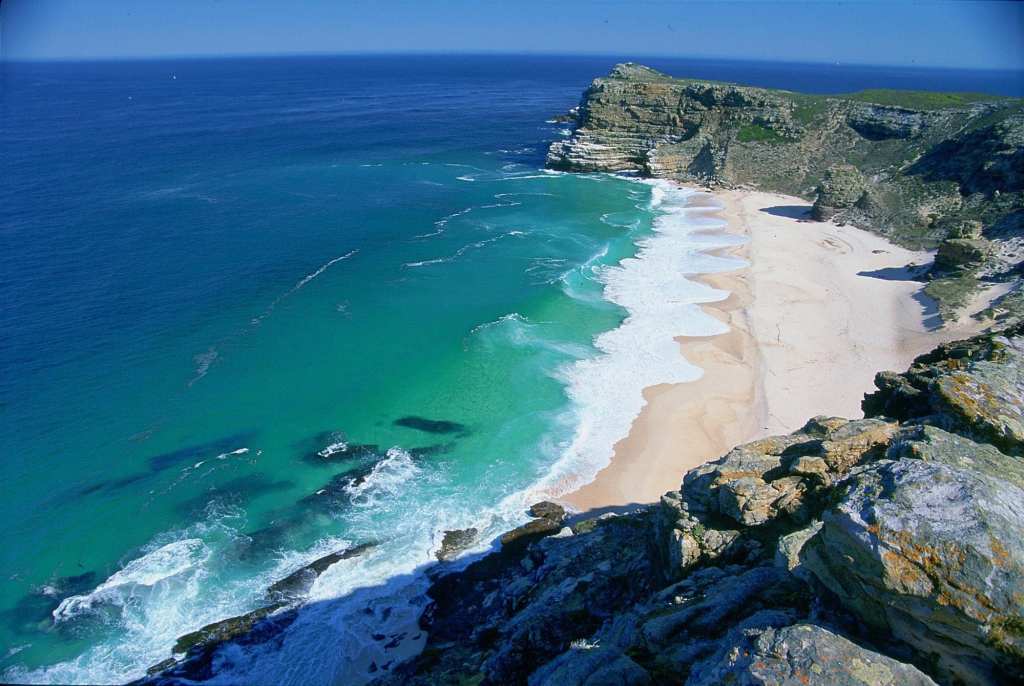
Though Blue Flag beaches are not ‘better’ than other beaches, the international recognition does boast the safety, cleanliness, and more of the beaches holding the title. In South Africa, there are more than 30 Blue Flag beaches for travelers to choose from.
Foodie Experiences

With 600 years of food history, going from traditional dishes to new takes and five-star eateries, the cuisine culture of Cape Town can be explored in any direction of the city, giving a new experience around every corner.
Cape Point
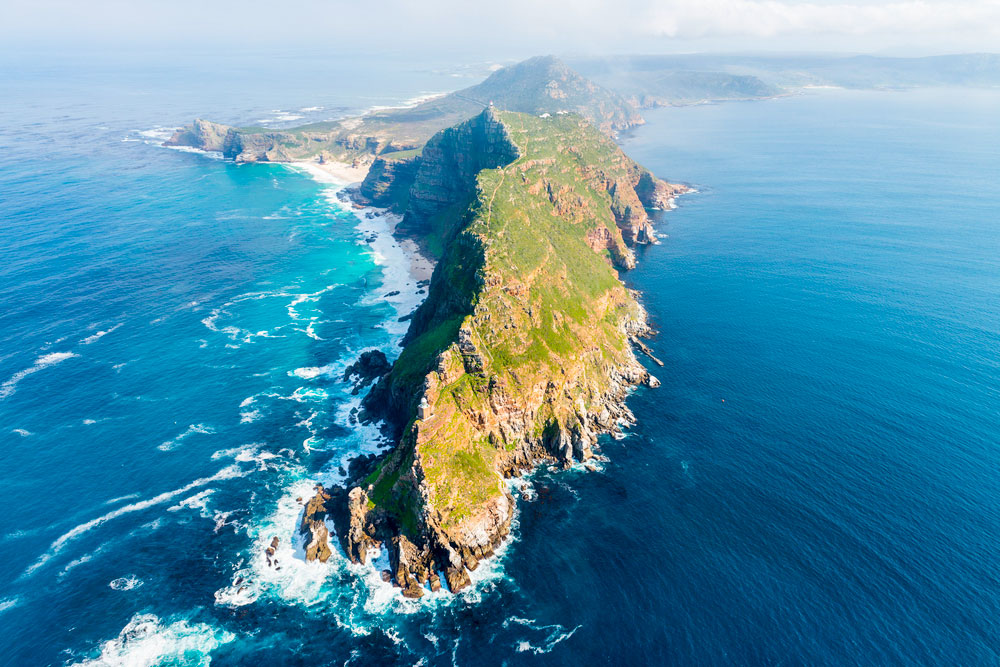
Cape Point is Africa’s southernmost tip, where you can enjoy the view of the Cape Agulhas, where the Atlantic Ocean and the Indian Ocean meet but never mixes.
Cape Point Vineyards Night Market
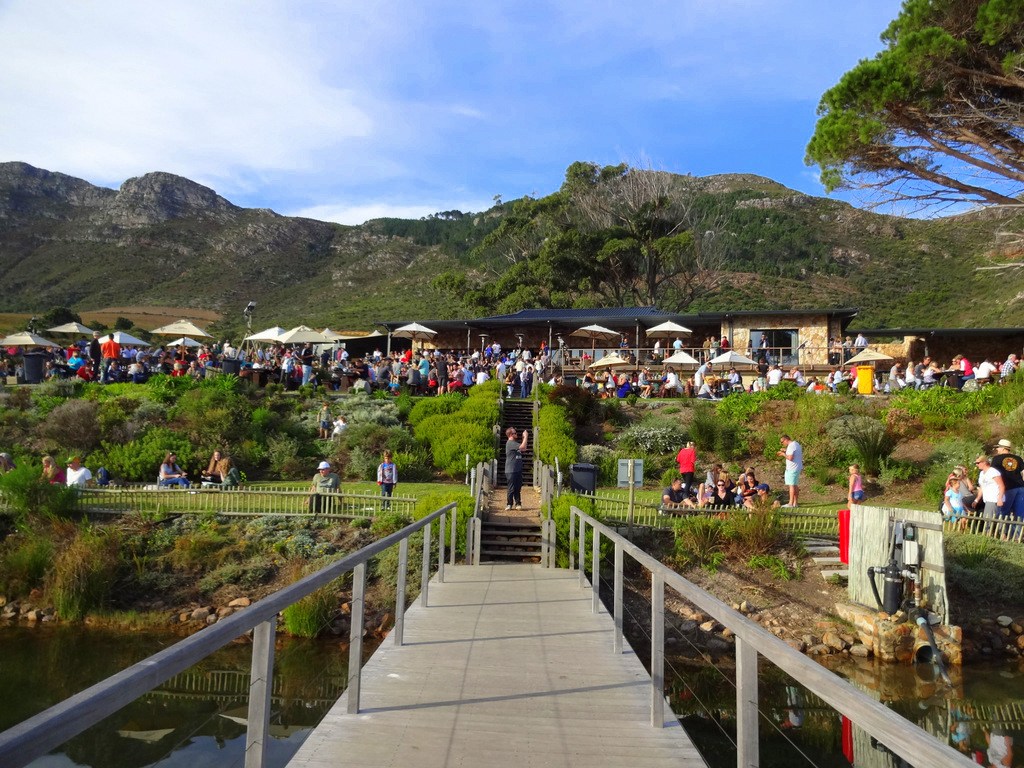
Every Thursday evening you can enjoy street foods and great wines as you enjoy the south peninsula at Cape point.
Join Falcon Safari’s Top Tour to Cape Town (South Africa)
Falcon Safari is one of the leading and most trusted tour operators in Africa. Book your trip to Cape Town (South Africa) today.
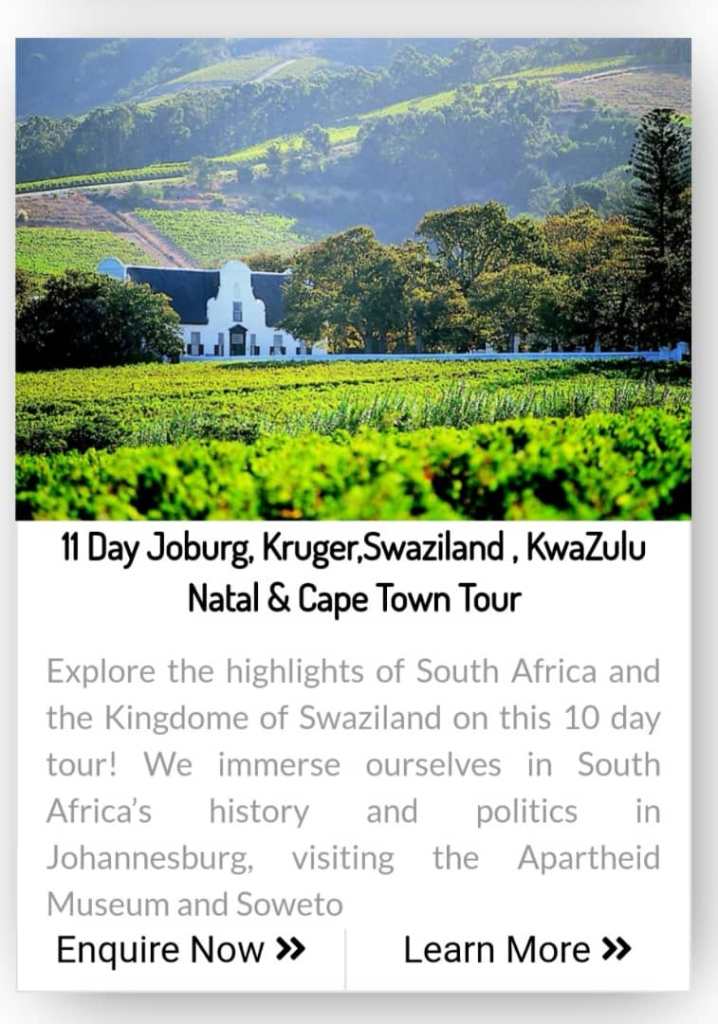
So much can be done in Cape Town and the surrounding area that some might find it overwhelming, but with the help of Falcon Safari, you can find the perfect accommodation and activities for you and your loved ones. So, come and explore the beauty of the southern peninsula!
ENJOYED THIS BLOG?
Let us know in the comments below. We would love to hear from you.
****************




 Falcon Safaris Blog